Meta has released Muse Image, the first image generation model built by Meta Superintelligence Labs (MSL), rolling it out directly inside the Meta AI app, Instagram Stories, and WhatsApp chat
Meta has released Muse Image, the first image generation model built by Meta Superintelligence Labs (MSL), rolling it out directly inside the Meta AI app, Instagram Stories, and WhatsApp chats rather than launching it as a standalone product or developer API.
The rollout, announced on Tuesday, comes roughly three months after MSL shipped Muse Spark, the large language model that succeeded Meta’s open-weight Llama family. Muse Image builds on that earlier model to better understand complex prompts and visual references, reasoning through a request before generating an image so it can plan layouts, blend multiple photos, and pull in real-time web context when needed.
Users can ask Meta AI to build images from scratch, edit existing photos, strip out unwanted elements, or generate infographics with clean, legible text baked into the visual.
A Distribution Play
What sets Muse Image apart isn’t purely technical. Meta shipped the model not as a research preview or a developer API but as a live consumer feature embedded inside Meta AI, WhatsApp, and Instagram, with a Muse Video sibling teased in the same launch window.
That inverts how frontier labs typically ship image models. GPT-Image-2 and Nano Banana Pro reached developers first and consumers later through third-party wrappers, while Muse Image reached close to 3 billion consumer accounts on WhatsApp and Instagram on its first day, ahead of any public API.
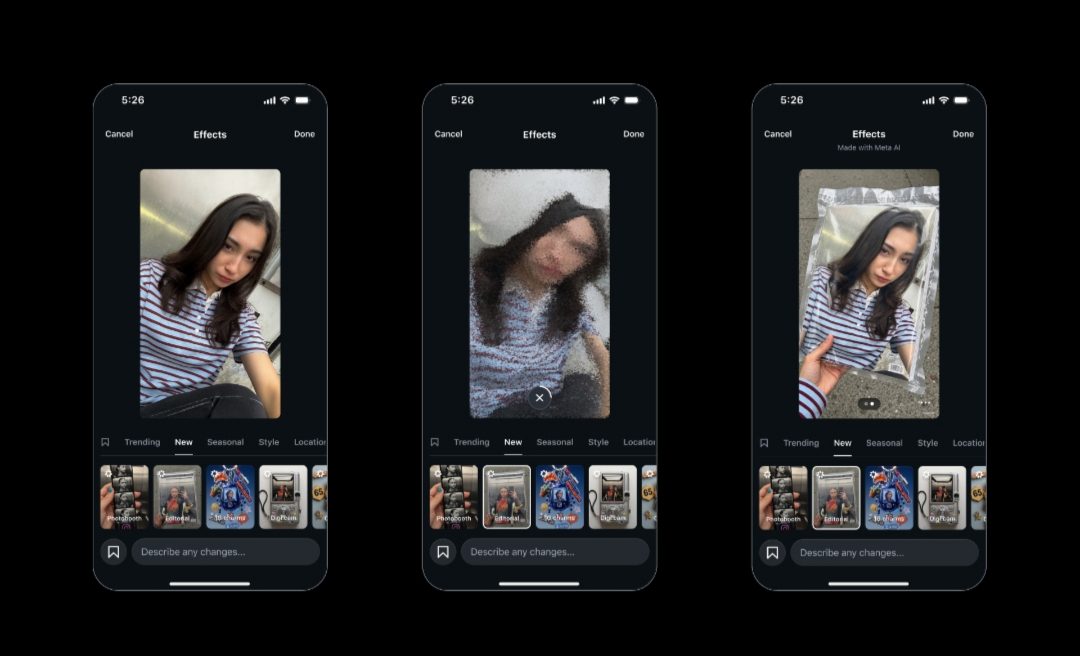
A photo generated with the Meta Muse Image
That distribution advantage is deliberate. Rather than building a separate AI image app, Meta is folding the technology into products already used by more than 3 billion people daily, making AI image creation a native part of its existing ecosystem.
The launch also reflects a competitive scramble. Muse Image arrives as Meta tries to close a gap that opened when Google and OpenAI moved first on consumer-facing image tools. On performance, Meta isn’t claiming outright leadership: the company’s own internal benchmarks show Muse Image trailing OpenAI’s newest GPT Image 2 model, though it beats Google’s Nano Banana 2 on tasks like editing single and multiple images.
Meta had previously leaned on outside vendors to power image and video features. The company had used third-party models from Midjourney and Black Forest Labs inside its Meta AI app and website and now plans to use Muse Image to cut that reliance. The model was developed under Meta Superintelligence Labs, the division led by Alexandr Wang, who also oversaw April’s release of Muse Spark, and was reportedly built under the codename Mango before launch.
What exactly does Muse Imageactually do?
Beyond raw generation, Muse Image is built for iterative, conversational editing. Users can tap a markup tool to circle or annotate an image directly, and because Meta AI retains conversation context, they can keep refining a creation, swapping styles, and adding elements without restarting from a blank prompt. A new presets panel offers one-tap starting points: restoring an old family photo, trying a trending hairstyle, or reimagining a selfie in a claymation or 16-bit video-game style.
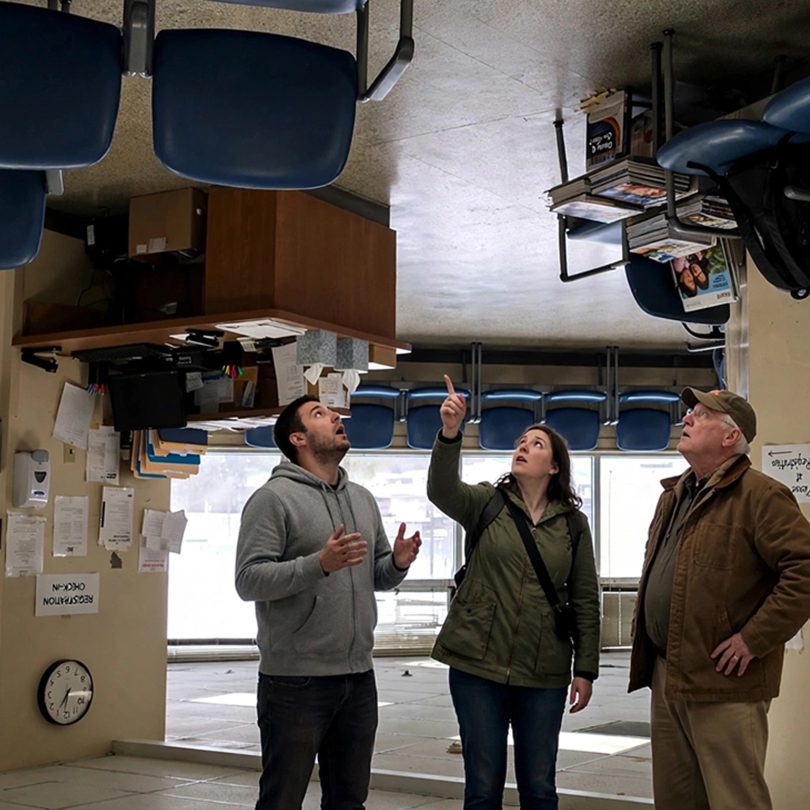
An image generated with the Meta Muse Image
One of the more unusual features lets users @-mention Instagram accounts inside the Meta AI app to pull public photos from a specific profile into a generated image, useful for a custom event invite or a collaborative concept, though it raises obvious questions about consent. Meta says all images made with Muse Image carry an invisible watermark and include safety precautions meant to prevent violations of its terms of service, including child sexual abuse material, and people who don’t want their content reused by the tool can opt out in settings.
Image generation inside a chatbot is one thing; image generation inside an ad platform is another, and that’s where the commercial stakes sharpen. Digital advertising remains Meta’s largest revenue source, and faster, cheaper creative production feeds that engine directly. Meta says Muse Image brings native reasoning to the creative process, letting advertisers adjust elements, swap styles, and generate on-brand variations with fewer iterations, with the first advertiser-facing rollout through Advantage+ creative expected in the coming weeks.
Meta says Muse Image is free for everyday use inside Meta AI, with expanded creation limits folded into its existing subscription plans. The company is positioning the release, alongside the still-unreleased Muse video, as an incremental step toward what it calls personal superintelligence, even as it continues to compete for AI supremacy against labs that, for now, still hold a benchmark edge.
