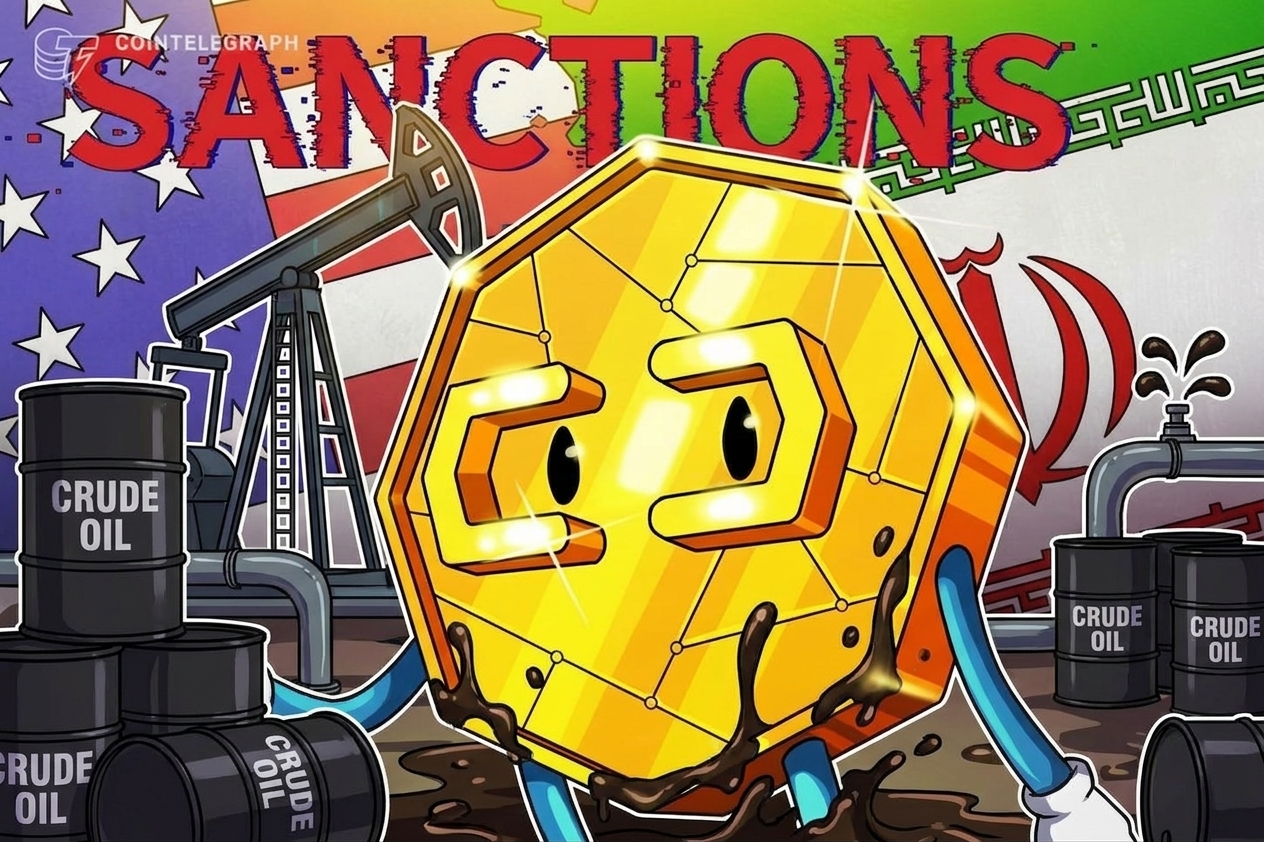
BitcoinWorld Mexican Peso Slips as Iran Sanctions Fuel Risk Aversion, Offsetting Cooling Inflation The Mexican peso weakened against the US dollar on [date], as fresh sanctions on Iran height
BitcoinWorld Mexican Peso Slips as Iran Sanctions Fuel Risk Aversion, Offsetting Cooling Inflation
The Mexican peso weakened against the US dollar on [date], as fresh sanctions on Iran heightened global risk aversion, overshadowing domestic data showing a slowdown in Mexico’s inflation rate.
Market Reaction and Key Drivers
USD/MXN rose to [specific level] during the trading session, reflecting increased demand for safe-haven assets. The move came after the United States announced new sanctions targeting Iran’s oil exports, raising concerns about supply disruptions and geopolitical tensions in the Middle East.
While such sanctions typically boost oil prices, which can benefit Mexico’s oil-exporting economy, the broader risk-off sentiment pressured emerging-market currencies, including the peso. Investors moved toward the US dollar and other safe-haven assets, undermining demand for higher-yielding but riskier currencies.
Mexico’s Inflation Data
Earlier on the same day, Mexico’s national statistics agency (INEGI) reported that annual inflation slowed to [X]% in [month], down from [previous figure]% in the prior month. This was slightly below market expectations of [Y]%, suggesting that price pressures are easing more quickly than anticipated.
The slowdown was largely driven by declines in agricultural and energy prices, offsetting increases in core services costs. Core inflation, which excludes volatile items, remained sticky at [Z]%, indicating that underlying price pressures persist.
Implications for Banxico
The cooling headline inflation gives the Bank of Mexico (Banxico) more room to consider rate cuts later this year. However, Banxico has maintained a cautious stance, emphasizing the need for sustained evidence that inflation is converging to its 3% target before adjusting monetary policy.
Market analysts now see a higher probability of a rate cut at the next policy meeting, though the central bank is likely to remain data-dependent and wary of external risks, including geopolitical tensions and a potentially stronger US dollar.
Why It Matters
For investors and businesses with exposure to Mexico, the interplay between domestic inflation trends and external geopolitical shocks is crucial. A weaker peso can feed into imported inflation, complicating Banxico’s policy path. Conversely, if inflation continues to ease, it could support domestic consumption and economic growth.
The sanctions on Iran also have broader implications for global energy markets and trade flows, which could affect Mexico’s fiscal revenues and external balances. The peso’s performance in the coming days will likely hinge on further developments in the Middle East and upcoming US economic data.
Conclusion
The Mexican peso’s decline underscores the vulnerability of emerging-market currencies to geopolitical shocks, even when domestic fundamentals appear supportive. While cooling inflation is a positive signal for the economy, the immediate market focus remains on the evolving situation with Iran and its impact on global risk sentiment.
FAQs
Q1: Why did the Mexican peso weaken despite cooling inflation?The peso weakened primarily due to risk aversion triggered by new US sanctions on Iran. Geopolitical tensions drive investors toward safe-haven assets like the US dollar, reducing demand for emerging-market currencies, including the peso.
Q2: How does Iran sanctions affect the Mexican economy?The sanctions could raise global oil prices, which might benefit Mexico’s oil exports. However, the broader risk-off sentiment can outweigh this benefit, leading to capital outflows and a weaker peso. Additionally, higher oil prices may increase global inflationary pressures, influencing central bank policies worldwide.
Q3: What does the inflation data mean for Banxico’s interest rate decisions?The slowdown in headline inflation gives Banxico more room to consider cutting interest rates. However, core inflation remains elevated, and the central bank will likely wait for sustained evidence of price stability before making any policy changes, while also monitoring external risks.
This post Mexican Peso Slips as Iran Sanctions Fuel Risk Aversion, Offsetting Cooling Inflation first appeared on BitcoinWorld.