Mexican authorities dismantled a cryptocurrency-mining operation in Tlaola, in the northern highlands of Puebla, over a suspected electricity-theft scheme tied to an illegal connection near a
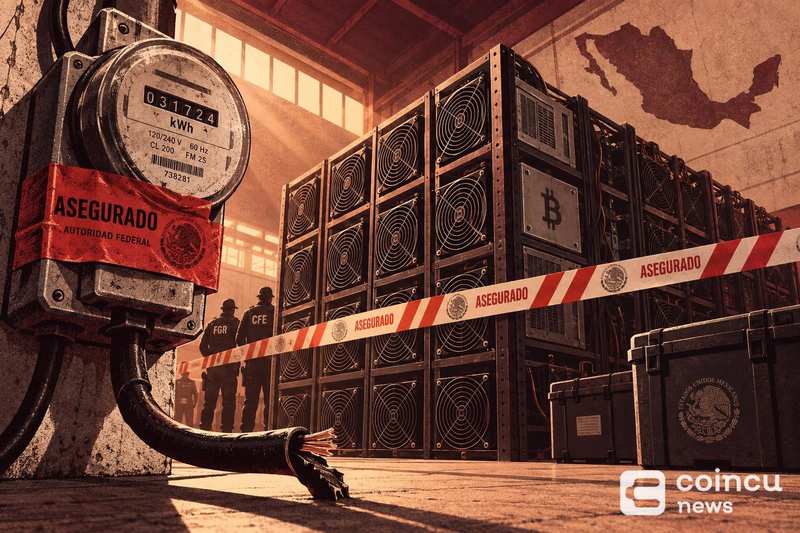
Mexican authorities dismantled a cryptocurrency-mining operation in Tlaola, in the northern highlands of Puebla, over a suspected electricity-theft scheme tied to an illegal connection near a federal hydroelectric complex, marking the latest Mexico crypto mining site seizure in which unauthorized power use, not mining itself, is the alleged offense.
The raid uncovered roughly 300 specialized computing units at the site, with Puebla security chief Francisco Sánchez identifying electricity theft as the crime under investigation, according to reporting by EL PAÍS published September 8, 2026. The account frames the case as an energy-diversion inquiry rather than a prohibition on mining, a distinction that increasingly defines enforcement across emerging-market jurisdictions where cheap or stolen power underwrites mining margins. For related coverage, see House Ways and Means Crypto Tax Review Set for September 16.
Mexican authorities seize a crypto mining site in Puebla
The operation sat in Tlaola, in Puebla's northern highlands, and drew an illegal electricity connection to a dam within a federal hydroelectric complex, with Sánchez referencing proximity to the Nuevo Necaxa dam. Investigators said the Federal Electricity Commission (CFE), the Attorney General's Office (FGR), and the Navy were participating in the inquiry. For related coverage, see Kraken Named Official Crypto Exchange for the 2026 FIFA World Cup.
What the reporting establishes
Reported seized infrastructure included transformers, medium-voltage terminals, specialized computing equipment, and functioning satellite internet antennas, per EL PAÍS. Puebla authorities added that inquiries would expand to neighboring municipalities to search for similar facilities, signaling a wider sweep rather than an isolated bust.
Reported computing units at the Tlaola site
≈300
EL PAÍS reported approximately 300 computers at the Tlaola, Puebla site, describing the seized equipment as specialized computing units (GPUs). The count alone does not establish electricity consumption, mining output or revenue; the mined asset remains unconfirmed.Source: EL PAÍS, September 8, 2026. Suspected electricity theft remains under investigation.
What is known about the suspected electricity theft?
The suspected offense centers on unauthorized electricity use, not the act of mining. EL PAÍS reports that cryptocurrency mining is not prohibited in Mexico; the alleged crime concerns diverting power from a federal hydroelectric asset without authorization, which keeps the case within energy-theft statutes rather than any crypto-specific prohibition.
Suspicion and proof remain distinct
The material describes an active investigation, not an adjudicated finding, and the seizure and inquiry do not establish a conviction. The fetched reporting does not detail the technical mechanics of the alleged theft beyond the illegal connection near the Nuevo Necaxa dam, so the metering, load, or duration of any diverted supply is not documented in the available account.
Some coverage has floated money laundering as a possible line of inquiry and raised questions about criminal affiliation, but, according to unconfirmed reports, cartel ownership was not proven in the available evidence and laundering is described as a potential motive rather than an established outcome. That caution matters for policy watchers tracking how Mexico distinguishes energy crime from broader organized-finance cases, a line also being tested in U.S. matters such as the recent billion-dollar crypto crime indictment.
Key details of the seizure remain unconfirmed
The available reporting does not establish a precise seizure date, an arrest count, suspects' identities, equipment model lists, a measured electricity draw, or a site-specific financial loss. Any national CFE loss figures cited elsewhere are not a valuation of this specific site and should not be read as such.
Location, equipment, and legal status
Location and investigating agencies are named in the source, but the operation's scale, output, and legal disposition are not, and the absence of those details in the fetched reporting is not evidence that authorities have withheld them. No charges, convictions, or permanent closure are documented, so inferring the enterprise's revenue or its role in any wider network would outrun the record.
For readers weighing the sector's regulatory trajectory, the gap between an equipment count and a proven loss is the crux: roughly 300 units establish physical presence, not consumption, absent power-draw and operating-duration data. That same evidentiary discipline shapes how legislators approach the industry, from Mexico's energy-theft framing to the U.S. House Ways and Means crypto tax review scheduled for September 16.
Was the seized site mining Bitcoin?
The mined cryptocurrency cannot be established from the available reporting, which identifies cryptocurrency mining but names no specific asset, algorithm, or mined token. Bitcoin traded near $77,436 as of September 12, 2026, down about 1.5% over 24 hours, but that background snapshot does not confirm what the Tlaola site produced or imply any market response to the raid.
The broader term crypto mining is the accurate descriptor here; no hash rate, ASIC or GPU model, or network impact can be attributed to the operation without further disclosure. Institutional custody and infrastructure players tracking Latin American mining, alongside developments like UniCredit's exploration of crypto custody, will watch whether Mexican filings later specify the asset and the alleged loss.
FAQ: Mexico crypto mining site seizure
Why did Mexican authorities seize the crypto mining site?
The reporting links the seizure to suspected electricity theft via an illegal connection near a federal hydroelectric complex; the CFE, FGR, and Navy are participating in the investigation.
Were any arrests reported?
The available reporting does not confirm any arrests, suspect identities, or charges tied to the Tlaola operation.
Does this seizure establish a ban on crypto mining in Mexico?
No. EL PAÍS reports that mining is not prohibited in Mexico; this is one seizure tied to suspected unauthorized electricity use and provides no basis for a broader legal conclusion.
The next concrete triggers to watch are whether Puebla's promised expansion into neighboring municipalities yields additional sites, and whether the FGR files formal charges specifying the mined asset, the diverted load, and any laundering nexus, the disclosures that would convert the current allegation into an evidentiary case.
Disclaimer: This article is for informational purposes only and does not constitute financial or investment advice. Cryptocurrency and digital asset markets carry significant risk. Always do your own research before making decisions.
The post Mexico Seizes Crypto Mining Site Over Suspected Power Theft was initially published on Coincu.