The rally extended into Asian trading on Friday morning, led by a dramatic rebound in South Korean chip stocks. Crypto markets moved higher in sympathy. The dual catalysts were Microsoft’s bl
The rally extended into Asian trading on Friday morning, led by a dramatic rebound in South Korean chip stocks. Crypto markets moved higher in sympathy. The dual catalysts were Microsoft’s blockbuster earnings that reassured investors about AI investment returns, and a softer-than-expected Personal Consumption Expenditures (PCE) inflation report that eased near-term rate-hike fears.
The Microsoft Catalyst: AI Spending Finally Shows Returns
Microsoft delivered the clearest signal yet that heavy AI capital expenditure is translating into real revenue. Azure cloud growth hit 43% (constant currency), the fastest pace in years, while overall results and guidance beat expectations. Critically, management did not significantly raise its future spending outlook and emphasized continued free-cash-flow generation into fiscal 2027.
Shares surged roughly 15–16%, the biggest one-day percentage gain since 2008, adding a record ~$450 billion in market value. This single stock accounted for a large portion of the Nasdaq’s advance and helped lift the broader semiconductor complex after a multi-day sell-off driven by AI-capex anxiety.
The Philadelphia Semiconductor Index jumped more than 8%, with memory names such as Micron and SanDisk posting double-digit gains. Amazon later rose sharply in after-hours trading on strong AWS results, reinforcing the “AI is paying off” narrative, while Meta lagged after highlighting higher costs and weaker free cash flow.
Soft PCE Provides Macro Support
Released at 8:30 a.m. ET on Thursday, the June PCE data, the Federal Reserve’s preferred inflation gauge, came in cooler than feared:
- Headline PCE: –0.1% month-over-month (first decline since 2020) and +3.7% year-over-year (down from 4.1% in May).
- Core PCE (ex-food and energy): +0.1% month-over-month and +3.3% year-over-year.
The softer readings, combined with weaker-than-expected Q2 GDP growth of 1.5% annualized, reduced the probability of an aggressive near-term rate hike. Traders trimmed September hike odds after the Federal Reserve had held rates steady at 3.50%–3.75% the previous day in a divided 9–3 vote.
Longer-term Treasury yields remained elevated (the 30-year near 19-year highs above 5.2%), reflecting lingering concerns that inflation could stay sticky. Still, the combination of soft inflation data and Microsoft’s cash-flow reassurance created a constructive environment for risk assets.
Crypto Joins the Risk-On Move
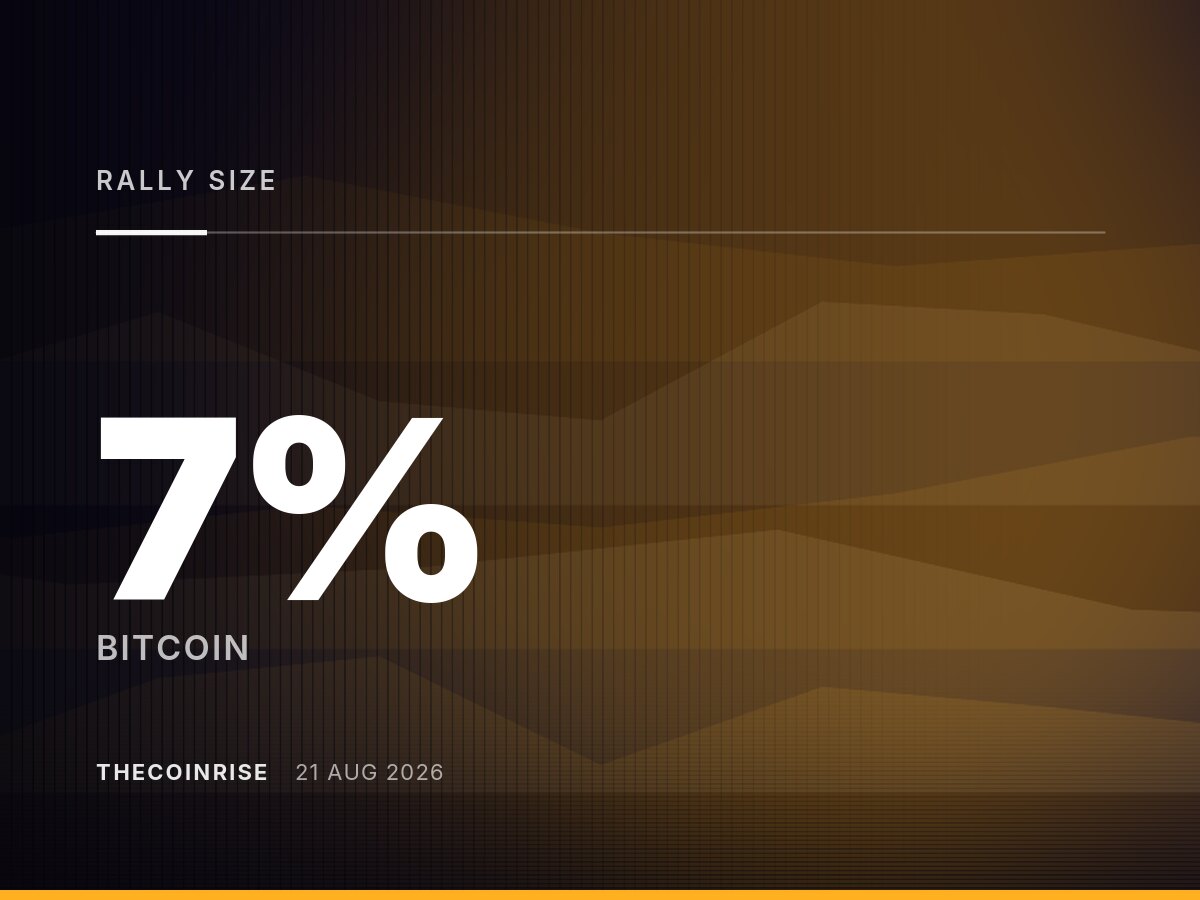
Bitcoin and major cryptocurrencies staged a recovery alongside equities, reversing the previous day’s Fed-related weakness. BTC reclaimed levels above $64,000–$65,000 at points, with the broader crypto market capitalization rising modestly. Short liquidations and rising open interest accompanied the bounce.
Crypto has shown relative resilience during the recent AI/tech volatility compared with pure semiconductor names, but it remains tightly correlated with broader risk sentiment. Sentiment indicators stayed in “Fear” territory, suggesting the move was more of a relief rally than a decisive trend change.
Asian Markets Amplify the Rebound
The positive U.S. close carried strongly into Asia on Friday. South Korea’s Kospi surged as much as 14% at the open, a record intraday move, as SK Hynix and Samsung Electronics soared more than 20–25%, reversing a brutal multi-day rout. Japan’s Nikkei rose around 5%. The AI-infrastructure trade that had been under pressure earlier in the week found renewed buying interest.
Analysis and Outlook
Thursday’s action highlighted two key shifts:
- Investors are demanding proof of AI returns, not just spending plans. Microsoft provided that proof more convincingly than several peers, triggering a classic short-covering and dip-buying rally in crowded AI-related names.
- Inflation is cooling at the margin, giving the Fed more room to remain patient even as longer-term yields stay high due to fiscal and geopolitical concerns (including Middle East tensions).
Risks remain material. Core inflation is still well above the Fed’s 2% target. Geopolitical flare-ups could quickly reverse the soft energy-price contribution to PCE. Elevated long-end yields continue to pressure valuations of long-duration growth stocks. And the market remains highly sensitive to the next round of Big Tech commentary on capital intensity.
Near term, the path of least resistance appears higher while the Microsoft/Amazon narrative holds and no fresh inflation or geopolitical shock emerges. However, this remains a market driven by a narrow set of AI leaders rather than broad-based economic strength. Sustained gains will require further evidence that AI spending is generating durable free cash flow across the sector, and that inflation continues its gradual descent.
In short, Thursday delivered a classic risk-on recovery: strong corporate fundamentals met modestly better macro data. Whether it marks the end of the recent AI-related correction or merely a pause will depend on the next few weeks of earnings, inflation readings, and geopolitical developments.
Disclaimer:
This report is for informational and educational purposes only. It is not financial advice, nor a recommendation to buy, sell, or hold any cryptocurrency. Cryptocurrency markets are highly volatile and involve significant risk of loss. Always conduct your own research and consult with a qualified financial advisor before making any investment decisions. Not available in restricted jurisdictions, including the US, Canada, the UK, the EEA, China, and sanctioned countries. Not financial advice or an offer or solicitation of securities.