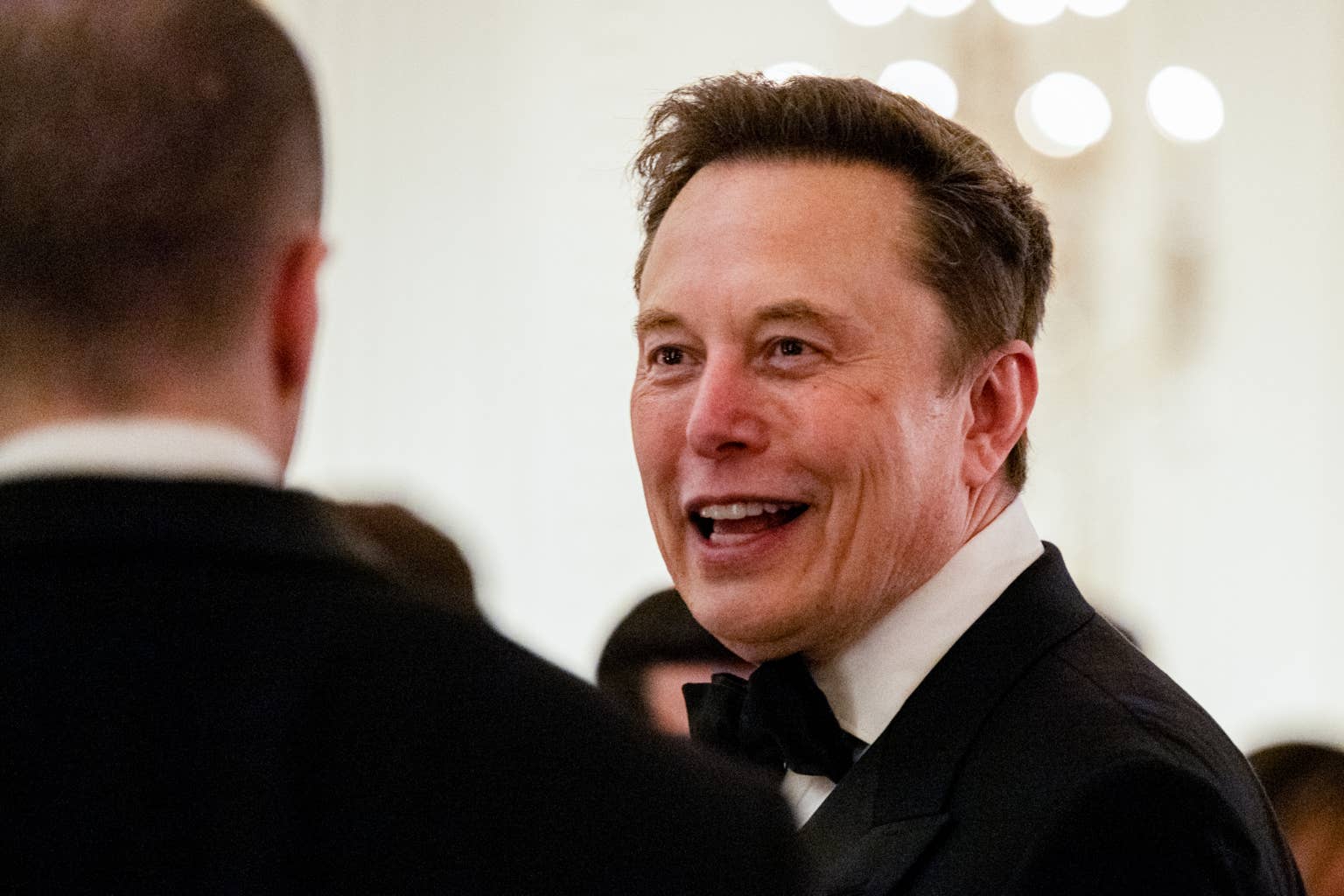
Elon Musk and Michael Saylor have different visions of what the future holds. Musk imagines one where robots make everything abundant, while Saylor argues that people still want what's rare.
Elon Musk and Michael Saylor have different visions of what the future holds. Musk imagines one where robots make everything abundant, while Saylor argues that people still want what's rare.
In an interview with China Media Group released last week, Elon Musk said he expects "effectively universal high income" and added that it is not clear to him money will even matter in the future.
He described an age of abundance in which humanoid robots produce more goods and services than people could use.
“I think it’s going to get pretty wild, like where if you want a castle, robots will build you a castle,” he said during the interview.
Musk repeated the idea at the White House Tuesday. He told reporters that the most likely outcome of AI is a future where everyone has a high income, not just a basic one.
“Robots and superintelligence will create an age of abundance, with universal high income and better medical care for everyone. I think by far the most likely outcome is an age of abundance where we don’t have just a universal basic income, we have universal high income,” Musk said standing next to Donald Trump.
Related: Elon Musk warns 'if the ship of America sinks, we all sink with it'
The comments follow a July interview with The Economist, in which Musk said money would not matter by 2036.
Saylor's view: People always want more
Strategy co-founder Michael Saylor pushed back on this idea a month later. On the Diary of a CEO podcast, host Steven Bartlett asked whether he agreed with Musk’s AI prediction.
“Everybody doesn’t get a Hampton’s house. Everybody doesn’t get their own private jet. They don’t get their own private yacht,” Saylor said.
Saylor said AI could make basic needs much cheaper, or even free. But he argued that would not end money's value. Instead, people would spend on rarer things that signal wealth and status.
He gave simple examples. If everyone gets a house, someone will want one twice as big. Everyone may get a car, but few will get a Porsche.
“Everybody’s always going to have a reason to want something more because we’re status-oriented animals. That’s the cynical way to look at it,” Saylor said.
Trending on TheStreet Roundtable:
Where Bitcoin fits in
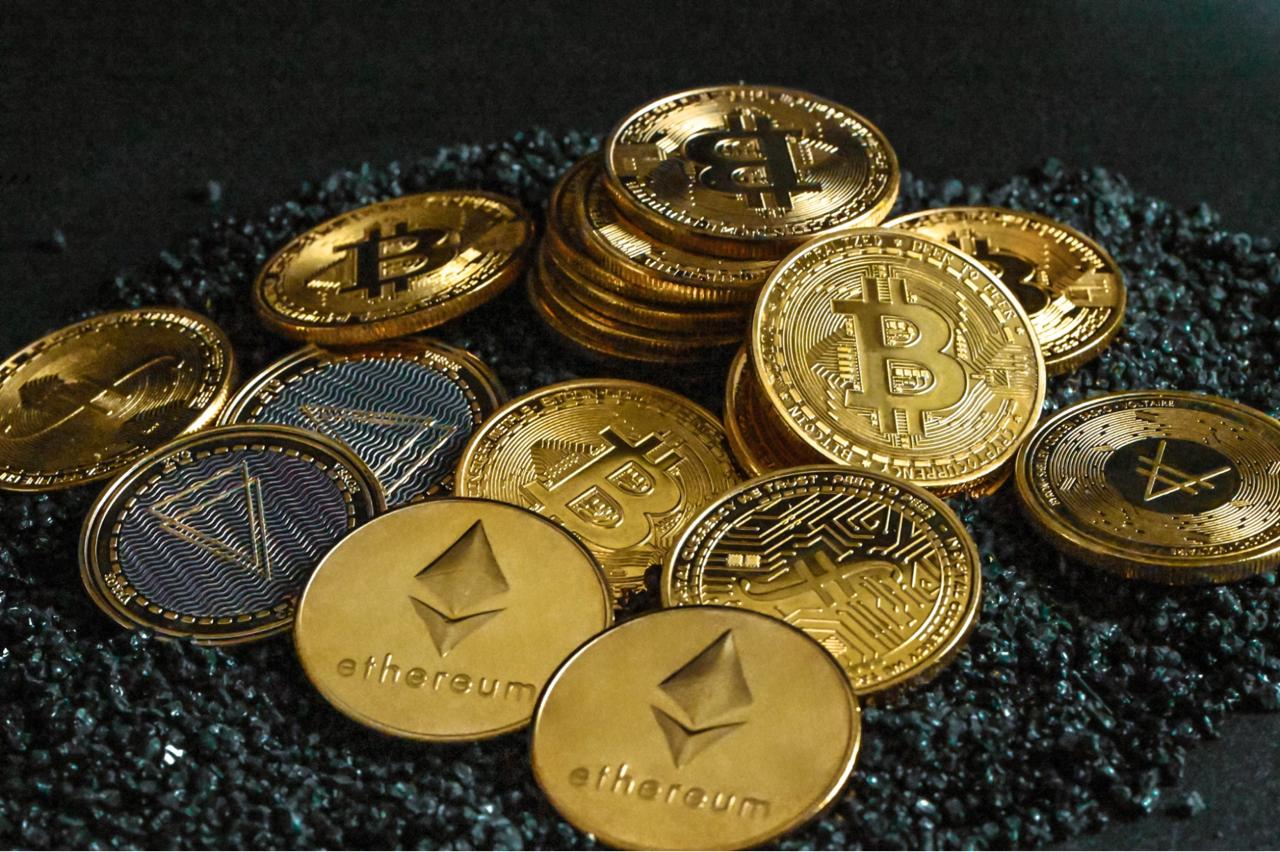
Saylor's scarcity argument is also the main case for Bitcoin, which has a fixed supply of 21 million coins.
His company has mostly kept buying despite a difficult year.Strategy sold 3,588 Bitcoin in July to fund payments to its investors.
It returned to buying in September and now holds 847,666 Bitcoin, worth roughly $71 billion at recent prices.
Not everyone agrees with Musk
Others have also questioned Musk's timeline. Venture capitalist Vinod Khosla added a catch, saying money would stop mattering by 2036 only if governments allow that level of abundance.
For now, the two billionaires are heading in different directions. Musk is building the AI and robots he believes will make money obsolete. Saylor's company keeps adding to the asset he believes will always be scarce.
Related: If you invested $1,000 in gold & Bitcoin 10 years ago, here's how much money you'd have today