Eastern Europe has quietly become one of the most active crypto regions in the world, and Ukraine sits right at the center of that story. Between a mobile-first population, a resilient P2P tr
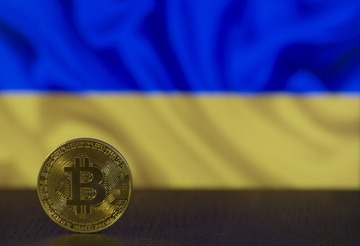
Eastern Europe has quietly become one of the most active crypto regions in the world, and Ukraine sits right at the center of that story. Between a mobile-first population, a resilient P2P trading culture, and a growing appetite for fiat-to-crypto gateways, the region offers a useful case study for anyone trying to understand where crypto adoption is heading in the second half of 2026.
Why Eastern European crypto adoption keeps climbing
Several factors are pushing Eastern European crypto adoption forward this year. Currency volatility across the region has made stablecoins and Bitcoin attractive as a store of value, not just a trading instrument. At the same time, remittances and cross-border payments continue to favor crypto rails over slower banking corridors, especially for freelancers and small businesses working with international clients.
Ukraine in particular has built a strong culture around P2P crypto trading. Local users have long relied on peer-to-peer platforms to move between hryvnia and digital assets, a habit that predates most institutional infrastructure in the region. That grassroots activity has made local platforms like https://minfin.com.ua/ a go-to reference point for tracking exchange rates, market data, and financial news relevant to everyday users navigating both traditional and digital finance.
Bitcoin liquidity and regional price tracking
Bitcoin market liquidity remains the anchor metric for traders across the region. As global volume shifts between major exchanges, regional platforms play an important role in translating that liquidity into local currency terms. Tracking bitcoin prices against the hryvnia, rather than only against the dollar or euro, gives traders a clearer read on how local demand and currency pressure interact.
This is where localized data resources add real value. A regional hub that tracks bitcoin pricing alongside currency and inflation data helps users spot patterns that a purely global dashboard might miss, particularly around local trading hours and domestic news events that move sentiment faster than international headlines do.
Fiat-to-crypto gateways: the practical layer
Adoption numbers only tell part of the story. What actually determines whether someone becomes an active crypto user is how easily they can move between fiat and digital assets. This is where fiat-to-crypto gateways matter most, and it's an area where Eastern Europe has developed a surprisingly mature landscape.
Rather than relying on a single provider, most active traders in the region compare rates across several platforms before converting funds, treating exchange access almost like a crypto exchange aggregator approach even without a dedicated aggregator tool. For users looking for a structured overview of the options available locally, Ukrainian crypto exchange services on Minfin.com.ua offer a practical starting point, listing multiple providers side by side so users can compare rates and liquidity conditions before committing funds.
What this means for the rest of 2026
The takeaway for traders and Web3 builders watching this region is straightforward: Eastern Europe isn't just a growing user base, it's a functioning ecosystem with its own liquidity dynamics, trading habits, and infrastructure preferences. As global platforms look to expand deeper into the region, understanding local fiat gateways and P2P behavior will matter as much as raw adoption numbers.
For now, the combination of strong grassroots P2P activity, growing institutional interest in bitcoin as a hedge, and an increasingly competitive fiat-to-crypto gateway landscape suggests this trend has room to run well beyond summer 2026.