NEAR Protocol House of Stake Approves Cut to Maximum Annual NEAR Issuance to 1.6%
Voters in House of Stake, the onchain governance body of @NEARProtocol, approved a proposal to lower the maximum yearly issuance of $NEAR from 2.5% to 1.6%. The reduction will phase in step b
A
AnonymousCryptoCompass newsroom
November 3, 2026
2 min read
NEWS
CryptoCompass editorial visual for defi coverage.
Voters in House of Stake, the onchain governance body of @NEARProtocol, approved a proposal to lower the maximum yearly issuance of $NEAR from 2.5% to 1.6%. The reduction will phase in step by step over 24 months, starting after a grace period of about 90 days.
The decision is a governance approval, not an immediate change to the network. The proposal still needs a review by the House of Stake Security Council and a protocol upgrade adopted by validators before it takes effect.
What the Proposal Changes
The measure is known as HSP-029. It calls for a 90-day grace period after ratification, followed by a gradual reduction over 24 months.The current allocation of new tokens would stay the same: 90% to staking participants and 10% to the protocol treasury.
The proposal estimates about 11.8 million fewer NEAR would be minted over two years. That figure is measured against a constant 2.5% regime, and it is a projection from the proposal rather than a realized outcome.Over six years, the proposal estimates a reduction of about 66.1 million tokens, equivalent to a 4.36% reduction in supply compared with the current level.
Gross staking yield would ease from about 5.3% to 3.4% once the new rate is reached. Using the network's Sept. 22 staking ratio, the proposal models yield falling from 5.268% to 3.372%, and the actual figure at the end of the ramp will depend on conditions at the time.
Trade-Offs for Stakers and Validators
A lower issuance ceiling would reduce dilution for holders who do not stake, while leaving fewer newly issued tokens for staking rewards.The move from 2.5% to 1.6% is a 36% reduction of the starting cap, according to CryptoSlate.
Validator adoption is a separate step. Polkachu has indicated it would adopt the corresponding upgrade.The proposal follows an earlier issuance debate on a reduction from 5% to 2.5% in June 2025.
Holders who stake $NEAR should check how their chosen validator plans to handle the upgrade, since the reduced issuance would only apply once validators move to the new protocol version.
Last updated: November 3, 2026 Crypto tax residency can determine which country may tax your income, including digital-asset income and gains. A move abroad, a long visit or activity across s
RPC Nodes and Their Role in Blockchain Communication When a crypto wallet shows a balance or a swap page confirms a trade, the answer doesn’t come from the app itself. It comes from the block
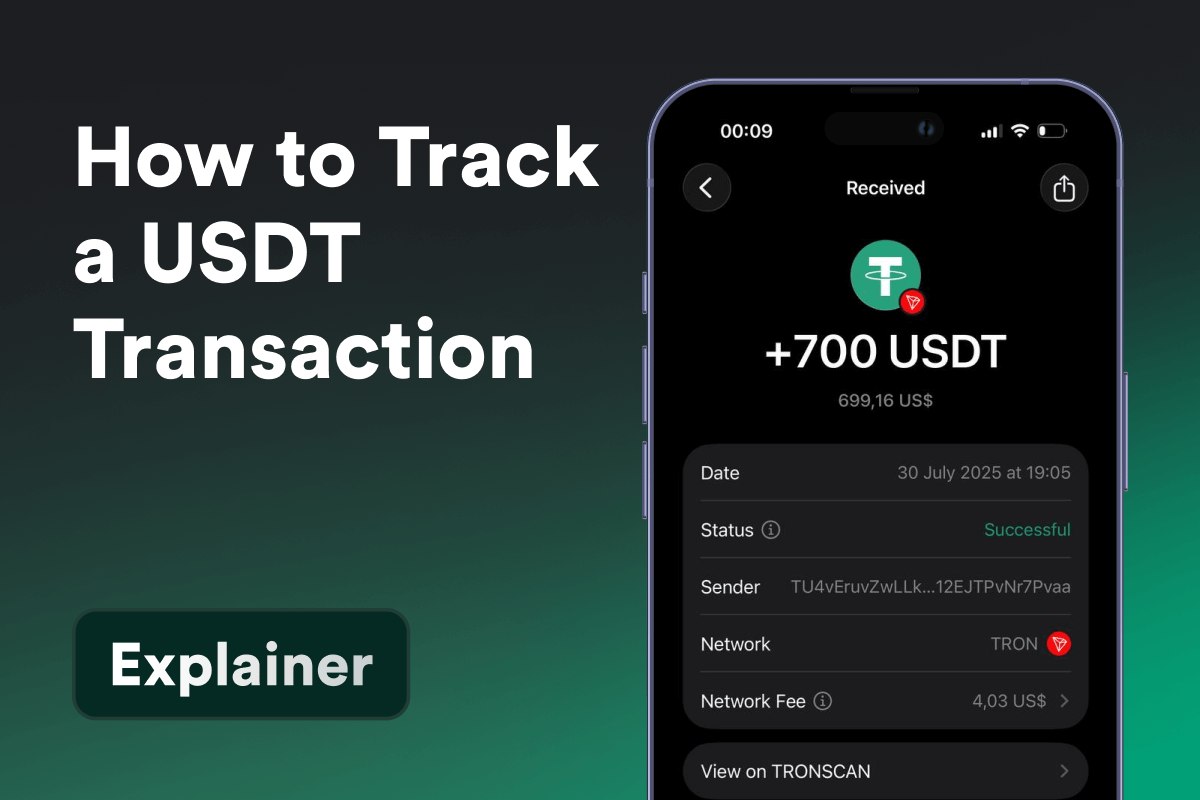
You sent USDT, the other side says "nothing here", and your heart rate goes up. Good news first: with about 179 billion USDT in circulation (as of November 3, 2026) on Ethereum, TRON, BNB Cha