Hollywood director Carl Rinsch, best known for the 2013 film "47 Ronin," has been sentenced to 30 months in federal prison after a Manhattan court found he diverted $11 million in Netflix pro
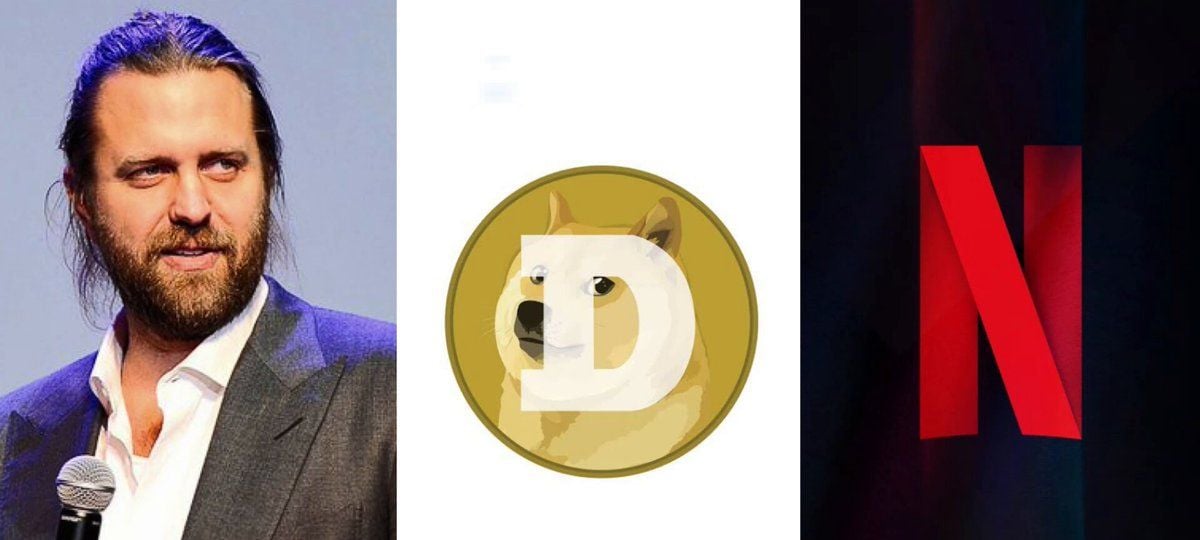
Hollywood director Carl Rinsch, best known for the 2013 film "47 Ronin," has been sentenced to 30 months in federal prison after a Manhattan court found he diverted $11 million in Netflix production funds into $DOGE trades, speculative stock bets, and personal luxury purchases.
From Production Budget to Personal Bets
In 2018, Netflix commissioned Rinsch to produce a science-fiction series originally titled "White Horse," later renamed "Conquest." Over 2018 and 2019, the streaming company invested $44 million in his production company to support the project.Between late 2019 and early 2020, Rinsch sought an additional $11 million, claiming the funds were needed to finish production. The streaming company approved the request and transferred the money to a company under his control on March 6, 2020. Within days, prosecutors say the money began moving through multiple bank accounts before landing in a personal brokerage account.
Rinsch moved the funds to personal brokerage accounts and lost most of it betting on COVID-related market trades. He was eventually left with $4 million and decided to spend it all on Dogecoin. The move paid off, and he managed to make $27 million from the investment. Despite that windfall, federal prosecutors maintained that the cryptocurrency windfall was irrelevant to the underlying criminal conduct. The money had been secured through fraudulent representations and deployed for unauthorized purposes.
The trading profits were spent on luxury goods including five Rolls-Royces, a Ferrari, antique furniture, mattresses, bedding, watches, clothing, and stays at Four Seasons hotels and other rental properties.
Sentence and Court Reaction
Rinsch, known for directing the 2013 film "47 Ronin," was convicted in December 2025 after a one-week trial.He was convicted of one count of wire fraud, one count of money laundering, and five counts of engaging in monetary transactions in property derived from unlawful activity. Wire fraud and money laundering each carried a maximum sentence of 20 years in prison, while the five other counts each carried a maximum of 10 years.
According to the U.S. Attorney's Office for the Southern District of New York, Rinsch was sentenced to three years of supervised release, $11 million in forfeiture, and $700 in mandatory special assessments.Judge Jed Rakoff settled on 30 months, half what prosecutors wanted, after hearing testimony about Rinsch's mental health.Keanu Reeves, who starred in Rinsch's only major feature film, submitted a letter to the court urging leniency.
U.S. Attorney Jay Clayton said: "Carl Erik Rinsch promised to make a television show. Instead, he used $11 million meant for production as his personal casino and luxury fund." The judge reportedly added his own note on crypto, joking that he did not recommend Rinsch keep investing in cryptocurrency, calling it "just a market for gambling."
Sources:Carl Rinsch sentenced over Netflix funds used on Dogecoin (Crypto.news)Netflix director sentenced for blowing sci-fi series funds on Dogecoin (Protos)Carl Rinsch (Wikipedia)