Legislative work in the US Senate regarding the cryptocurrency sector is at a critical juncture. Speaking at the Rare Evo Conference in Las Vegas, veteran journalist Eleanor Terrett discussed
Legislative work in the US Senate regarding the cryptocurrency sector is at a critical juncture.
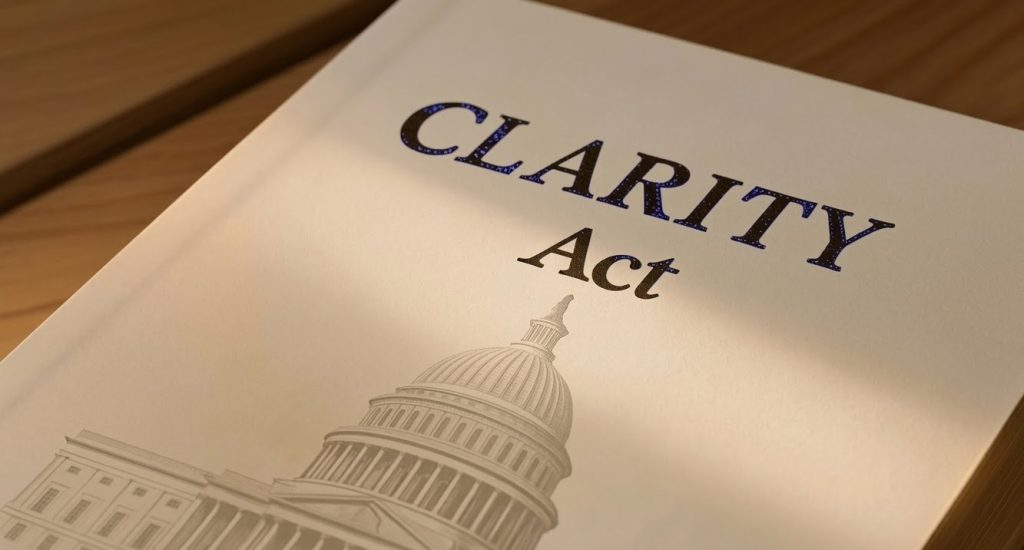
Speaking at the Rare Evo Conference in Las Vegas, veteran journalist Eleanor Terrett discussed the latest developments regarding the highly anticipated “CLARITY Act” and the likelihood of its passage this year.

The US Senate is working intensely before the August recess, but the fate of the CLARITY Act hangs on procedural hurdles and intra-party vote calculations. The bill needs 60 votes to pass the cloture vote and be considered in the Senate plenary session.
Because Republicans hold 53 seats in the Senate, the bill needs the support of at least seven Democratic senators to pass. Terrett noted that Senate Leader John Thune’s call for a vote could force the parties to compromise, and that policymakers might even postpone the August recess to finalize the bill.
One of the biggest obstacles to the bill’s progress lies in ethical regulations. Democratic senators argue that the prepared ethics text is insufficient to prevent former President Donald Trump from profiting from his own crypto projects (platforms like memecoin TRUMP and World Liberty Financial).
Related News: Coldcard Issues New Statement Regarding the Major Bitcoin Hack
Democrats are calling for state attorneys general to be authorized to sue the Department of Justice (DOJ) for potential ethics violations. Republicans and the White House oppose the proposal, arguing that this authority would lead to politically motivated lawsuits at the state level.
The draft text includes a provision, valid until 2029, that prevents government officials and members of Congress from issuing digital assets while in office.
Another important point of contention in the Senate is the BRCA (Blockchain Regulatory Certainty Act) provisions, drafted by Representative Tom Emmer. These provisions would grant immunity from criminal liability to programmers who write protocols or code if their code is misused by third parties or illegal actors (such as North Korean hacker groups). While the crypto sector considers this provision “essential,” prosecutors and law enforcement oppose it.
While the probability of the CLARITY Act being enacted before the end of 2026 is priced at around 30% in the forecast markets, Eleanor Terrett stated that she sees a higher chance of the law being passed this year.
*This is not investment advice.
Continue Reading: New Developments in the Clarity Act: Eleanor Terrett Weighs In