BitcoinWorld Nigeria Moves Closer to Crypto Licensing as Senate Passes Bill in Second Reading The Nigerian Senate has taken a significant step toward regulating the country’s cryptocurrency s
BitcoinWorld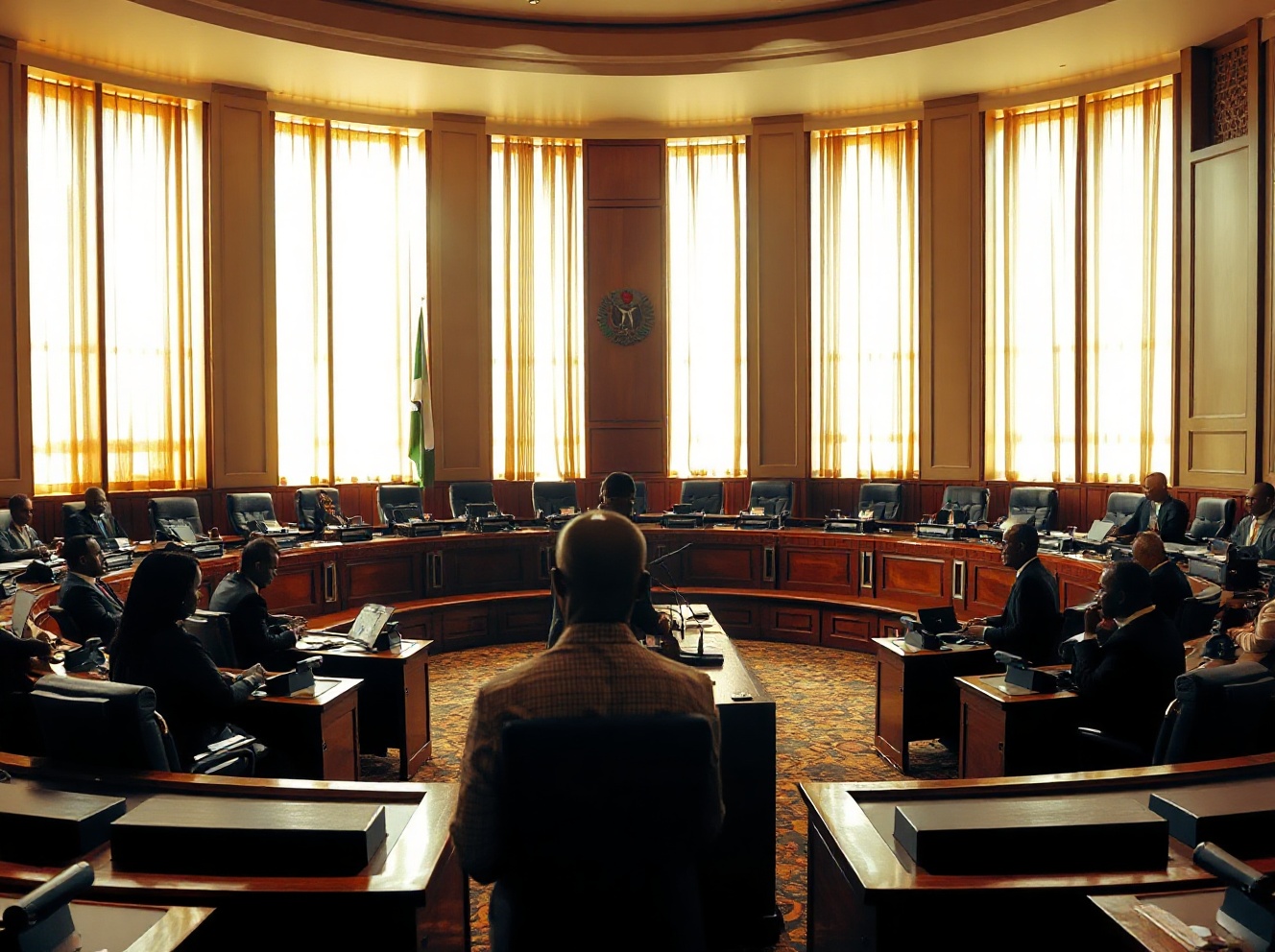 Nigeria Moves Closer to Crypto Licensing as Senate Passes Bill in Second Reading
The Nigerian Senate has taken a significant step toward regulating the country’s cryptocurrency sector, passing a comprehensive digital assets bill in its second reading. The proposed legislation, which now moves to committee review, would require all cryptocurrency exchanges operating in Nigeria to obtain a license and comply with transparency and anti-money laundering standards.
What the Bill Proposes
According to reports from Premium Times, the bill aims to establish a clear legal framework for virtual assets, digital assets, and Virtual Asset Service Providers (VASPs). If enacted, it would mandate that exchanges register with a designated regulatory authority, maintain auditable records, and adhere to customer due diligence requirements. The legislation is designed to address long-standing concerns about consumer protection, financial crime, and market integrity in Nigeria’s rapidly growing crypto economy.
Next Steps in the Legislative Process
Following the second reading, the bill has been referred to the Senate’s Capital Markets Committee for detailed scrutiny. The committee is expected to submit its report within four weeks, after which the bill will proceed to a third reading and potential vote. This timeline suggests that a final decision could come before the end of the current legislative session, though amendments are likely during the committee stage.
Why This Matters for Nigerian Crypto Users
Nigeria has one of the highest cryptocurrency adoption rates in the world, driven by a young, tech-savvy population and economic factors such as currency instability and limited access to traditional banking. However, the lack of clear regulation has created uncertainty for both users and businesses. A licensing framework could provide legal clarity, reduce fraud risks, and potentially attract institutional investment. Critics, however, warn that overly strict requirements could drive activity underground or push users toward unregulated platforms.
Broader African Context
Nigeria’s move aligns with a broader trend across Africa, where several countries are developing or implementing crypto regulations. South Africa has already classified crypto assets as financial products, while Kenya and Ghana are exploring similar frameworks. A well-designed Nigerian regulatory regime could position the country as a regional leader in digital asset governance, though implementation will be key to its success.
Conclusion
The passage of the crypto licensing bill through its second reading marks a pivotal moment for Nigeria’s digital asset landscape. While the legislation still faces committee review and a final vote, the momentum suggests that formal regulation is increasingly likely. For Nigerian crypto users and businesses, the coming weeks will be critical in determining how the country balances innovation with oversight.
FAQs
Q1: Will the bill affect individual crypto users in Nigeria?Primarily, the bill targets cryptocurrency exchanges and VASPs. Individual users are unlikely to face direct licensing requirements, but they may experience changes in how exchanges operate, including stricter identity verification and transaction reporting.
Q2: What happens if an exchange does not obtain a license under the proposed law?Unlicensed exchanges would likely be prohibited from operating legally in Nigeria. The bill is expected to include penalties for non-compliance, though specific enforcement mechanisms will be clarified during the committee review stage.
Q3: When could the bill become law?If the committee submits its report within the expected four-week timeframe, the bill could proceed to a third reading and final vote shortly after. Assuming passage, presidential assent would be required before the law takes effect. A realistic timeline for enactment is late 2025 or early 2026.
This post Nigeria Moves Closer to Crypto Licensing as Senate Passes Bill in Second Reading first appeared on BitcoinWorld.