Nigeria's Senate has advanced a bill aimed at licensing and regulating cryptocurrency exchanges, signaling a formal legislative push toward oversight of digital asset platforms operating in A
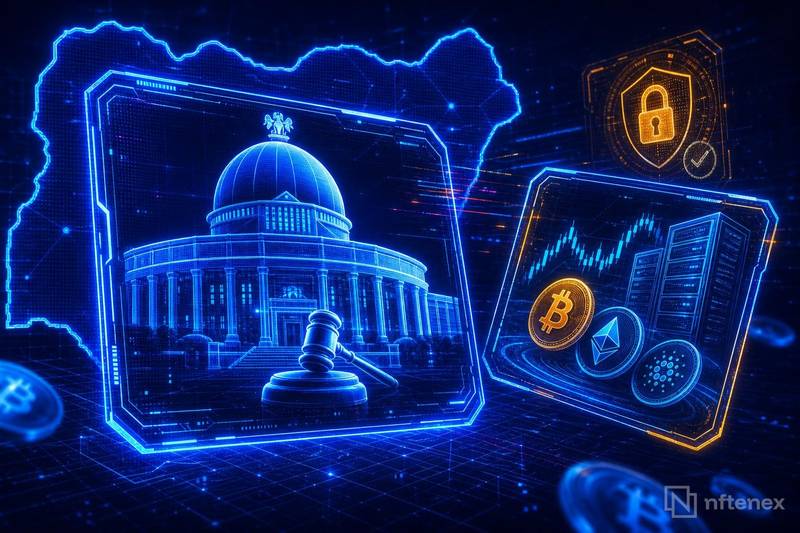
Nigeria's Senate has advanced a bill aimed at licensing and regulating cryptocurrency exchanges, signaling a formal legislative push toward oversight of digital asset platforms operating in Africa's largest economy.
The development, reported by BusinessDay, marks a concrete step in Nigeria's effort to bring crypto exchange operators under a defined regulatory framework rather than leaving them in a legal gray zone.
What the bill would do for crypto exchanges
When a legislative body "advances" a bill, it means the proposal has cleared a key procedural stage, typically passing a reading or committee review, but has not yet become law. The bill still faces additional legislative steps before it can take effect.
The proposal centers on requiring crypto exchanges to obtain formal licenses to operate. This is distinct from broader crypto adoption policy; it targets the platforms facilitating trades, not the technology itself.
The bill aligns with Nigeria's wider securities reform effort. The Investments and Securities Act 2025 already expanded the Securities and Exchange Commission's mandate over digital assets, and this new bill would build on that foundation with exchange-specific licensing requirements.
For exchanges currently serving Nigerian users, the legislation implies new compliance obligations: registration, reporting, and potentially capital or operational standards set by regulators.
Why the proposal matters for Nigeria's crypto market
Nigeria consistently ranks among the world's top countries for cryptocurrency adoption. A licensing regime could reshape how both domestic and foreign exchanges approach the market.
For users, regulated exchanges could offer stronger protections against fraud and platform insolvency. Clearer rules may also encourage institutional participation, as banks and payment providers have historically been cautious about engaging with unregulated crypto platforms.
The trade-off is real, though. Licensing requirements create compliance costs that smaller exchanges may struggle to absorb, potentially reducing competition and consolidating activity among larger, well-capitalized platforms. As regulators globally grapple with similar questions around exchange oversight and new trading products, Nigeria's approach will be closely watched across African markets.
The push for formal regulation also comes as digital asset platforms expand into areas like real-world asset tokenization and protocol-level infrastructure, raising the stakes for clear jurisdictional rules.
What to watch as the bill moves forward
The bill must still pass through remaining legislative stages in the Senate and House of Representatives before reaching the president for assent. Final rules could differ substantially from the current draft.
Key questions for market participants include which agency will oversee licensing, what capital or technical requirements exchanges must meet, and whether existing operators will receive a transition period to comply.
The Chambers FinTech 2026 guide for Nigeria notes the country's evolving regulatory landscape for digital assets, suggesting that this bill is part of a broader trend rather than an isolated action.
Exchanges operating in or targeting Nigeria should monitor the bill's progress through the National Assembly and prepare for the possibility that formal licensing could become a requirement in the near term.
Disclaimer: This article is for informational purposes only and does not constitute financial or investment advice. Cryptocurrency and digital asset markets carry significant risk. Always do your own research before making decisions.
Read original article on nftenex.com