Latest industry data by the Nigerian Communications Commission (NCC) has shown that Nigerian internet subscribers used 1.76 million terabytes of data in August 2026, becoming the highest sinc
Latest industry data by the Nigerian Communications Commission (NCC) has shown that Nigerian internet subscribers used 1.76 million terabytes of data in August 2026, becoming the highest since reporting of the figure commenced in 2023.
The milestone reflects the continued shift in how Nigerians engage with digital services, their data usage patterns, and subscription behaviour. It shows how data is winning over voice calls as Nigerians increasingly substitute traditional SMS and cellular voice calls for data-driven alternatives such as WhatsApp Voice and Video calls, Telegram, Zoom, and Google Meet.
The pattern continues to prove that data is no longer viewed as a luxury, but now as an essential need for daily living, remote work, online learning, and keeping up with personal networks and customers. Also, the data volume is heavily driven by short video platforms such as TikTok, Instagram Reels, YouTube, and X (formerly Twitter).

Newer smartphones and apps can increase data consumption through high-resolution video, automatic video playback and background updates. These features may cause users to consume more data, depending on their settings and usage habits.
On average, each of Nigeria’s 158.5 million internet subscribers (as of August 2026) consumed approximately 11.41 GB during the month.
Also read: Telecom: Globacom loses nearly 46,000 subscribers in August 2026.
MTN welcome more Nigerian internet users
The telecoms industry added 82,000 new internet users during the month, largely fueled by 46,200 additions by MTN Nigeria. This means that the leading telecoms operator has extended its lead to 84.6 million internet subscribers.
Industry data also revealed that Airtel Nigeria added 18,000 internet users while Globacom saw 15,000 new additions, with both currently controlling an internet user base of 56.93 million and 15.76 million, respectively.
T2mobile (9mobile) didn’t record any increase during the month as the operator’s internet users stood at 810,010 in August 2026, the same as July 2026.

In terms of network share, 54.77% of Nigerian users are now on the 4G network, a share that increased from 54.31%. While it’s still the familiar crawling growth, 5G also gained during the month, with its share standing at 4.92% from 4.74% in July.
As expected in a normal routine, 2G fell for the first time in six months as it now possesses 36.05% of the market from 36.54% recorded in July. 3G also continued its gradual disappearance from the market, reducing further to 4.27% in August.
Broadband subscribers, a record of Nigerians on high-speed internet subscriptions, increased from 124.4 million to 126.2 million in August. The data is another reflection of how users continue to demand quality internet, as remote workers, content creators, and fintech and banking activities depend heavily on fast-paced mobile internet connections.
Broadband penetration rose to 58.22%% during the month. Recall that Nigeria missed its previous 70% broadband penetration target set for the end of December 2025 under the National Broadband Plan (NBP) 2020–2025.
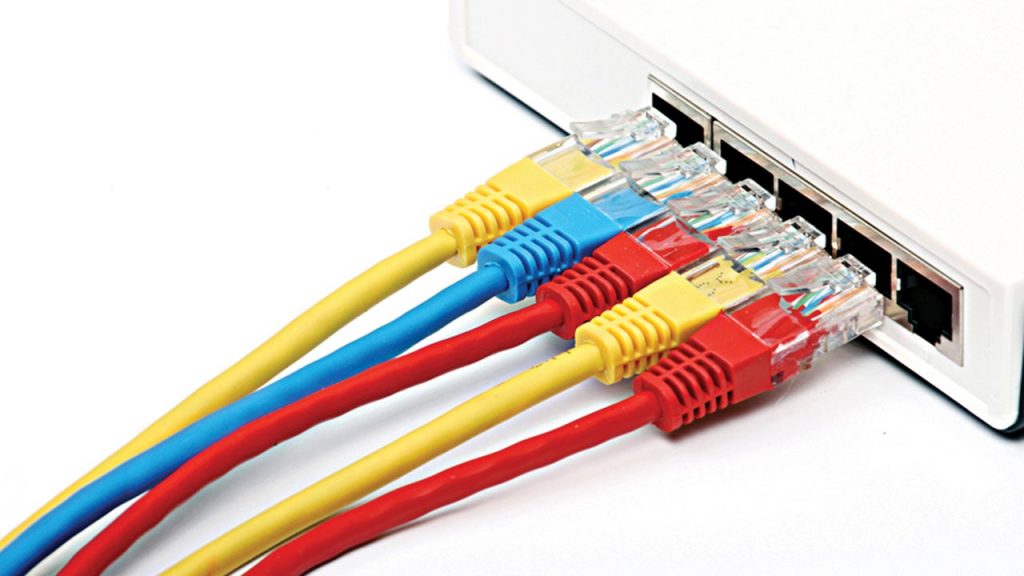
Broadband connectivity
To facilitate the ambition, the Federal Government is set to deploy 90,000 kilometres of open-access fibre nationwide, a project that will reportedly commence in October and reach completion by 2028. The initiative aims to expand Nigeria’s total fibre backbone from roughly 35,000 km to 125,000 km and connect more than 200,000 schools and health facilities.
The NCC is also working on a subsequent 2025–2030 roadmap focusing on low-earth orbit (LEO) satellites and direct-to-device connectivity to close the digital divide and bring rural communities online.
Also read: FG targets 6 months to fund solar-powered, community-owned telecom towers in rural Nigeria.