TLDR Nokia stock rises as Microsoft deal expands its telecom automation strategy. Nokia and Microsoft combine data tools to speed AI-driven network operations. Telecom operators gain faster a
TLDR
- Nokia stock rises as Microsoft deal expands its telecom automation strategy.
- Nokia and Microsoft combine data tools to speed AI-driven network operations.
- Telecom operators gain faster access to trusted data across network systems.
- New tools support fault detection, predictive maintenance, and VoNR assurance.
- The partnership expands Nokia’s push toward more autonomous telecom networks.
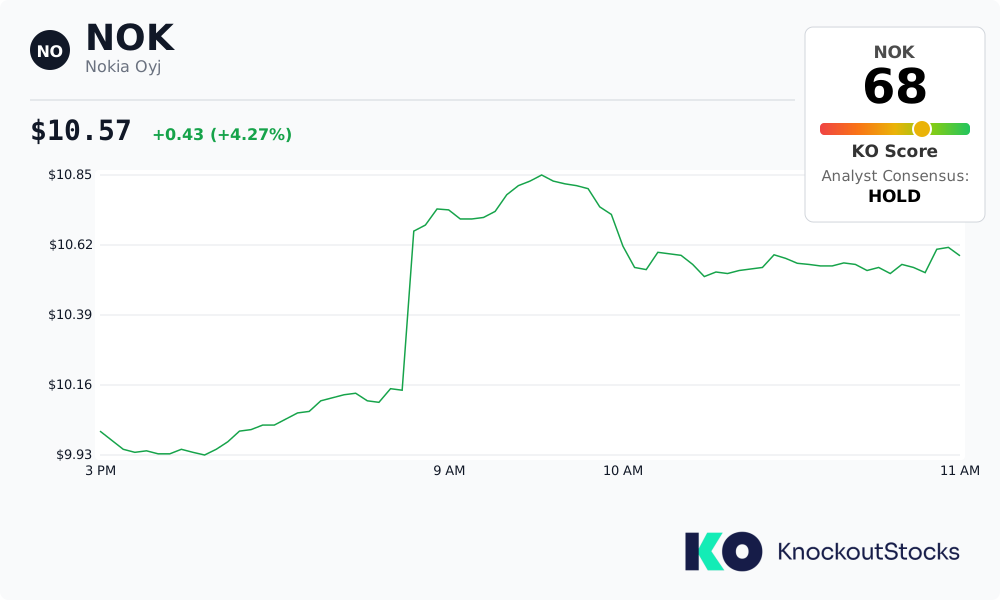
Nokia (NOK) shares climbed 5.92% to $10.74 before Thursday’s open after the company expanded its Microsoft partnership. The deal targets faster telecom automation by linking Nokia Data Suite with Microsoft Fabric. Nokia closed the prior session 3.05% higher at $10.14, extending recent momentum.
Nokia Oyj, NOK
Nokia will combine its ready-made telecom data products with Microsoft Fabric’s analytics and governance tools. The companies aim to shorten data preparation and improve access to trusted network information. Operators can use the combined system to support automated decisions across complex telecom environments.
Nokia Data Suite supplies reusable data products with quality controls and telecom-specific data models. Microsoft Fabric adds OneLake storage, analytics services, and tools for business intelligence and machine learning. Together, the platforms create one data layer for network, enterprise, and third-party information.
The companies expect operators to move from fragmented data systems toward more automated network operations. The setup supports hybrid, cloud and on-premises infrastructure across multi-vendor telecom environments. That flexibility can help operators meet local rules while keeping data available for automation projects.
Automation Use Cases Focus on Network Operations
The partnership includes automated VoNR assurance, which helps operators detect service problems and identify likely causes. The system can also recommend actions after reviewing network, service, and subscriber data. Network teams can then use those recommendations while retaining human control over operational decisions.
Another use case covers geographic network experience across 4G and 5G systems. The tools can map subscriber sessions, identify weak radio performance, and locate coverage or capacity problems. Operators can then connect subscriber, network, and radio data to target network improvements.
The companies also plan predictive maintenance and fault management for telecom infrastructure. These tools can analyze historical and live data to flag potential network issues earlier. As a result, operators can address problems before they spread across larger parts of the network.
Microsoft Deal Extends Nokia’s Automation Strategy
The agreement expands a broader Nokia and Microsoft relationship covering cloud services, data, cybersecurity, and automation. Both companies already work with telecom providers on infrastructure modernization and software-based network management. The latest project shifts more attention toward using prepared data for automated network operations.
Nokia has also pushed deeper into autonomous networking as telecom systems become more software driven. The company wants operators to automate routine tasks while keeping engineers involved in sensitive decisions. This approach can reduce manual work without removing operational oversight from network teams.
Nokia and Microsoft now offer the solution while expanding customer deployments and supported network functions. Nokia also expects more telecom uses as operators connect broader data sources to the platform. The Microsoft deal therefore adds another commercial path for Nokia’s network automation business.
The post Nokia (NOK) Stock: Surge as Microsoft Deal Targets AI-Driven Telecom Automation appeared first on Blockonomi.