BitcoinWorld Nordea: Yen’s Weakness Mirrored in Japan’s Cheap Burgers Nordea has highlighted the Japanese yen’s persistent weakness, drawing an unusual parallel to the affordability of burger
BitcoinWorld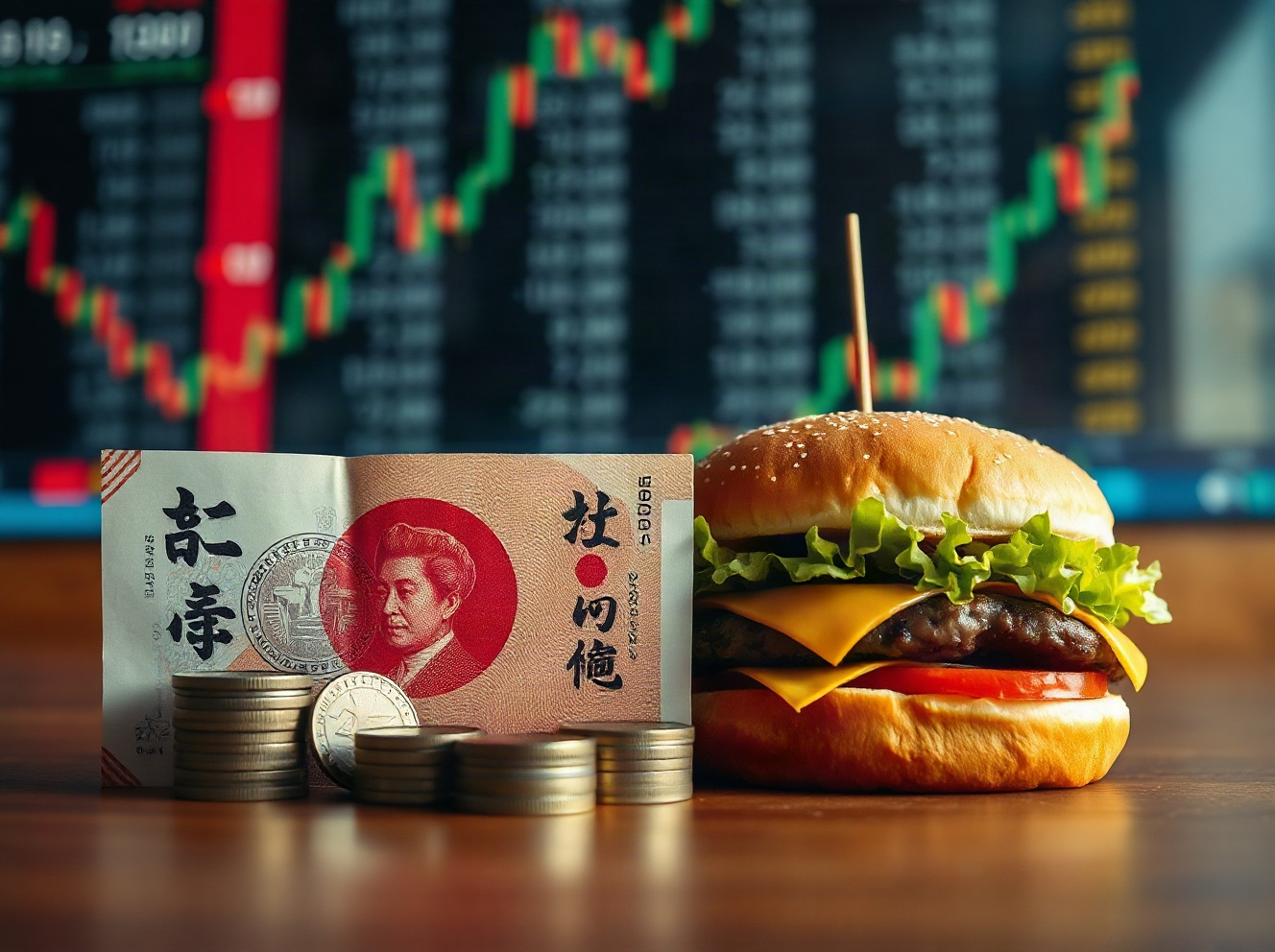 Nordea: Yen’s Weakness Mirrored in Japan’s Cheap Burgers
Nordea has highlighted the Japanese yen’s persistent weakness, drawing an unusual parallel to the affordability of burgers in Japan, as the currency continues to trade at historically low levels against major peers.
What Does the Yen’s Weakness Mean for Japan?
The yen’s depreciation has made imported goods more expensive, yet it has also made Japanese products and services, including food items like burgers, cheaper for foreign visitors. Nordea’s commentary, released this week, underscores how the currency’s slide is reshaping both domestic purchasing power and the country’s international competitiveness.
As of early 2025, the yen has lost significant ground against the US dollar, hovering near multi-decade lows. This has prompted intervention threats from Japanese authorities, but the fundamental drivers—wide interest rate differentials and a sluggish domestic economy—remain unchanged.
Why Are Burgers a Useful Indicator?
Economists often use the ‘Big Mac Index’ as a lighthearted gauge of purchasing power parity. In Japan, a Big Mac costs notably less in dollar terms than in the US, reflecting the yen’s undervaluation. Nordea’s reference to ‘cheap burgers’ illustrates how the currency’s weakness is visible in everyday consumer prices, making Japan an attractive destination for tourists but a challenging environment for locals whose incomes haven’t kept pace.
Impact on Consumers and Businesses
For Japanese households, the weak yen raises the cost of imported energy and food, squeezing real incomes. Meanwhile, exporters and the tourism sector benefit from increased competitiveness. This divergence is a central theme in Japan’s economic policy debate, as the Bank of Japan cautiously moves away from ultra-loose monetary policy.
Conclusion
Nordea’s observation about cheap burgers is more than a quirky aside—it encapsulates the complex realities of a weak currency. While it boosts tourism and exports, it also erodes domestic purchasing power. As the yen remains under pressure, the Bank of Japan faces a delicate balancing act between supporting growth and containing inflation. Investors and consumers alike will watch for any policy shifts that could alter the currency’s trajectory.
FAQs
Q1: Why is the Japanese yen so weak?The yen’s weakness stems from Japan’s low interest rates compared to the US and other major economies, making it less attractive for investors seeking yield. Additionally, Japan’s economic growth has lagged, further weighing on the currency.
Q2: How does a weak yen affect Japanese consumers?A weak yen increases the cost of imported goods, including food, energy, and raw materials, leading to higher prices for consumers. This can reduce purchasing power, especially for households with fixed incomes.
Q3: What is the ‘Big Mac Index’ and how does it relate to the yen?The Big Mac Index is an informal measure of purchasing power parity, comparing the price of a Big Mac across countries. In Japan, the yen’s undervaluation makes Big Macs cheaper in dollar terms, illustrating the currency’s weakness relative to the US dollar.
This post Nordea: Yen’s Weakness Mirrored in Japan’s Cheap Burgers first appeared on BitcoinWorld.