An interview with a suspected North Korean "IT worker" applying for a crypto developer role has put a rare human face on one of the industry's most underestimated hiring risks, showing how op
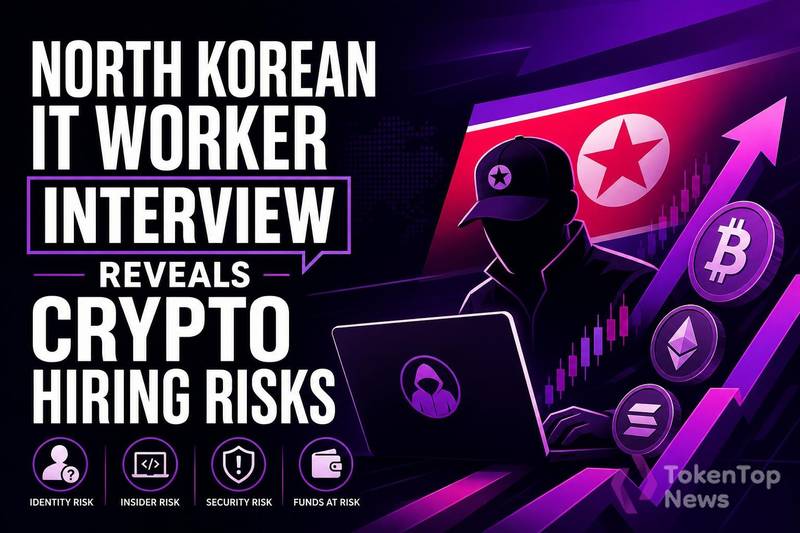
An interview with a suspected North Korean "IT worker" applying for a crypto developer role has put a rare human face on one of the industry's most underestimated hiring risks, showing how operatives can slip through remote recruiting pipelines at exchanges, protocols, and startups.
The account comes from an interview-driven report describing what it is like to screen a candidate later flagged as a North Korean crypto developer. The details offer a window into how such applicants present themselves for legitimate-looking engineering jobs. For related coverage, see FBI Charges Three Men Over $6.5 Million Crypto Robbery Spree.
The reporting behind this story is only partially verified, so the specifics should be read as one outlet's firsthand observations rather than a confirmed intelligence case. What the interview illustrates is exposure at the hiring stage, not a settled attribution. For related coverage, see CFTC and DOJ Sue Illinois Governor in Crypto Regulation Dispute.
The hiring red flags crypto employers keep missing
The core lesson is operational: the risk enters through recruiting, contracting, and remote developer screening, not through market mechanics. A single misjudged hire can hand a foreign operative access to code, treasury systems, or user data. For related coverage, see Uzbekistan Plans State Crypto Mining Zone With Tax Incentives.
Broader investigative reporting has documented how North Korean workers infiltrated the crypto industry by winning remote engineering roles under false identities. That pattern makes identity verification, references, and payment-routing checks central to any crypto hiring workflow.
For firms building out teams, the takeaway is to treat due diligence as a security control, not a formality. The same scrutiny applied to smart-contract audits belongs in the applicant funnel, especially as the sector consolidates and hiring accelerates around the survivors of a broad market shakeout.
Why sanctions turn a bad hire into a legal problem
The stakes go beyond HR because paying the wrong contractor can breach sanctions. U.S. authorities have used Treasury enforcement actions dated May 16, 2022 to target the channels North Korea uses to generate revenue, placing the burden on employers to know who they are paying.
A crypto company that unknowingly funnels salary to a sanctioned operative faces Treasury scrutiny, reputational damage, and potential liability, regardless of intent. That compliance exposure is why hiring failures in this space are a business risk, not just a staffing mishap.
The concern also sits alongside a wider pattern of crypto-linked criminal exposure, from the enforcement effort behind an FBI case tied to a multimillion-dollar crypto robbery spree to state-level rulemaking such as the North Carolina Digital Asset and Stablecoin Act. For hiring teams, the practical response is verification before the offer, not after the incident.
Disclaimer: This article is for informational purposes only and does not constitute financial or investment advice. Cryptocurrency and digital asset markets carry significant risk. Always do your own research before making decisions.
Read original article on tokentopnews.com