
DeFi2 min read
A strong week for Stellar
Stellar's native token $XLM posted a solid seven-day run, gaining 13% to trade at $0.2167 as of September 25. Trading volume over the prior 24 hours jumped 82% to $528.9 million, while the ne
BitcoinWorld Oil: Supply Disruptions Raise Deficit Risks – ING Supply disruptions in key producing regions are increasing the risk of an oil market deficit, according to a recent analysis by
BitcoinWorld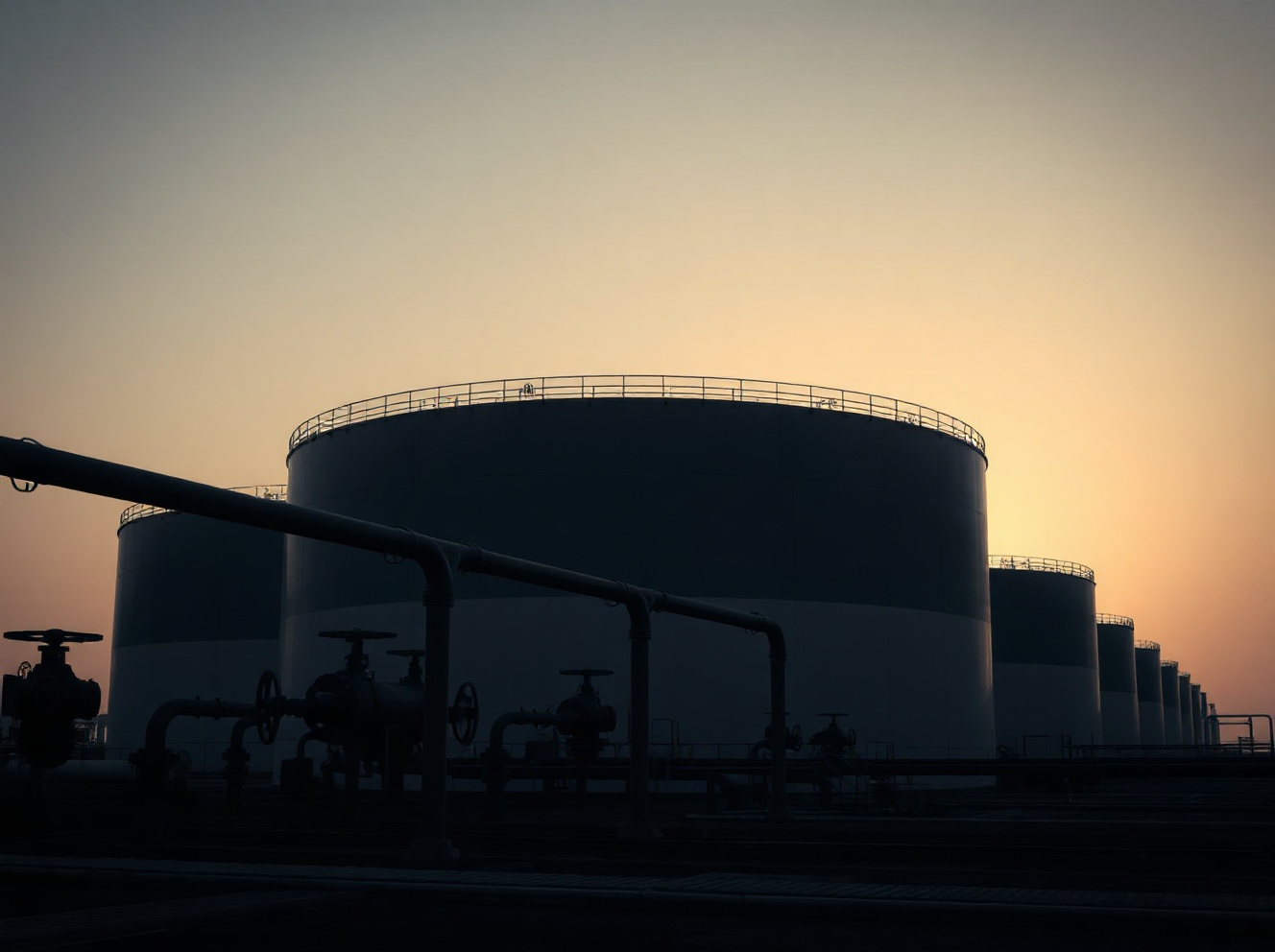 Oil: Supply Disruptions Raise Deficit Risks – ING
Supply disruptions in key producing regions are increasing the risk of an oil market deficit, according to a recent analysis by ING. The report highlights that unplanned outages and geopolitical tensions are tightening balances, potentially pushing prices higher in the near term.
ING points to a combination of factors, including ongoing production cuts by OPEC+ allies and unexpected outages in several non-OPEC producers. These disruptions are eroding the global spare capacity cushion, making the market more sensitive to any additional supply losses. The report notes that while demand growth has been moderate, the supply side is struggling to keep pace, leading to a projected deficit in the coming quarters.
As of the latest assessment, ING expects that if these disruptions persist, Brent crude could see sustained upward pressure. The bank’s analysts suggest that the market is currently underpricing the risk of a tighter balance, especially if winter demand picks up. However, they also caution that any easing of geopolitical tensions or a faster-than-expected recovery in production could quickly shift the outlook back to a surplus.
For investors, the potential for higher oil prices could translate into gains for energy stocks but may also stoke inflation concerns. For consumers, elevated crude prices often lead to higher fuel costs, which can ripple through the broader economy. Understanding these dynamics is crucial for making informed decisions in both financial and everyday contexts.
ING’s analysis underscores the fragility of the current oil market balance. With supply disruptions on the rise, the risk of a deficit is real, but so is the potential for a swift reversal. Market participants should monitor production trends and geopolitical developments closely, as these will dictate price direction in the months ahead.
Q1: What is the main reason for the oil supply disruptions?Supply disruptions are primarily due to unplanned outages in non-OPEC producers and ongoing production cuts by OPEC+ members, which have reduced global spare capacity.
Q2: How could these disruptions affect oil prices?If disruptions persist, the market could face a deficit, pushing prices higher. ING suggests that the market may be underpricing this risk, so there is potential for upward price movement.
Q3: What could reverse the current supply tightness?A quick resolution of geopolitical tensions, a faster-than-expected recovery in production from disrupted regions, or a significant slowdown in demand growth could all help bring the market back into surplus.
This post Oil: Supply Disruptions Raise Deficit Risks – ING first appeared on BitcoinWorld.