Stablecoin wars were always going to arrive eventually. They just arrived wearing suits today. As Open USD officially launched on June 30 with backing from more than 140 businesses spanning p
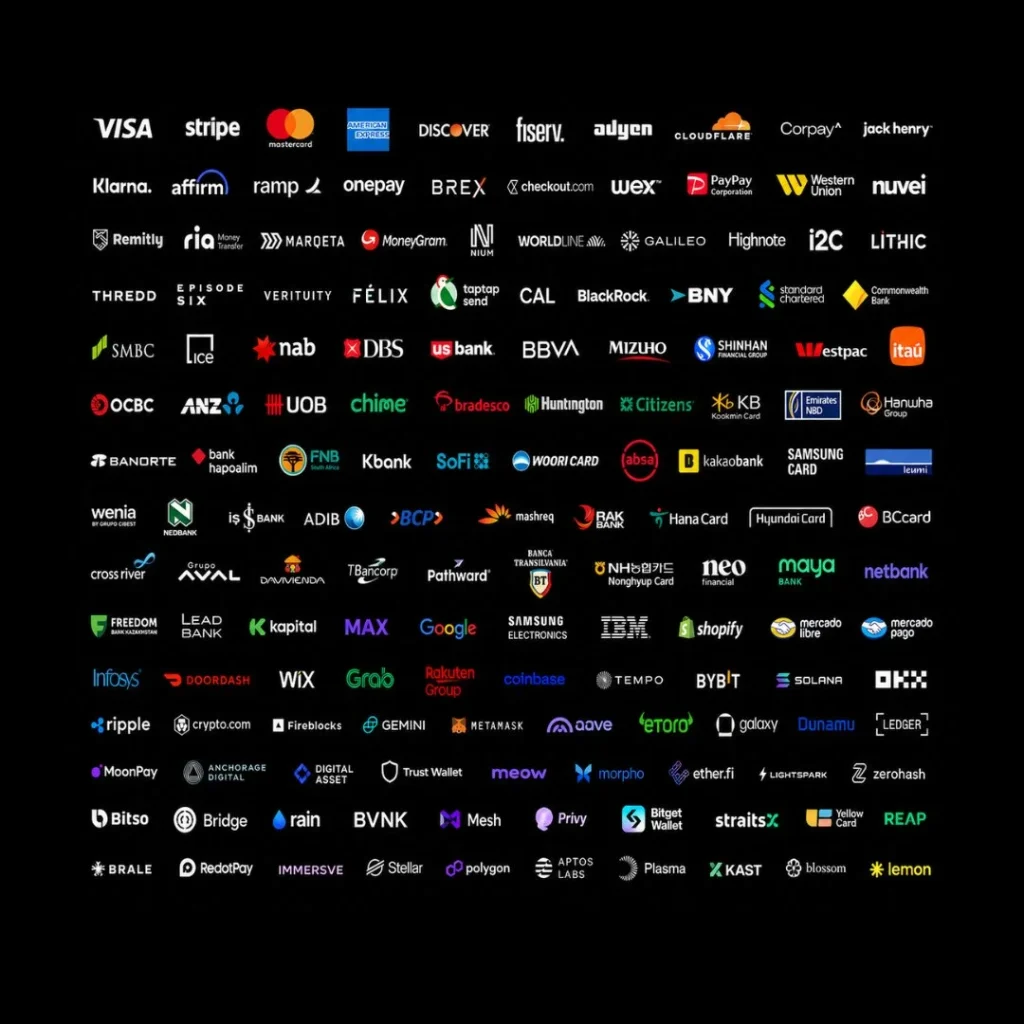
Stablecoin wars were always going to arrive eventually. They just arrived wearing suits today. As Open USD officially launched on June 30 with backing from more than 140 businesses spanning payments, banking, fintech, crypto infrastructure, and global commerce. The list reads less like a startup ecosystem and more like the guest list for modern finance itself.
The pitch is simple enough: remove fees, share economics, and avoid centralized control.
Stablecoin Economics Finally Get Rewritten
Open USD says businesses will be able to mint and redeem the stablecoin without fees or artificial volume limits. More importantly, partners receive the earnings generated from reserve assets after operational costs are deducted.
That changes the economics considerably. Most stablecoin issuers keep reserve income for themselves while businesses simply provide distribution. Open USD wants to flip that arrangement entirely.
Governance Moves Beyond Single Issuer Control
Perhaps the bigger shift is governance. Instead of relying on one company to determine product direction, Open USD will operate through Open Standard with a board composed of participating partners. The idea is straightforward: infrastructure that moves global money probably shouldn’t belong to a single gatekeeper.
Payments firms, banks, exchanges, wallet providers, and blockchain networks all get seats at the table.
The Infrastructure Layer Nobody Will Notice
Ironically, success may mean invisibility. Several participants highlighted the same idea repeatedly: users don’t care which rail moves money. They care whether it arrives instantly, cheaply, and without friction.
Stablecoins are increasingly becoming plumbing rather than products.
With transaction volumes approaching those of traditional payment networks and institutional participation accelerating, Open USD appears to be betting that the future winners won’t be the loudest stablecoins, but the ones users never realize they’re using.