What Is P2P Crypto Trading in Nigeria and How Does It Work The fast development of P2P crypto trading Nigeria stems from the demand for an efficient method to trade naira for cryptocurrencies
What Is P2P Crypto Trading in Nigeria and How Does It Work
The fast development of P2P crypto trading Nigeria stems from the demand for an efficient method to trade naira for cryptocurrencies.
Buyers and sellers do business between themselves, and there is no need for order books of any traditional exchange. Usually, the interest increases when the naira depreciates.
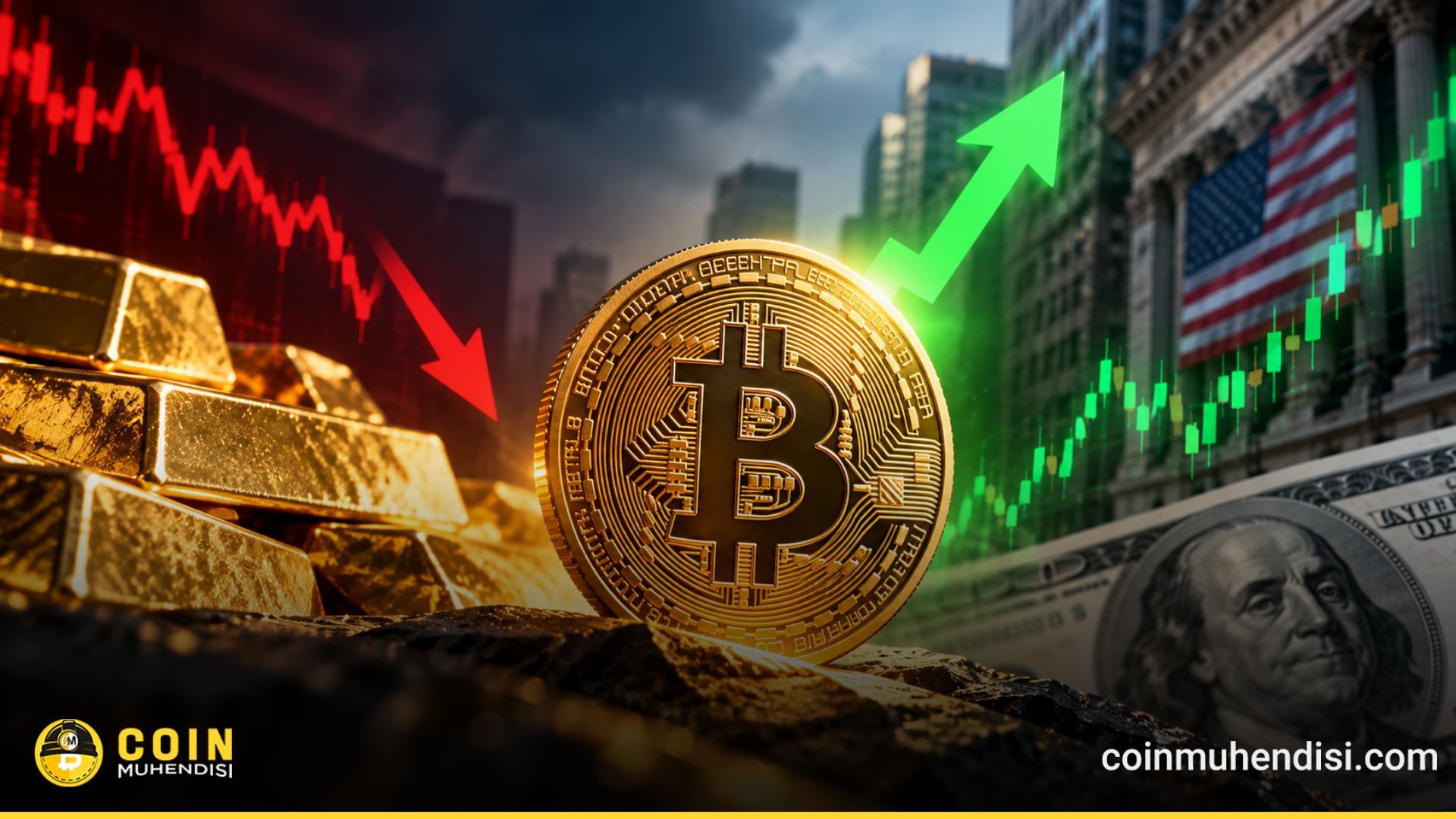
It applies to the bitcoin vs gold dispute as well since it becomes more prominent when seeking means to safeguard one's savings. This guide describes the process, commonly used naira payment methods, and safety measures in 2026.
What Is P2P Crypto Trading in Nigeria?
P2P stands for Peer to Peer. It is a platform where a customer looking to purchase crypto is linked with someone willing to sell his crypto.
They agree upon the cost in naira, which is directly transferred from one bank account to another. No pricing policy is implemented by the platform. They just provide the advertising page and escrow service.
Most trades use stablecoins like USDT, because the price stays close to one US dollar. Some people also trade Bitcoin. The bitcoin vs gold comparison often comes up here, since both are seen as ways to keep value over time.
How Does P2P Crypto Trading Work?
These processes follow a specific sequence. First, the seller publishes an advertisement specifying the cost, maximum value, and payment method for the transaction.
Next, the buyer selects an advert and opens an order. The system keeps the cryptocurrency belonging to the seller in escrow.
Then, the buyer transfers naira to the seller’s account, after which the buyer flags the order as “paid.” After that, the seller confirms the amount in the bank and unlocks the cryptocurrency.
How to Start P2P Crypto Trading in Nigeria Step by Step
Choose a reliable exchange and register there.
Complete identity verification because most exchanges need to know your government-issued ID.
Use two-factor authentication for logging into your account.
Link your bank account to your account name.
Choose the buy/sell tab, choose USDT or another cryptocurrency, and apply a filter for naira.
Place an order with a reliable seller, go through payment procedures, and receive your cryptocurrency.
It’s better to start with a smaller transaction to understand how it works.
How to Buy and Sell Safely in 2026
Trade only inside the platform and keep all chats there.
Pay only to the account shown in the order window.
Release crypto only after the money clearly shows in the bank account, not just in a screenshot.
Avoid payments from third parties, since those funds can be flagged later.
Keep receipts, order numbers, and chat records.
Several big exchanges run P2P markets for Nigerian users. Common names are Binance P2P, Bybit P2P, OKX P2P, and KuCoin P2P.
They share many features, such as escrow, merchant ratings, and a dispute process. The main differences are the number of active merchants, the naira payment methods listed, and the daily limits.
Rules and availability can change, so readers should check each official site for current service in Nigeria before opening an account.
How to Choose a Trusted Merchant for P2P Crypto Trades
A merchant profile gives helpful signs:
A high completion rate and many past trades.
Good reviews and a verified badge.
An older account with steady activity.
A fair price close to the market rate. A price that looks too good is a warning sign.
Fast replies and clear payment terms.
How Escrow Keeps Every P2P Crypto Trade Safe in Nigeria
Escrow works like a neutral keeper. When an order opens, the seller's crypto is locked. The buyer cannot take it until the seller confirms payment, and the seller cannot take it back once the buyer pays.
If a dispute starts, the platform support team reviews the chat, the receipts, and the bank proof, then decides who gets the coins. Escrow lowers risk, but it cannot stop fake payment alerts, so the bank balance must always be checked first.
Many platforms charge little or no fee to the person who accepts an ad. Still, the gap between the merchant's price and the market price acts as a hidden cost, so rates should be compared before each trade. Limits depend on the ad and on the account's verification level. Common naira methods include:
Direct bank transfer.
Digital banks and mobile money apps such as Opay, PalmPay, and Moniepoint.
USSD and other local transfer options, where listed.
Each ad lists its accepted methods, so they should be read before placing an order.
Is P2P Crypto Trading Legal in Nigeria? Rules to Know
The use of crypto is legal in Nigeria. In December 2023, the Central Bank of Nigeria reversed its ban implemented in 2021 and permitted banks to provide banking services to cryptocurrency exchanges as per certain guidelines.
Furthermore, digital asset-related transactions are regulated by the Nigerian Securities and Exchange Commission and have been legally recognized under the Investments and Securities Act of 2025.
It is possible that tax laws could be applied to any profits earned from digital asset trading, while banks may ask where funds came from.
It is important to keep abreast of the ever-evolving regulatory requirements. Understanding the legislation is crucial for P2P crypto trading Nigeria as well as in case of comparison of Bitcoin and gold.
Common P2P Crypto Scams in Nigeria and How to Avoid Them
Fake payment alerts: Edited screenshots or fake SMS messages claim that money was sent. Only the real bank balance counts.
Fake support agents: Scammers pretend to be platform staff in private messages. Real support never asks for passwords or early release.
Third-party payments: Another pezrson pays, and the money is later reversed or frozen.
Off-platform trades: Scammers move the chat to other apps to skip escrow.
Fake apps and links: Copycat sites steal login details. Only official apps and bookmarked links should be used.
Pressure tactics: Messages that demand a quick release try to rush the seller into a mistake.
Smart Tips to Make P2P Crypto Trading in Nigeria Safer
Best practices will ensure that your money and accounts are protected. First, you should trade in small volumes and then increase gradually.
Also, open an account in only one bank and make sure that its name is verified. Make sure to document all these processes. You should not reveal the recovery phrase, password, and single use codes.
Keep only the required amount of funds on the platform while transferring the rest to their wallet. Many people also diversify their investments into stable coins. This is similar to selecting between Bitcoin and gold.
Risks and Causes of P2P Crypto Trading in Nigeria in 2026
Various reasons ensure that P2P crypto transactions in Nigeria remain active. Fluctuations in naira values drive individuals to crypto pegged to dollars. Fewer ways of accessing dollars via banks increase demand. Mobile payments allow quick transactions directly.
However, all these reasons also pose threats:
Fakes and scams.
Freezing of bank accounts following transactions associated with scams.
Rate fluctuations between placing an order and making a payment.
Chances of changes by various regulatory bodies, banks, and platforms.
Network error and incorrect addresses resulting in losses of coins.
Making decisions in a rush following price fluctuations.
All methods of storage have risks attached to them. This is clearly demonstrated in the comparison of bitcoin versus gold, where bitcoin experiences sharp fluctuations while gold is much steadier.
Conclusion
Peer-to-peer trading offers Nigerians a convenient and flexible way of trading naira and crypto.
Security comes down to the selection of the platform, merchant verification, use of escrow service, and proper payment analysis. P2P crypto trading Nigeria may prove to be effective provided that one remains vigilant and patient.
Similarly to the bitcoin against gold comparison, the key take-away message here is all about the right balance.
Disclaimer
This article is for informational purposes only and is not financial, investment, tax, or legal advice. Crypto prices can fall fast, and losses can be large. Platform features, fees, and Nigerian rules can change, so readers should confirm details on official sources and consider advice from a licensed professional.