Paga, one of Africa’s largest payments companies, has partnered with blockchain platform TBook to enable Africans invest in real-world assets, such as real estate, businesses, and agricultura
Paga, one of Africa’s largest payments companies, has partnered with blockchain platform TBook to enable Africans invest in real-world assets, such as real estate, businesses, and agricultural projects, via tokens built on the Sui blockchain.
The partnership was announced on Monday and marks Paga’s first major move beyond payments and remittances into investment products.
In simple terms: this partnership lets an everyday person in Lagos invest in things that were previously off-limits, like a poultry farm in China, foreign real estate, or a private business raising money overseas. Normally, those opportunities are blocked by geography or high minimum investments. This deal removes that barrier.
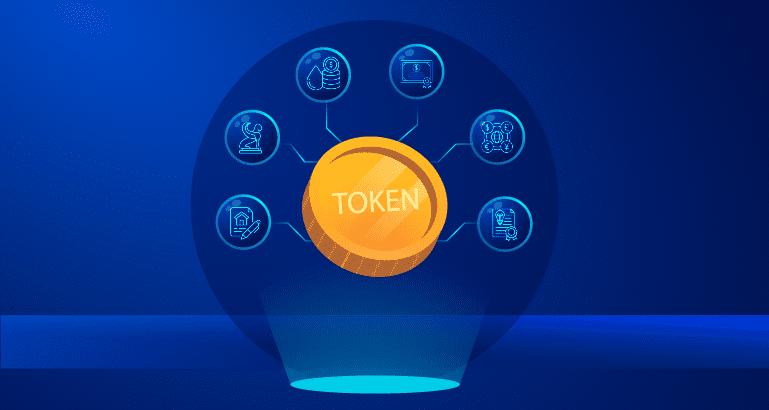
The system runs on something called tokenisation. A real business or asset, say, a poultry farm, is converted into digital tokens on a blockchain. Each token represents a small piece of ownership or a claim on that asset’s earnings. Instead of needing millions of naira to buy into a real estate project or a business abroad, someone can now buy a token worth a much smaller amount and still get a slice of the returns.
It works a bit like buying a few shares of a company instead of needing to buy the whole company.
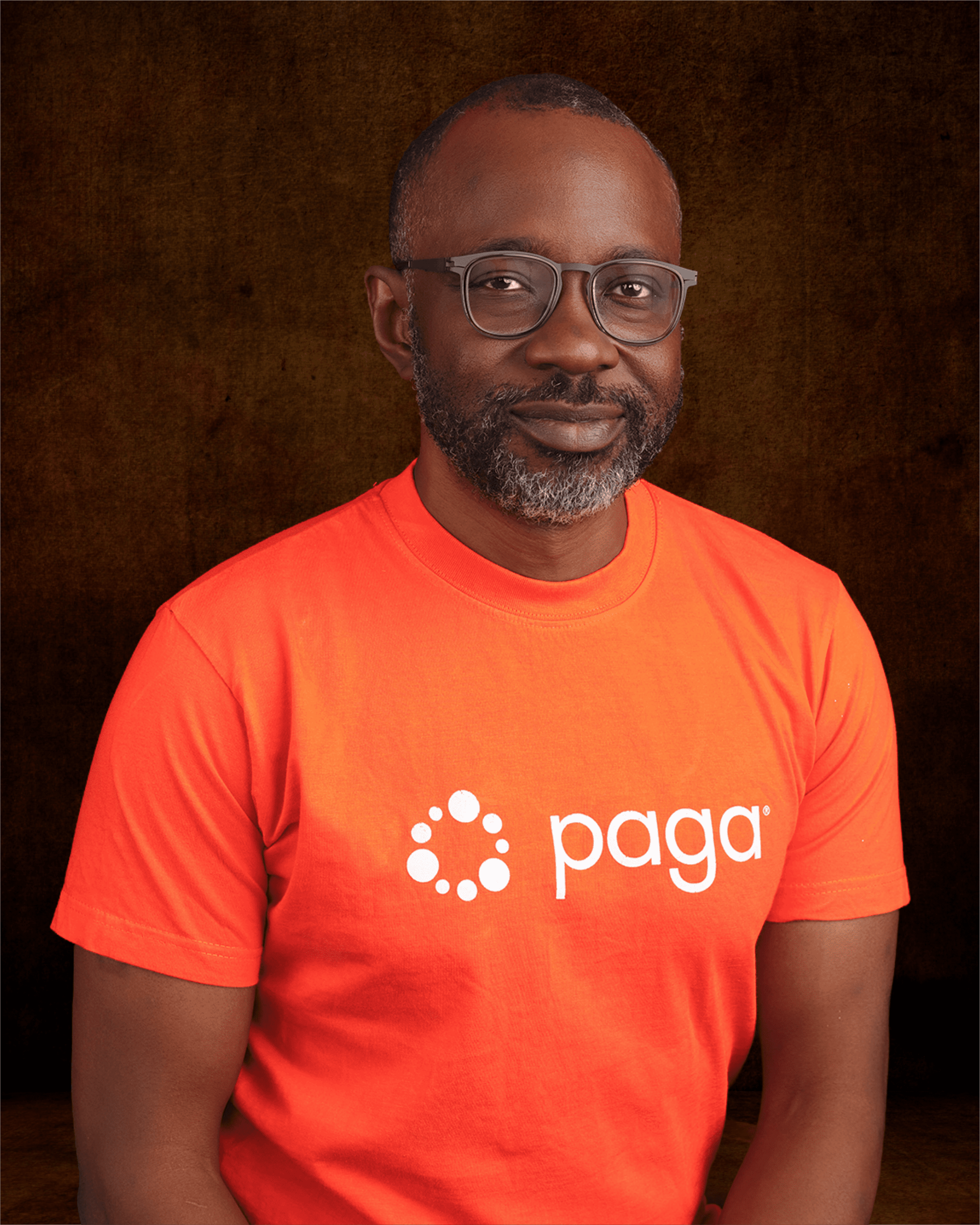
Tayo Oviosu, CEO Paga
TBook is the company that connects to asset owners around the world, the people who actually run the farms, hold the real estate, or operate the businesses, and turns those assets into tokens that can be bought and sold.
Paga is the company that Africans already trust and use daily for payments, so it plugs its existing local infrastructure, compliance systems, and customer base into TBook’s global network. The result: an African user can invest in something on the other side of the world, directly from an app they already use.
Similar read: What 17 years of survival taught Paga about building fintech in Africa
Paga said the investment products will be offered strictly through entities regulated by the relevant financial authorities in each country where it operates, meaning the company is not skipping local rules to make this work.
Why this partnership is important to Paga
Tayo Oviosu, Founder and Group CEO of Paga Group, said that he desires to see Africans participate fully in global commerce and grow their wealth.
“This partnership gives everyday Africans access to investment-grade opportunities that have historically been out of reach. We are not just moving money faster; we are opening the door to global finance for Africans.”
Nick Young, co-founder of TBook, said the partnership solves a problem most fintech apps have quietly ignored. “Every consumer fintech is sitting on idle balances that earn nothing for the customer and little for the business, especially in emerging markets,” he said.
“TBook’s partnership with Paga unlocks fully regulated, institutional-grade assets for millions of users through a single turnkey integration.”
That idle balance point is worth sitting with. Many Nigerians keep money sitting in mobile wallets and bank accounts that earn them nothing while it waits to be spent. This partnership is, in part, an attempt to let that same money start working, earning returns from real assets without the user needing to leave the app or learn how blockchain investing works from scratch.
The partnership works both ways. African consumers and businesses get access to global, tokenised investment opportunities. At the same time, the asset owners on TBook’s network, the people who actually own the farms, properties, and businesses being tokenised, get a new, regulated way to reach one of the world’s fastest-growing consumer markets: Africa.

Nick Young, TBook Co-founder
Paga is not a small player making a speculative bet. The company processed over $11 billion in payments and handled 169 million transactions in 2025 alone, and its Paga Engine currently powers more than 300 other businesses.
TBook, on its side, says its platform has served over 8 million users across more than 200 partners, with 22.6 million on-chain identities created and over 16.7 million tokenised assets claimed so far.