The Pan-African Payment and Settlement System (PAPSS) has added its most significant member yet. The Bank of Central African States (BEAC), the regional central bank serving six countries in
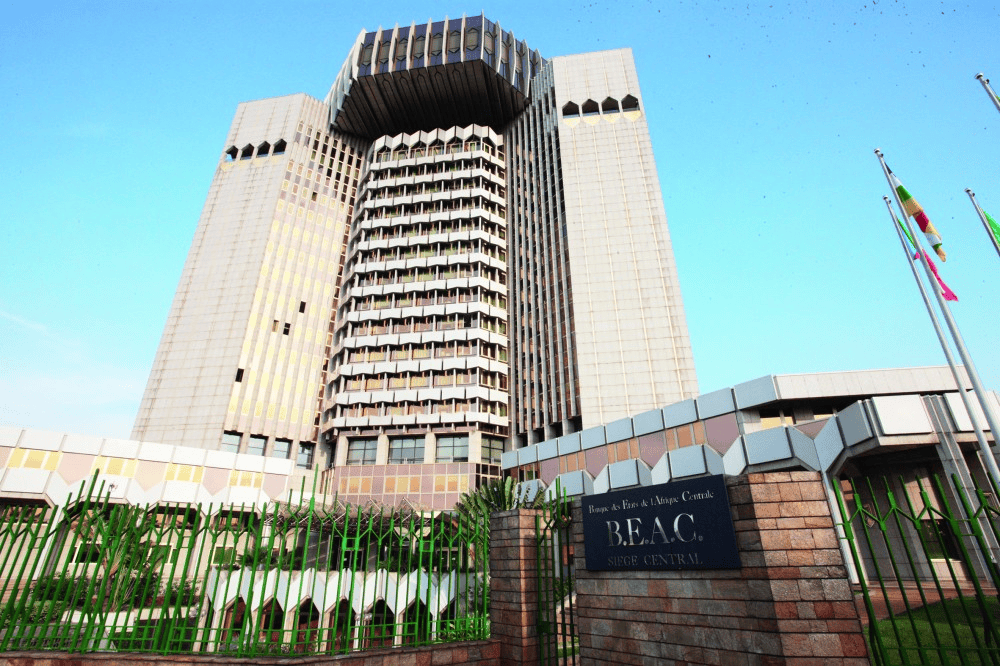
The Pan-African Payment and Settlement System (PAPSS) has added its most significant member yet. The Bank of Central African States (BEAC), the regional central bank serving six countries in Central Africa, officially joined the network today, bringing the number of African countries connected via PAPSS to 28.
The move is more consequential than most central bank announcements. BEAC is one of only two regional central banks on the African continent, meaning that when it joins a payment network, it does not represent a single country. It represents six: Cameroon, the Central African Republic, the Republic of Congo, Gabon, Equatorial Guinea, and Chad. Together, those countries make up the Central African Economic and Monetary Community, known as CEMAC, a market of more than 72 million people.
All of them now have a pathway into PAPSS’s infrastructure for sending and receiving money across Africa in local currencies, without routing payments through the US dollar or any other third-party currency.
PAPSS now brings together more than 190 commercial banks and fintechs, supported by 16 switches. Through its extended network partners, participants can also reach more than 250 additional financial institutions beyond the core network.

Mike Ogbalu III, CEO of PAPSS What this means in practice
To understand why this matters, think about what cross-border payments currently look like for a business owner in Douala trying to pay a supplier in Lagos. The naira and the CFA franc, the currency used in the CEMAC region, do not have a direct exchange rate that two banks can settle between themselves cheaply and instantly. So the payment has to go through a correspondent bank, usually in Europe or the United States, that holds accounts in both currencies and can bridge the gap.
That trip abroad and back takes one to three business days, costs between 5% and 8% in fees, and depends on the health of someone else’s banking system on another continent.
PAPSS was built to cut that route out entirely. A payment from Douala to Lagos, or from Accra to Kinshasa, settles within seconds, in local currencies, using the PAPSS network to clear and Afreximbank to settle the net positions between the central banks. BEAC’s membership means the CEMAC region is now inside that system, not looking at it from the outside.
“By joining PAPSS, BEAC is creating the conditions for faster, more affordable and more efficient cross-border payments between the CEMAC countries and Africa,” said BEAC Governor and Chair of the Association of African Central Banks, Yvon Sana Bangui.

He called on commercial banks and financial institutions across the six CEMAC member states to prepare for active participation on the platform.
Mike Ogbalu III, CEO of PAPSS, described the membership as opening “new trade and payment corridors between Central Africa and the rest of the continent.”
Also read: PAPSS: Wamkele Mene and Ernest Mbenkum on Africa’s bold break from the global dollar standard
Beyond PAPSS, the bigger picture for BEAC
BEAC’s membership is part of a deliberate push by PAPSS to connect every region of Africa through a single network before the African Continental Free Trade Area reaches full implementation. The Central Bank of West African States, known as BCEAO, which serves eight francophone West African countries, is already in a pilot phase with PAPSS scheduled to commence later this year.
When that goes live, PAPSS will have direct connections with three of Africa’s four major regional central bank blocs.
The stakes behind this are economic. Africa’s intra-continental trade sits at roughly 15% of the continent’s total trade, one of the lowest regional figures in the world, compared to 60% in Europe and 50% in Asia. The persistent gap is partly about tariffs and logistics, but it is also about the friction and cost of moving money between African countries.
Every time a Cameroonian exporter and a Nigerian importer have to convert through the dollar to settle a transaction, a portion of the trade’s value disappears into fees and exchange losses that serve no one in Africa.
PAPSS was developed by Afreximbank in partnership with the African Union and the AfCFTA Secretariat specifically to close that gap. With 28 countries now connected and two major regional central bank memberships either live or in pilot, the network is beginning to look less like an infrastructure project and more like the financial backbone of African trade.
Similar read: PAPSS COWRY Lagos 2025: Africa stakes its claim on the future of payments