BitcoinWorld PBOC Sets Yuan Reference Rate at 6.7905 per Dollar, Weaker Than Previous Fix The People’s Bank of China (PBOC) set the daily yuan reference rate at 6.7905 per U.S. dollar on [Dat
BitcoinWorld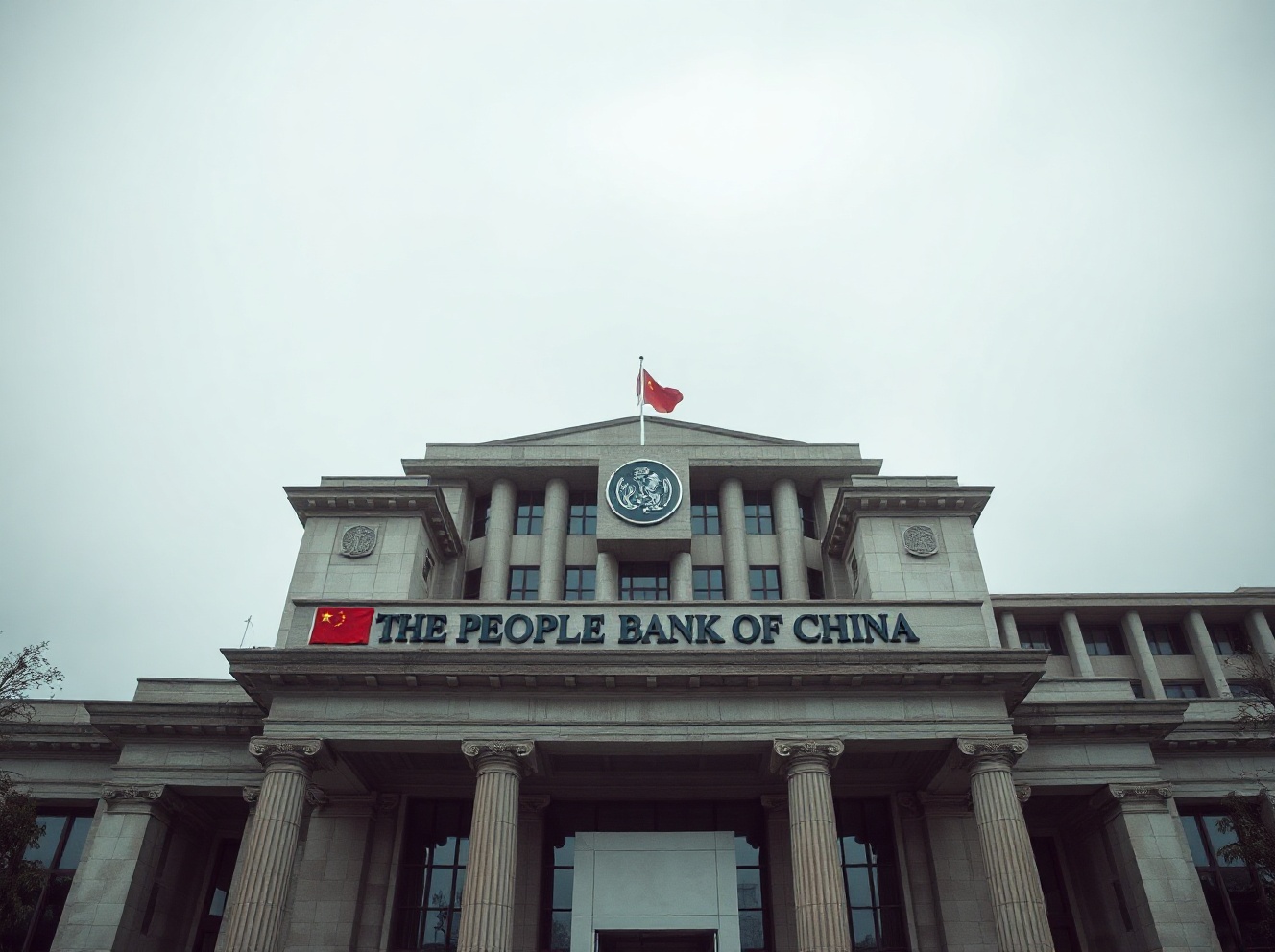 PBOC Sets Yuan Reference Rate at 6.7905 per Dollar, Weaker Than Previous Fix
The People’s Bank of China (PBOC) set the daily yuan reference rate at 6.7905 per U.S. dollar on [Date], slightly weaker than the previous fix of 6.7873, reflecting modest depreciation pressure on the Chinese currency amid global market conditions.
Understanding the PBOC’s Daily Fixing
The PBOC establishes a central parity rate for the yuan against the dollar each trading day, serving as a midpoint from which the currency can fluctuate within a 2% band. This fixing is a key signal of the central bank’s policy stance and market expectations. A weaker fix suggests the PBOC is allowing the yuan to adjust lower, potentially to support exports or in response to dollar strength. Conversely, a stronger fix indicates confidence in the currency.
Market Context and Implications
The slight adjustment in the reference rate comes amid ongoing trade tensions and divergent monetary policies between the U.S. and China. A weaker yuan makes Chinese goods cheaper for foreign buyers, potentially boosting exports, but it can also increase capital outflow pressures. For investors, the daily fixing provides a benchmark for pricing Chinese assets and managing currency risk. The move is closely watched by global markets as an indicator of China’s economic direction and its stance in international trade negotiations.
Why This Matters to Readers
For businesses engaged in trade with China, a weaker yuan can affect profit margins and competitiveness. For investors holding Chinese assets or yuan-denominated securities, exchange rate movements directly impact returns. Additionally, the PBOC’s policy signals influence global currency markets and can affect other emerging market currencies. Understanding these dynamics helps readers make informed decisions in international trade and investment.
Conclusion
The PBOC’s daily reference rate is a crucial indicator of China’s monetary policy and economic health. The modest weakening to 6.7905 reflects ongoing market pressures and policy considerations. As global economic conditions evolve, the yuan’s trajectory will remain a key focus for policymakers, businesses, and investors worldwide.
FAQs
Q1: What is the PBOC’s daily reference rate?The PBOC sets a central parity rate for the yuan against the U.S. dollar each trading day. It acts as a midpoint for the currency’s trading, with fluctuations allowed within a 2% band. This rate is used as a benchmark for various financial transactions and reflects the central bank’s policy stance.
Q2: Why does the PBOC adjust the reference rate?The adjustment is based on a formula that considers market supply and demand, the previous day’s closing rate, and changes in a basket of currencies. It also reflects the PBOC’s policy objectives, such as supporting exports or managing inflation. The daily fix is a tool to guide the yuan’s value in an orderly manner.
Q3: How does a weaker yuan affect the global economy?A weaker yuan makes Chinese exports more competitive, potentially impacting trade balances globally. It can also influence capital flows, as investors may seek higher returns elsewhere. For other countries, it can affect their export competitiveness and monetary policy decisions, especially in emerging markets.
This post PBOC Sets Yuan Reference Rate at 6.7905 per Dollar, Weaker Than Previous Fix first appeared on BitcoinWorld.