Peter Obi, presidential candidate of the Nigeria Democratic Congress (NDC), has urged supporters and party candidates to register on SmartBallot, an app for grassroots mobilisation and electi
Peter Obi, presidential candidate of the Nigeria Democratic Congress (NDC), has urged supporters and party candidates to register on SmartBallot, an app for grassroots mobilisation and election monitoring. Technext tested the sign-up process on both the app and the website and reviewed the platform’s privacy policy, terms and FAQ. We found gaps that anyone handing over personal and political details should know about.
Obi announced the endorsement in a post on his official X account on Sunday. “I urge our supporters and NDC candidates to register on SmartBallot,” he wrote. He described it as a tool for organising communities and coordinating voters and agents.
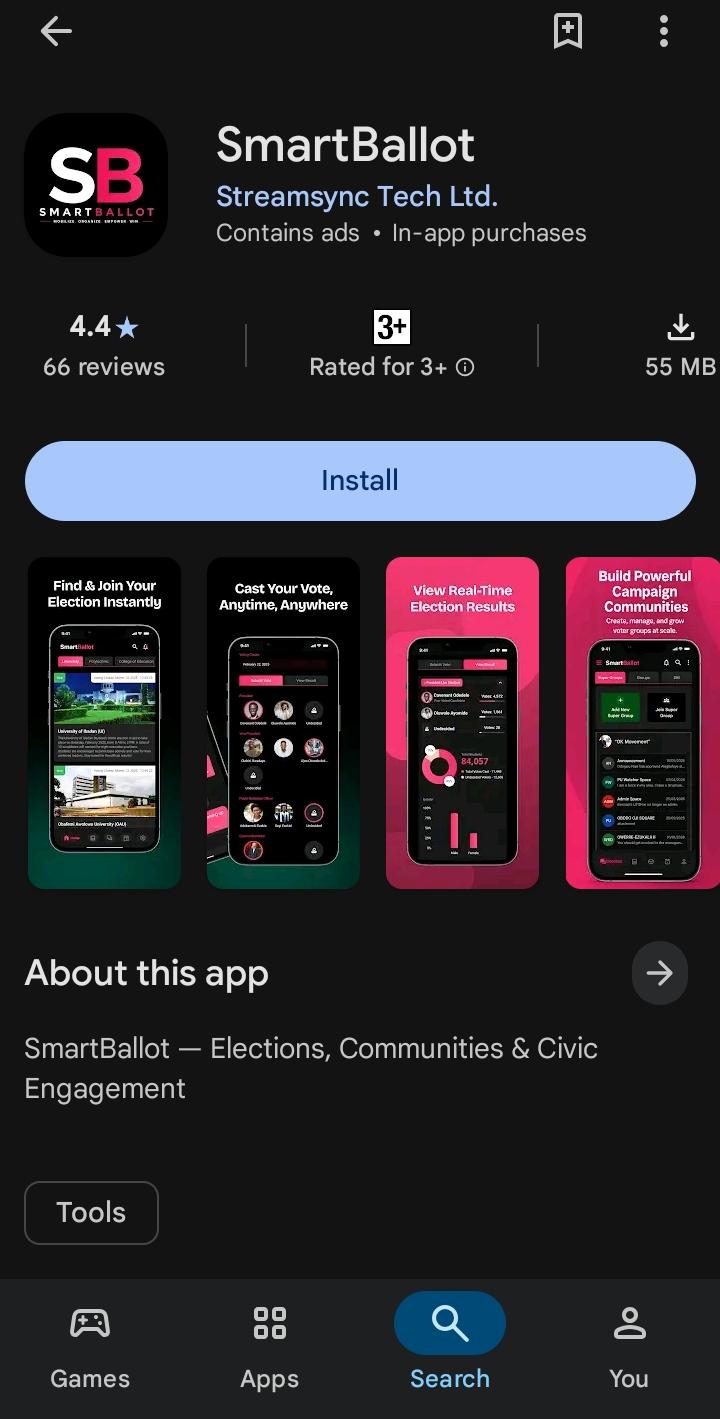
What Smartballot’s registration asks of you
We completed the sign-up on the Android app and opened the website’s registration form without submitting it. The app marks a long list of details as mandatory: full name, username, email, password, birth date, gender, invitation code, a social media platform and username, plus the user’s state, local government area (LGA), ward and polling unit. Only the polling unit code is optional.
The website takes a different route. Its form states “No invitation code needed” and sends a request to group admins instead. The platform’s X account, by contrast, asks interested users to send a direct message to receive an invitation code.
Both versions ask for the same core details, including birth date, gender and a social media username. The website adds an optional selfie, which it says “helps the admins recognise you.” It also makes agreement to being contacted by phone, SMS, or email mandatory. The page says admins will confirm users’ identity on WhatsApp, yet the form as displayed has no field for a phone number.
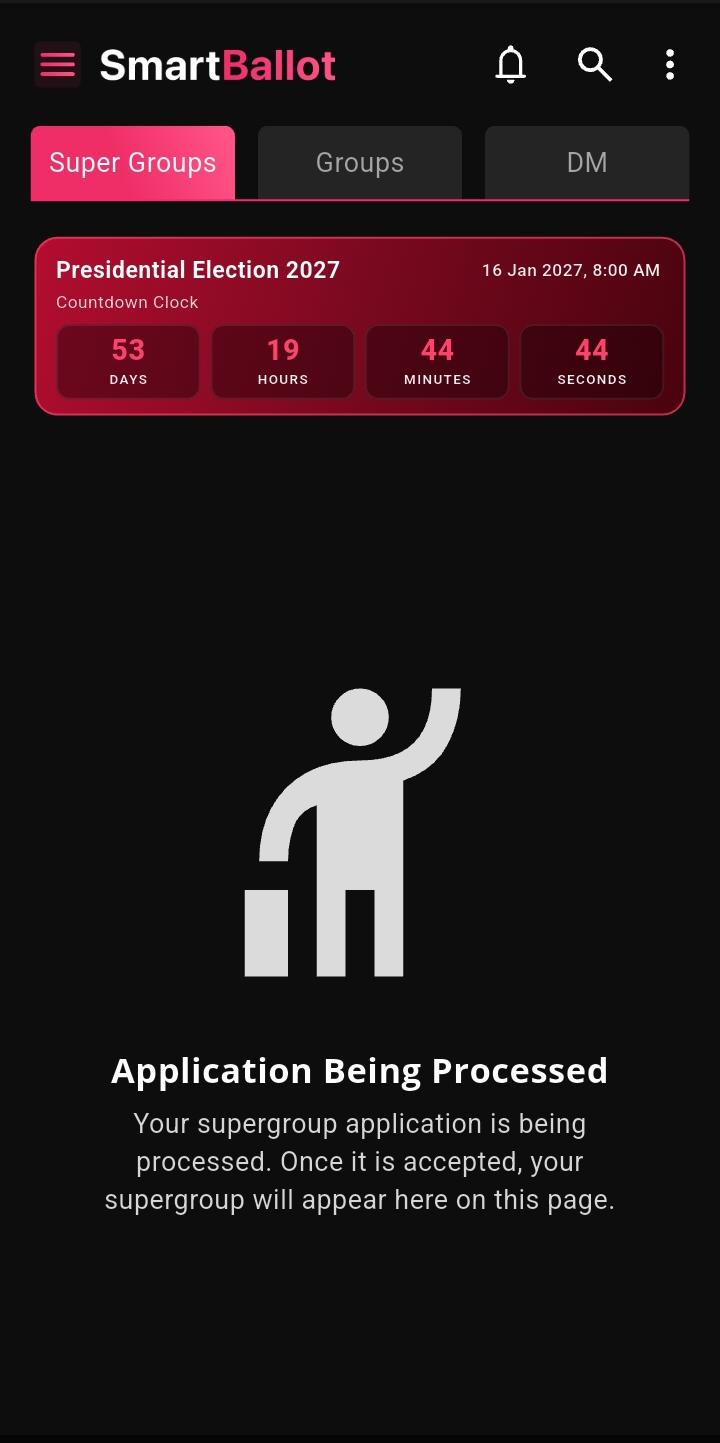
After registration, the app displayed “Application Being Processed” and a countdown to the 2027 presidential election, set for January 16, 2027.
Where the policy and the sign-up part ways
The privacy policy, effective since August, lists date of birth as collected “where legitimately necessary.” It lists gender as collected “where voluntarily supplied or legitimately required.” Both sign-ups make them compulsory. A social media username, also compulsory, does not appear among the items the policy lists. The policy mentions profile photographs but does not describe how selfies submitted for admin recognition are used or stored.
The policy acknowledges that membership of political groups may reveal a person’s political opinions. The Nigeria Data Protection Act (NDPA) treats those as sensitive personal data. The document promises an “appropriate lawful basis” without naming one. It also leaves open who controls the data, noting that the company, an institution or a SuperGroup operator could each be a controller or a processor.
Also read: Peter Obi joins TikTok to rally youths for a ‘new Nigeria’ as political figures embrace social media
The policy is silent on one feature the website promotes: an offline notepad for reaching neighbours without smartphones. The app’s store notes mention saving voter details and bulk-importing offline voters. That means admins can record details of people who never signed up, and the policy does not address how those people are protected.
Tracking and cookies
Apple’s App Store label, which the developer fills in and Apple does not verify, indicates that identifiers and usage data may be used to track users across other companies’ apps. It also lists advertising data. The policy’s list of uses includes no advertising or marketing.
The website gives visitors no cookie notice. Technext found no banner or consent prompt on the homepage or the registration page, and the policy never mentions cookies. It refers only to browser information and device identifiers. That leaves visitors with no stated way to know what is tracked or to opt out.
Claims that do not match
The FAQ calls the app a voting platform for “citizens,” states that it complies with Independent National Electoral Commission (INEC) guidelines, and cites the older NDPR and the US CCPA. The policy states the app is not used for voting in the national election and is separate from INEC’s systems. The FAQ also asserts that “No one — not even SmartBallot — can trace your vote.” The policy commits not to claim end-to-end encryption unless the architecture provides it.
Who is behind the app?
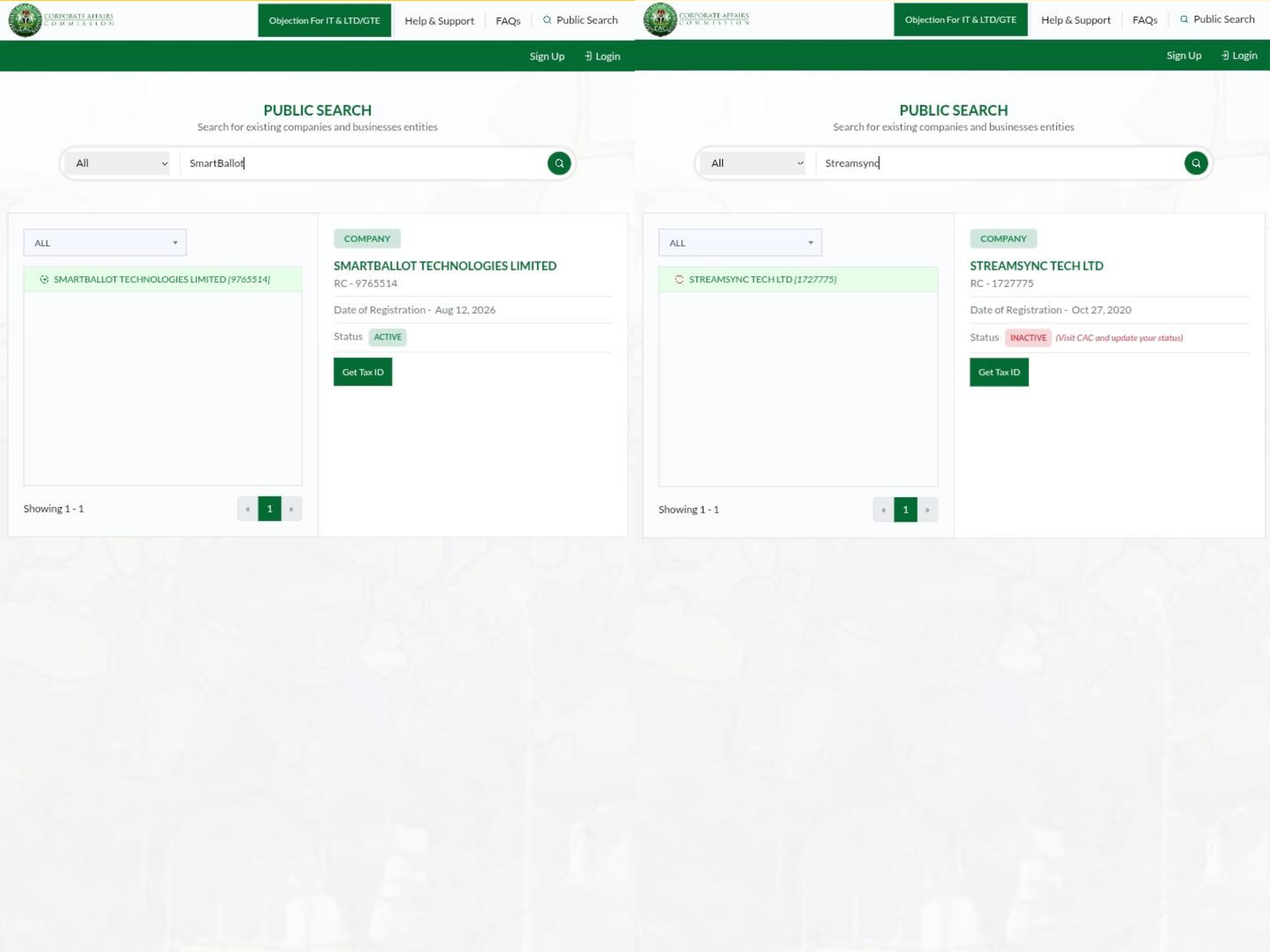
The website names Streamsync Tech Ltd. as the company, with addresses in Toronto and Lagos. The Corporate Affairs Commission (CAC) lists SmartBallot Technologies Limited, registered in August and active. A CAC entry for Streamsync Tech Ltd, registered in 2020, shows as inactive. Technext could not confirm whether it is the same company as the Toronto firm. The Terms refer to a “Canadian SmartBallot entity” and a “Nigerian SmartBallot entity” without naming either.
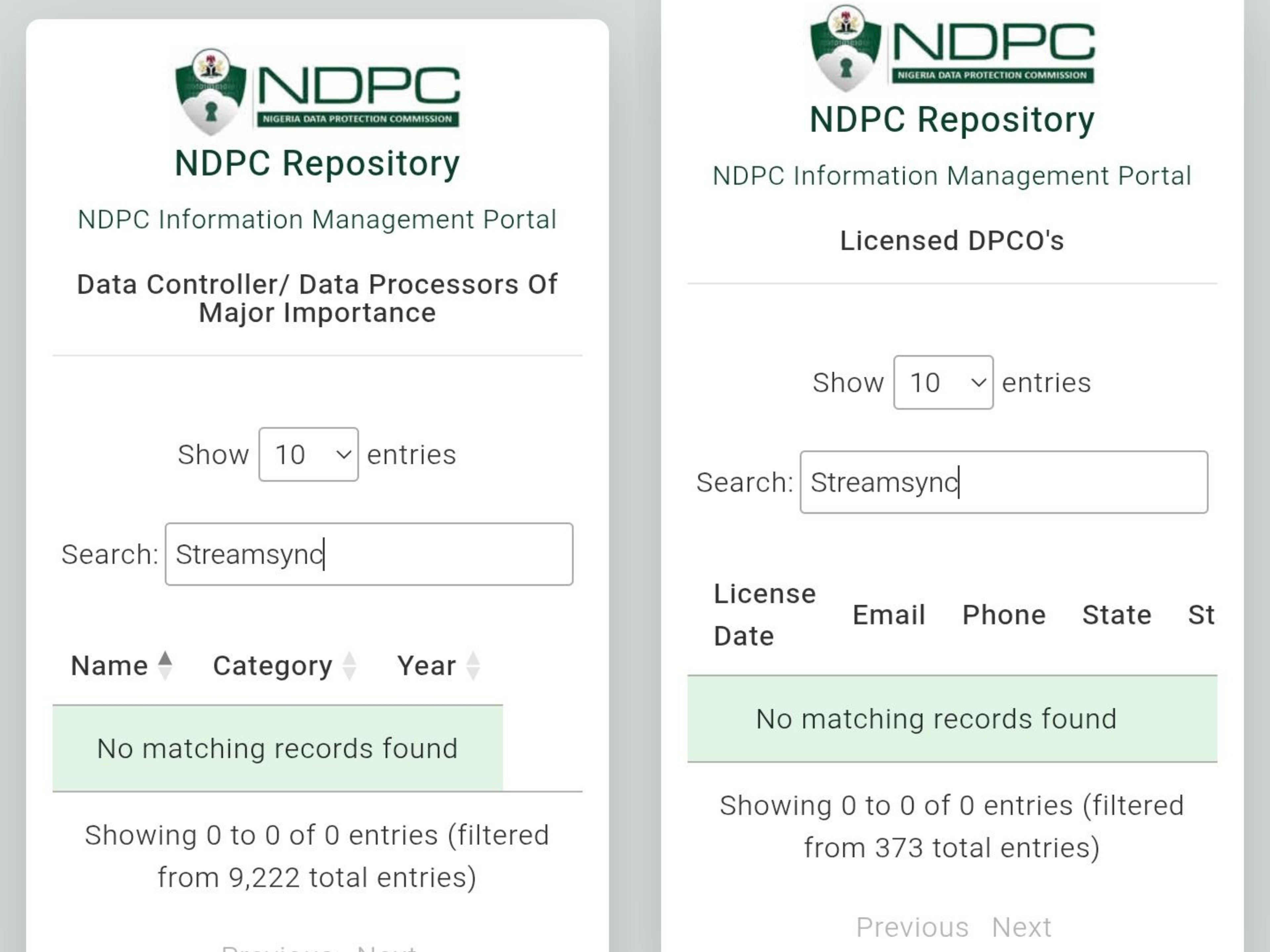
The NDPA requires data controllers and processors of major importance to register with the Nigeria Data Protection Commission (NDPC). A search for Streamsync on the NDPC repository returned no record in the major-importance list or the licensed data protection compliance organisation list. That is not proof of a breach, because the NDPC designates who qualifies. The policy says only that the company may undertake registrations where required, without stating whether it has.
Technext could not obtain comment from the company or Obi’s team before publication.
What users report
The app has a 4.4 rating on Google Play, but reviews from late October mostly describe problems. One user could not create an account after repeated “username has been used” errors.
Another had waited more than two weeks for access. A third could not register without an invitation code, which matches the app’s mandatory field.