The Philippines’ central bank has restricted banking access for Coins.ph, one of the country’s largest cryptocurrency exchanges, amid allegations that its payment infrastructure processed tra
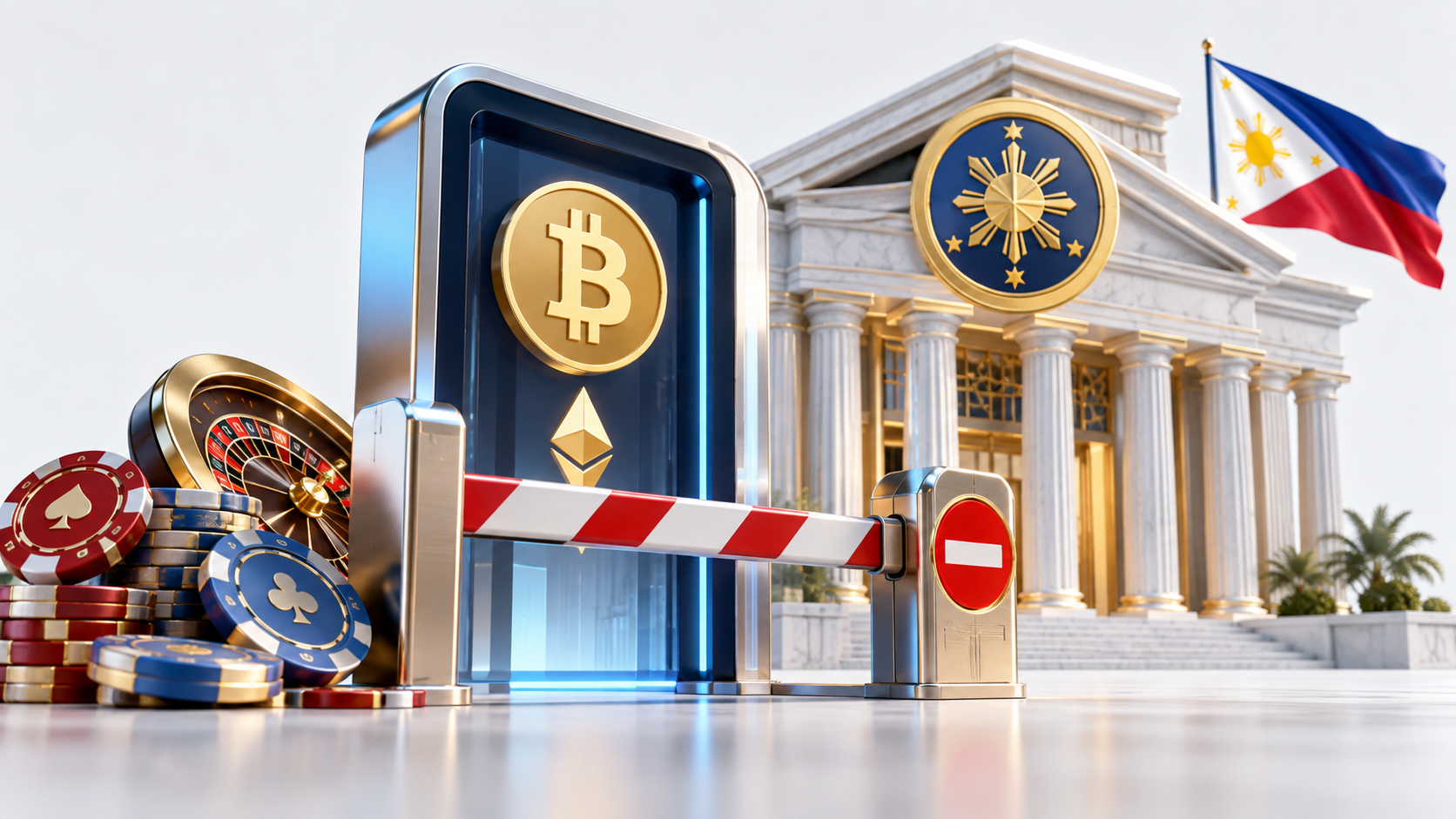
The Philippines’ central bank has restricted banking access for Coins.ph, one of the country’s largest cryptocurrency exchanges, amid allegations that its payment infrastructure processed transactions connected to prohibited offshore gambling operations.
The Bangko Sentral ng Pilipinas (BSP) suspended incoming transfers to DCPay Philippines, the electronic money issuer operating Coins.ph’s peso wallet services, on September 29. The restriction prevents customers from funding their accounts through InstaPay and PESONet, two major domestic payment networks.
Coins.ph has confirmed the suspension of peso cash-ins, stating that the BSP required improvements to its internal controls. Cryptocurrency trading, cash-outs, bill payments and QRPh merchant payments remain available.
The gambling-related allegations have not been established through a public enforcement finding. Reports citing people familiar with the situation have raised the possibility of further regulatory action against the exchange.
BSP Restricts DCPay’s Access to Payment Networks
The restrictions were communicated to participating financial institutions through Philippine Payments Management Inc. Advisory No. 2026-0929-029, issued under BSP Monetary Board Resolution No. 839.
DCPay can no longer receive incoming credit transfers through InstaPay or PESONet. The measure also affects incoming QR-based transfers and QRPh collection services, preventing customers from transferring pesos into their Coins.ph wallets through supported banking channels.
The exchange operates through two separately regulated entities. DCPay manages electronic money and fiat payments, while Betur Inc. holds the virtual asset service provider authorization used for cryptocurrency trading and custody.
Betur’s cryptocurrency license has not been suspended.
Coins.ph has told customers that their funds remain safe and that it is working with the central bank to satisfy the required controls. Its official service status page has tracked the disruption affecting peso deposits.
Offshore Gambling Allegations Raise Licensing Concerns
The restrictions come amid allegations that Coins.ph processed payments involving offshore gambling businesses affected by the Philippine government’s crackdown on Philippine Offshore Gaming Operators (POGOs).
The authorities have targeted offshore gambling operations over concerns involving money laundering, fraud and other financial crimes.
In August 2025, the BSP issued Memorandum M-2025-029, ordering supervised financial institutions to remove in-app access to gambling websites and services within 48 hours.
The directive prohibited payment applications from linking customers directly to gambling platforms while regulators developed additional standards for gambling-related transactions.
The memorandum does not itself establish wrongdoing by Coins.ph. The precise regulatory findings behind the September 2026 restrictions have not been publicly detailed.
Further enforcement against the exchange’s cryptocurrency business would require action affecting Betur’s separate authorization.
Coins.ph Restrictions Threaten a Major Peso-to-Stablecoin Gateway
Coins.ph has served Philippine cryptocurrency customers for more than a decade and reportedly handles approximately 75% to 80% of the country’s peso-to-stablecoin liquidity.
The reported market share has not been independently established through published regulatory trading figures, but the interruption to banking deposits directly affects customers seeking to convert Philippine pesos into digital assets.
The restrictions also arrive during broader regulatory scrutiny of cryptocurrency platforms across Asia.
South Korea recently blocked 27 overseas cryptocurrency exchange websites, including KuCoin, MEXC and BingX, after determining that their operators lacked the required domestic registration.
Philippine authorities have separately questioned Binance’s local licensing arrangements, emphasizing that participation in a securities regulatory sandbox does not replace central bank authorization for virtual asset services.
The BSP has also tightened virtual asset listing requirements for licensed cryptocurrency businesses.
Coins.ph continues to offer cryptocurrency trading through Betur while its peso deposit restrictions remain in place. The exchange has not announced a confirmed restoration date for InstaPay and PESONet cash-ins.
The post Philippines Restricts Coins.ph Banking Access Over Alleged Offshore Gambling Links appeared first on Crypto Adventure.