BitcoinWorld Poland’s Fuel-Driven Inflation Rise Contained, ING Says Poland’s recent uptick in inflation, driven primarily by fuel prices, is expected to remain contained, according to a new
BitcoinWorld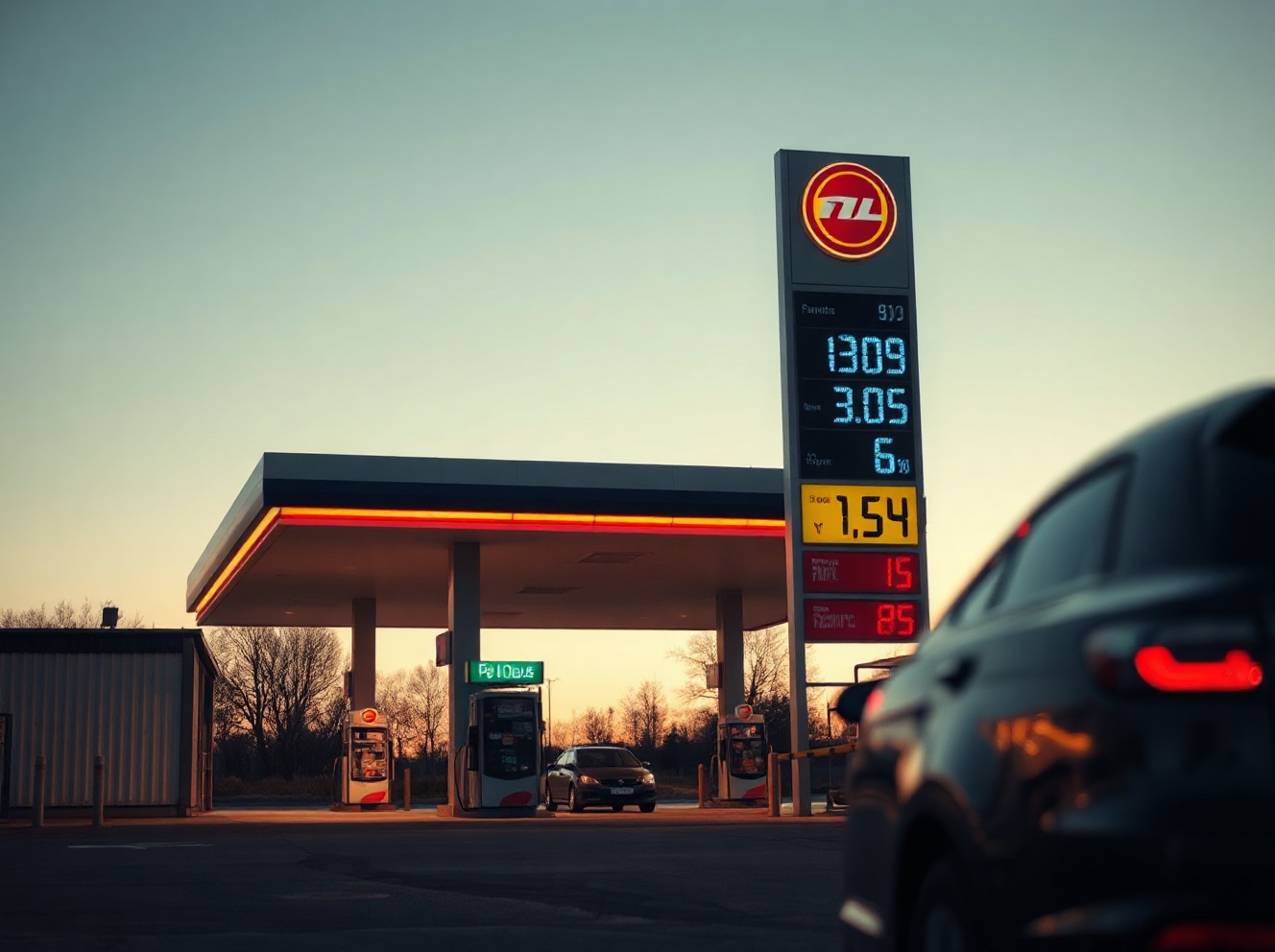 Poland’s Fuel-Driven Inflation Rise Contained, ING Says
Poland’s recent uptick in inflation, driven primarily by fuel prices, is expected to remain contained, according to a new analysis from ING. The bank’s economists noted that while headline inflation rose in early 2025, the underlying pressures remain subdued, offering room for the central bank to consider rate cuts later this year.
Understanding the Inflation Dynamics
As of the latest data, Poland’s consumer price index (CPI) showed a modest increase, largely attributed to higher fuel costs. However, ING’s report emphasizes that this is a temporary effect rather than a sign of sustained inflationary pressure. Core inflation, which excludes food and energy, has been on a downward trend, indicating that domestic demand pressures are easing.
The rise in fuel prices is linked to global oil market volatility and geopolitical factors, but ING analysts suggest that the pass-through to broader prices remains limited. This is partly due to the zloty’s relative stability and the government’s measures to cushion energy costs for households.
Implications for Monetary Policy
For the National Bank of Poland (NBP), the contained inflation trajectory could open the door for policy easing. ING projects that if inflation continues to moderate, the NBP may begin cutting interest rates in the second half of 2025. This would support economic growth, which has been sluggish, without risking a significant overshoot of the inflation target.
However, ING also cautions that the central bank will likely remain data-dependent, watching for any second-round effects from wage growth or a sharp depreciation of the zloty. The bank’s baseline scenario assumes a gradual normalization of monetary policy, with the reference rate potentially falling to 4.00% by the end of the year.
Why This Matters to Consumers and Businesses
For Polish households, the contained inflation means that purchasing power is less eroded than in previous years. Real wage growth has turned positive, and the labor market remains tight, supporting consumption. For businesses, lower borrowing costs could stimulate investment, especially in manufacturing and services.
Moreover, the stability of inflation expectations is crucial for long-term planning. ING’s analysis suggests that the current fuel-driven spike is unlikely to derail the disinflation process, providing a more predictable environment for economic decision-makers.
Conclusion
In summary, ING’s assessment points to a contained inflation rise in Poland, with fuel prices being the primary culprit. The broader disinflation trend remains intact, and the NBP may soon have room to ease policy. While risks remain, particularly from external shocks, the current data supports a cautious optimism for Poland’s economic outlook.
FAQs
Q1: What caused the recent rise in Poland’s inflation?The rise is mainly due to higher fuel prices, influenced by global oil market conditions. Core inflation, excluding food and energy, has been declining.
Q2: How might this affect interest rates in Poland?ING suggests that if inflation remains contained, the National Bank of Poland could start cutting rates in the second half of 2025, potentially lowering the reference rate to 4.00% by year-end.
Q3: What does this mean for the Polish economy?Contained inflation supports consumer purchasing power and business investment, fostering a more stable economic environment. It also reduces the urgency for aggressive monetary tightening.
This post Poland’s Fuel-Driven Inflation Rise Contained, ING Says first appeared on BitcoinWorld.