@Polkadot is leading major blockchain networks in a decentralization comparison based on the Nakamoto Coefficient, according to public Chainspect data. The Nakamoto Coefficient counts the min
A
AnonymousCryptoCompass newsroom
September 15, 2026
2 min read
NEWS
CryptoCompass editorial visual for altcoins coverage.
@Polkadot is leading major blockchain networks in a decentralization comparison based on the Nakamoto Coefficient, according to public Chainspect data. The Nakamoto Coefficient counts the minimum number of entities that must cooperate to compromise a blockchain's consensus, making it one of the most widely cited indicators of network resilience.
178: A Number That Stands Alone
@Polkadot has recorded a Nakamoto Coefficient of 178, meaning at least 178 independent actors would need to coordinate a successful attack on the network. TON Blockchain (@ton_blockchain) and Avalanche (@avax) are the closest rivals, with scores of 88 and 24 respectively, highlighting a significant gap at the top of the rankings. This ranking reflects the protocol's consistent approach to maintaining a decentralized validator set.
Polkadot's strong position is partly structural. Its use of Nominated Proof of Stake (NPoS) promotes validator diversity by allowing nominators to delegate stake across multiple validators, reducing the risk of power concentration. According to Gate Learn, this design results in a broader and more balanced distribution among validators compared to many competing networks.
A Useful Metric, But Not the Full Picture
While Polkadot's lead is meaningful, analysts caution against reading the Nakamoto Coefficient in isolation. Decentralization also involves stake distribution, client diversity, governance structures, infrastructure dependencies, and real-world control. The metric is a snapshot, not a trend, and it cannot measure intent or off-chain power dynamics.
Polkadot was designed around shared security, parachains, validators, nominators, and governance, giving it a distinctive security model that differs from most single-chain networks. That structural difference can make direct comparisons with other blockchains complex, but it also underpins the protocol's high decentralization score.
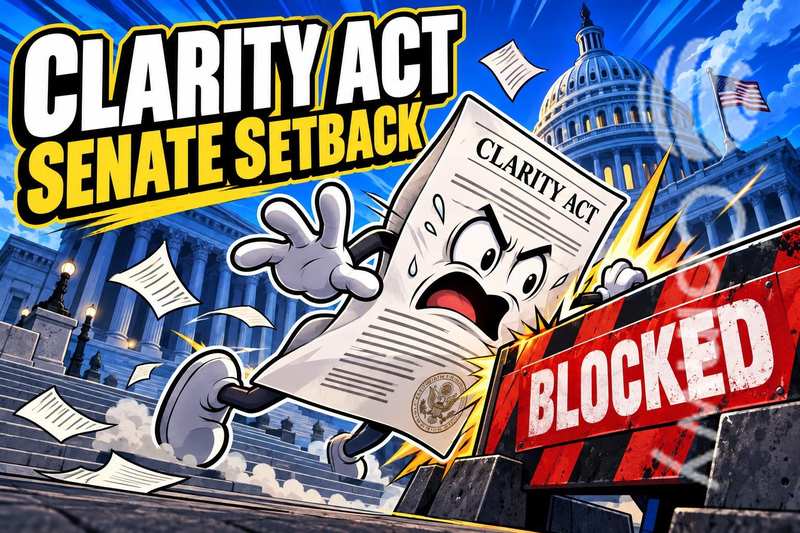
The CLARITY Act, Congress’ most ambitious effort to establish a federal framework for crypto markets, failed to advance in the U.S. Senate on Sept. 15, dealing a setback to legislation that w
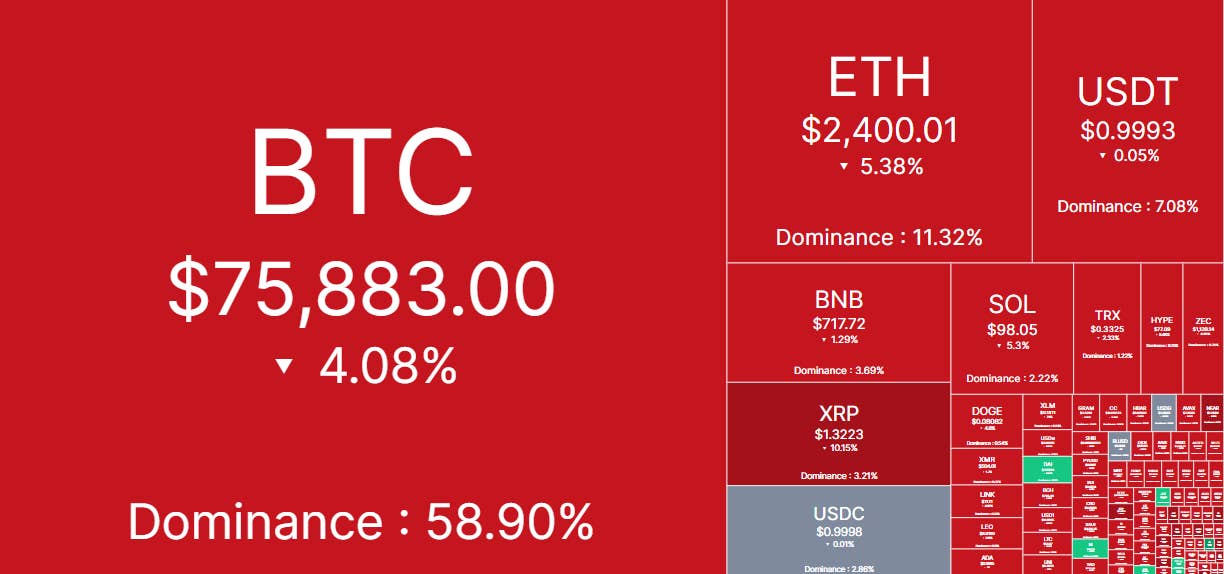
The CLARITY Act failed to advance in the Senate, according to unconfirmed reports circulating on September 15, 2026, a reported setback for the digital asset market bill even as no official S
Key Insights Crypto market slips as the CLARITY Act fails to advance after the Senate cloture vote records 39 votes in favor and 36 against. The motion needed 60 Senate votes to proceed, requ