The U.S. Office of the Comptroller of the Currency (OCC) has a message for community banks worried about stablecoins: get in the game. In an X post on Oct. 27, the OCC said it wants community
The U.S. Office of the Comptroller of the Currency (OCC) has a message for community banks worried about stablecoins: get in the game.
In an X post on Oct. 27, the OCC said it wants community banks to “help shape the future of payments.” It encouraged interested banks, or their subsidiaries, to consider applying to become permitted payment stablecoin issuers. The agency tied the push to its “Community Bank Comeback” initiatives, aimed at easing regulation so smaller lenders can grow and compete.
Applications are not open yet.
Related: Bitcoin, AI stocks and Elon Musk: Analyst makes 3 bold predictions investors can't ignore
Why now
The invitation comes five days after the OCC finalized its U.S. dollar stablecoin rulebook.
On Oct. 21, the OCC issued its final rule under the GENIUS Act, the stablecoin law President Donald Trump signed in July 2025.
The law bars anyone other than a permitted issuer from issuing a payment stablecoin in the U.S. The OCC’s rule takes effect Jan. 18, 2027. Issuers that don’t comply after that date face criminal penalties.
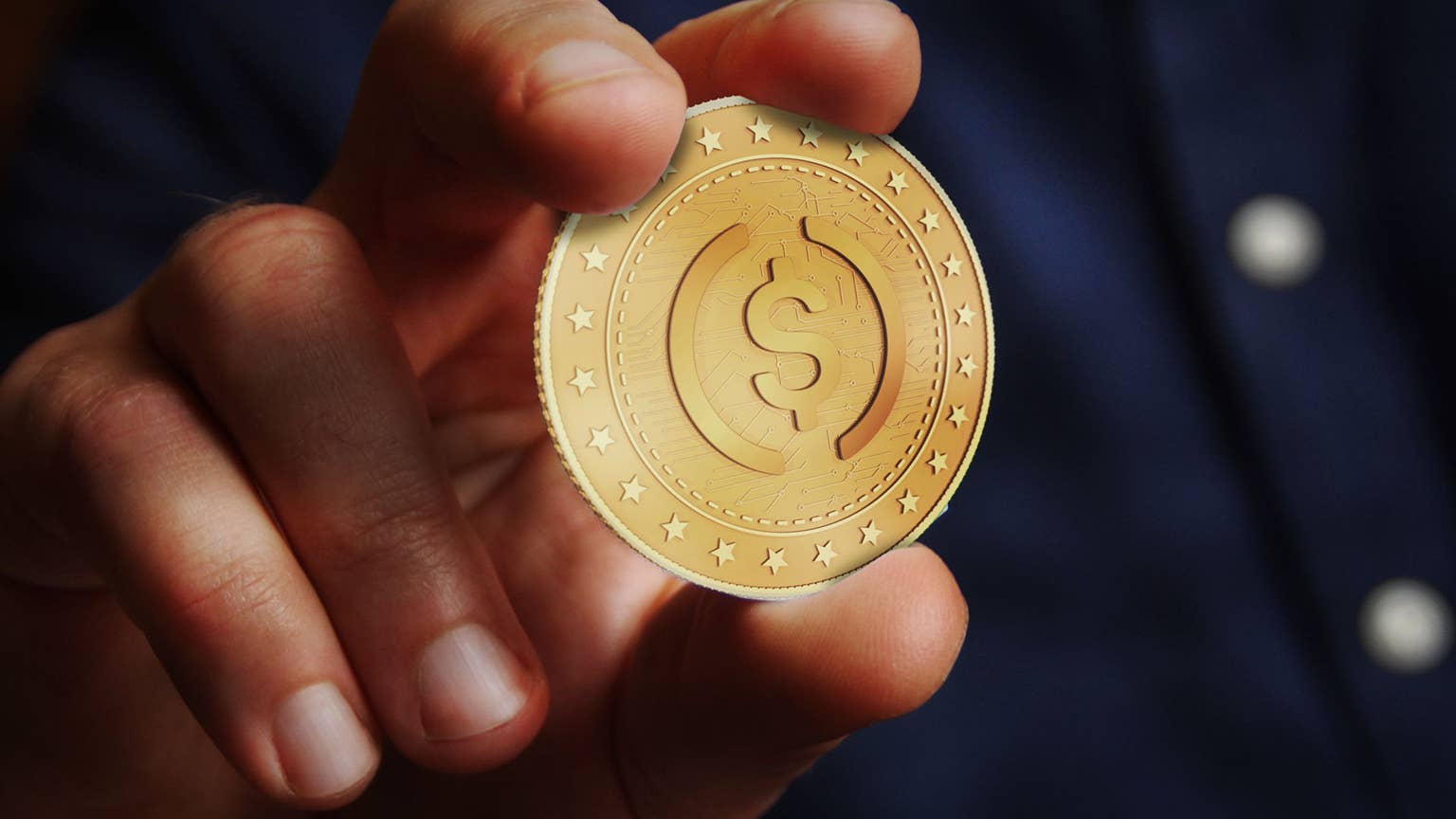
Stablecoins are cryptocurrencies designed to hold a steady value, usually $1, and are widely used to move money across crypto markets.
Before the GENIUS Act, the US had no federal framework for them. The law requires that issuers must be licensed, and crypto platforms can’t offer stablecoins to Americans unless they come from a permitted issuer or a foreign issuer that meets U.S. requirements.
Under the OCC’s rule, reserves backing the tokens must be held only in approved assets such as Treasury securities and bank deposits. For banks, that turns stablecoins from an outside threat into a regulated product they can issue themselves, which is exactly what the OCC is now pitching.
Washington is selling the rule hard.
Treasury Secretary Scott Bessent compared the GENIUS Act to Abraham Lincoln’s 1863 National Currency Act, which created a national framework for bank-issued currency. Comptroller Jonathan Gould described the rule as a clear, practical framework for stablecoin innovation.
More on TheStreet Roundtable
Banks aren’t buying it
The biggest fight is over yield.
The GENIUS Act bans issuers from paying interest directly to stablecoin holders. But the OCC dropped a proposed provision that would have barred crypto exchanges and other third parties from offering rewards on idle stablecoin balances.
The American Bankers Association said the final rule preserves the status quo for crypto platforms, despite what it called Congress’s intent to protect local lending.
The Independent Community Bankers of America (ICBA) cited its own analysis that stablecoin adoption could reduce community bank lending by at least $850 billion in the coming years. The worry is that customers move their savings out of insured local deposits and into digital dollars that pay higher rewards.
The fight has also reached the courts.
The ICBA has sued the OCC in federal court in Washington, arguing that the agency’s rule letting crypto and other nontraditional firms obtain national trust bank charters violates federal law.
Circle Internet Group (NYSE:CRCL) and Coinbase (Nasdaq: COIN) executives welcomed the final rule as an important milestone.
Can a small bank really compete?
Under the OCC’s rule, new issuers need at least $5 million in capital, a minimum that doesn’t expire. They must keep at least 5% of reserves as daily liquidity, and they face annual examinations, weekly reporting and monthly public disclosure of their reserves.
For a small-town lender, building and running a stablecoin is a challenging task. The OCC’s invitation opens the door, but it doesn’t close the gap.
The Roundtable 100
If you follow our market coverage, don’t miss the Roundtable 100. Updated every Friday, it's a power ranking of the 100 most investable tech stocks, including digital assets. Check out the latest RTB 100 rankings at roundtable100.com.
Related: Jack Dorsey's new AI voice assistant sounds human. Too human.