Markets6 min read
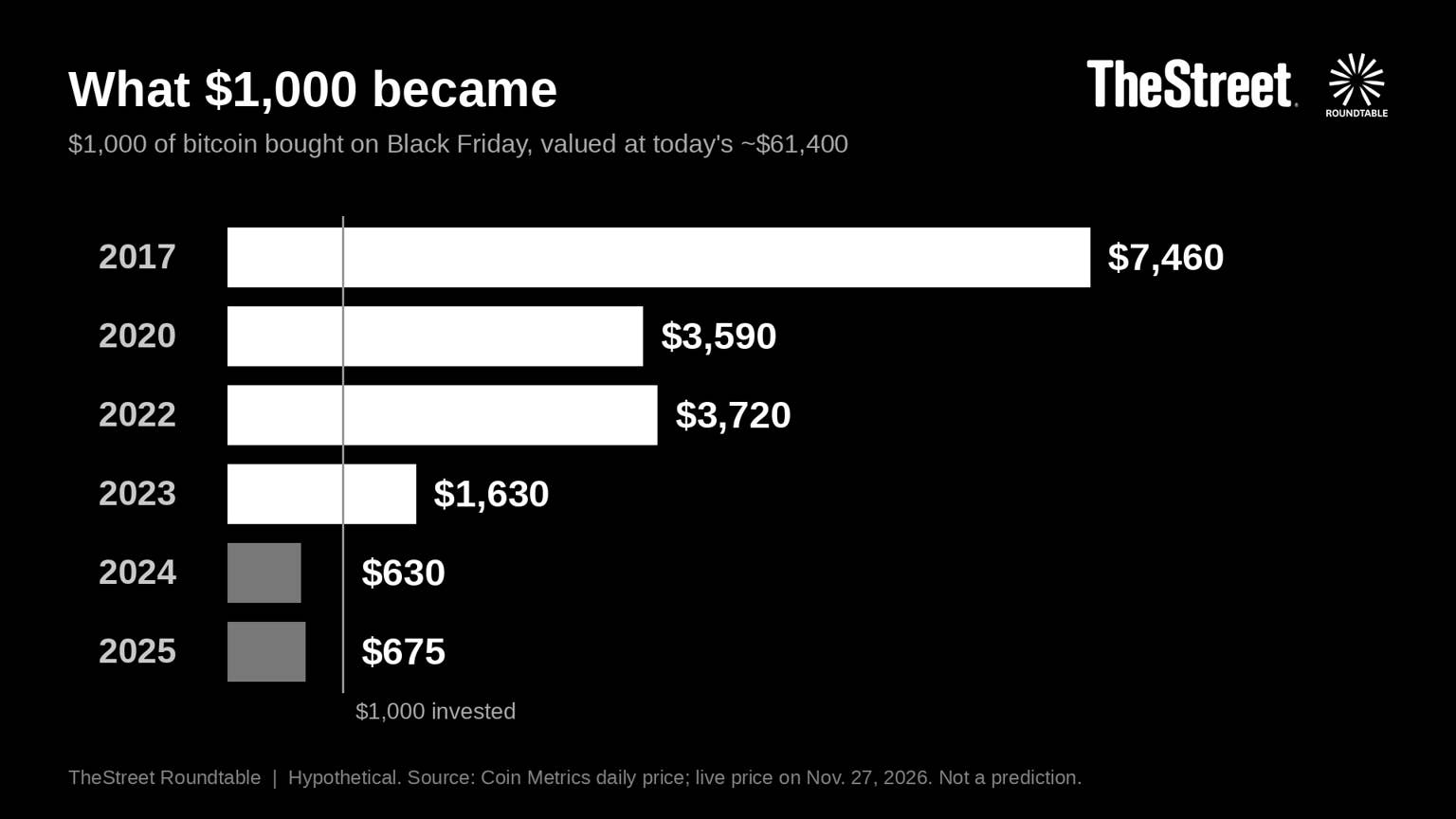
One asset is 51% off this Black Friday
On Black Friday 2017, one bitcoin cost $8,232. Three weeks later it hit $19,641. A year after that it traded at $3,185. Check the price on every Black Friday since and you see a bubble, a bus
Report a Crypto Scam: A Calm Checklist for the First Hour The first hour after a scam matters most. Money may still be moving, and evidence is easy to lose. A calm checklist beats panic every
The first hour after a scam matters most. Money may still be moving, and evidence is easy to lose. A calm checklist beats panic every time.
Knowing how to report a crypto scam fast gives investigators a real chance to trace the funds. This guide is for victims, worried family members and beginners anywhere in the world. It explains what to save, where to file, how to approach an exchange and how to stay safe from a second scam. Many of these cases follow patterns covered in thiscrypto scam security guide.
Start by stopping the loss: Do not send another coin, even if the scammer demands a "release fee" or "tax" to unlock funds. That demand is part of the trap.
Next, capture proof: Take screenshots of chats, profiles, websites and app screens before blocking anyone. Deleting a conversation can destroy the very evidence investigators need.
Then secure the accounts: Disconnect the wallet from suspicious sites and revoke token approvals. Move any remaining funds to a new wallet with a fresh recovery phrase. Change passwords, lock down the email account and switch on app-based two-factor authentication. If bank or card money was involved, call the bank right away.
Deepfake livestreams and cloned voices make all of this harder. A fake adviser, celebrity or relative can look and sound real. A familiar face proves nothing, so any money request needs a check through another channel.
Fake tokens count as fraud too. Thisrug pull guide explains the warning signs.
FBI guidance for victims puts transaction details first. Partial information is still worth sending, since investigators can often fill the gaps.
The key items are:
Wallet addresses: the victim's, the scammer's and any exchange deposit address
Transaction hash: the long ID code of each transfer
Amount, token and network, plus the date and time with time zone
Chats, emails, texts, usernames and phone numbers
Website names, app names and download links
Exchange names, receipts and bank statements
A simple timeline helps too. Note where the scammer first appeared, what was promised and when each payment left the wallet. Keep original files, not only screenshots, because metadata can matter later.
Terms like wallet address or transaction hash are explained in thecrypto dictionary.
Filing in more than one place is normal. Police reports drive investigations. Consumer agencies track trends and warn the public.
United States: File with the FBI's Internet Crime Complaint Center at ic3.gov and with the FTC at ReportFraud.ftc.gov. A local FBI field office also accepts reports.
United Kingdom: Use Report Fraud, which replaced Action Fraud in England, Wales and Northern Ireland. The phone line is 0300 123 2040. Scotland uses Police Scotland on 101.
European Union: No single portal covers every member state. Start with the national police or cybercrime unit, then tell the bank or exchange.
Australia: Report to police through ReportCyber and to Scamwatch, which tracks scam trends. IDCARE offers recovery support.
Chainabuse, a public scam database, accepts wallet addresses and warns others. It does not replace a police report.
Romance-led cases follow their own script. An FTC warning on crypto love scams is a useful background.
Coverage of acrypto investment scam in India shows the same tactics outside the West.
First, paste the receiving address into a block explorer. A label showing an exchange deposit address is a good sign. It means the funds may still sit on a regulated platform.
Then open a support ticket, ideally through the fraud or compliance form. A clear ticket includes:
A subject line such as "Urgent fraud report: request to freeze deposit address"
Account details and the police case number
Transaction hash, destination address, amount and time
A short statement that the funds came from fraud
A request to hold the funds and keep records for law enforcement
Exchanges cannot reverse blockchain transfers. They generally freeze accounts through internal processes or when a legal process arrives, so a case number helps.
Some stablecoin issuers can freeze tokens at a specific address, usually after a verified request from authorities. Speed matters because funds can move within hours.
Official guidance supports a sober view. Recovery is never guaranteed, yet reports are what make seizures possible.
TheIRS Criminal Investigation release says freezes and seizures by the multi-agency Scam Center Strike Force have topped $580 million. Prosecutors say they will seek forfeiture and return funds to victims to the maximum extent possible.
The same release cites estimates that this scam industry defrauds Americans of nearly $10 billion per year. Clean transaction data helps tie one victim's report to a wider case.
Victims often get targeted a second time. Scammers search social media and messaging apps for loss stories, then offer tracing or recovery help.
An FBI Federal Bureau of Investigation alert on fake recovery companies explains the usual pattern. The fraudster charges an upfront fee, then disappears or sends an incomplete tracing report and asks for more money. Private recovery companies also cannot issue seizure orders.
Common red flags include:
Upfront fees or "tax" payments
Guaranteed recovery or claims of hacking the scammer back
Unsolicited messages after a public post about the loss
Requests for a recovery phrase or remote access
Callers posing as police who quote a report number
Australian authorities have also warned about false ReportCyber reports used to pose as officers.
To report a crypto scam well, speed and clean records matter more than perfect wording. Stop transfers, secure accounts, save every hash and file with the right agency. Then ask the exchange for a hold, and never pay a recovery agent.
Studying thecommon crypto scams also helps spot the next trap before money moves.
Disclaimer:
This article is for educational and informational purposes only and should not be considered financial, legal or investment advice. Reporting procedures can change, so details should be confirmed on each official website before filing.