Binance has reportedly launched bStocks, a new product enabling 24/7 trading of tokenized U.S. securities on its platform. The offering aims to bring round-the-clock access to traditional equ
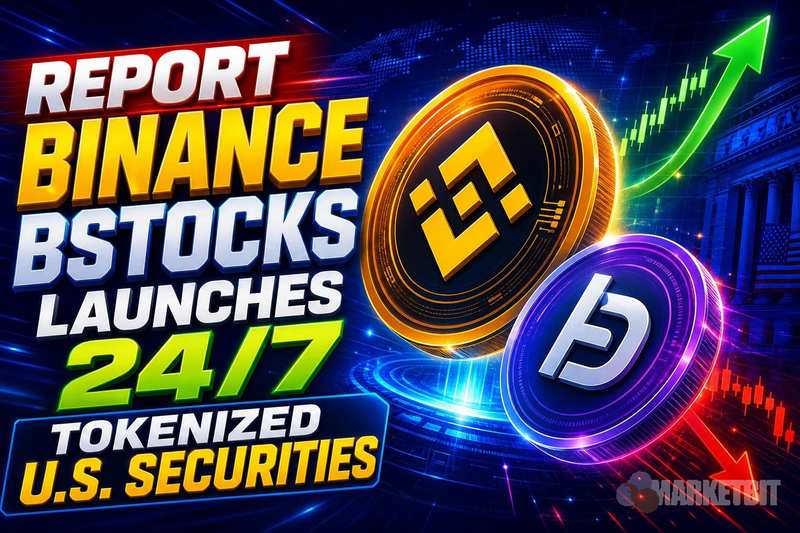
Binance has reportedly launched bStocks, a new product enabling 24/7 trading of tokenized U.S. securities on its platform. The offering aims to bring round-the-clock access to traditional equity exposure through crypto-native trading infrastructure.
The exchange detailed the product in a support announcement, positioning bStocks as a bridge between conventional stock market assets and the always-on nature of cryptocurrency exchanges.
According to a report from Crypto.News, the product focuses on tokenized versions of U.S. equities, allowing users to trade representations of familiar stocks without being restricted to traditional market hours.
What Binance says bStocks will offer
bStocks lets users trade tokenized U.S. securities at any time, including weekends and holidays. Traditional U.S. stock markets operate roughly 6.5 hours per day on weekdays, leaving significant gaps when traders cannot react to breaking news or global market shifts.
Crypto markets already run continuously, and Binance users are accustomed to that access. By applying the same 24/7 model to tokenized equities, bStocks targets a crossover audience: traders who want exposure to companies listed on U.S. exchanges but prefer the flexibility of crypto-style market access.
Why 24/7 tokenized securities matter for crypto markets
This development arrives as regulators continue examining how tokenized securities fit within existing frameworks. The U.S. Securities and Exchange Commission's Division of Corporation Finance published a statement on tokenized securities, addressing how federal securities laws apply to blockchain-based representations of traditional assets.
The concept parallels broader institutional interest in bridging traditional finance and crypto rails. BlackRock and other asset managers have pushed tokenization initiatives in recent months, while regulators in the U.K. have proposed frameworks for crypto-linked exchange-traded products aimed at retail investors.
For crypto-native users, the appeal is straightforward: the ability to hold both digital assets and tokenized equity exposure within a single exchange account. This mirrors the kind of portfolio flexibility that has driven demand for products like spot Bitcoin ETFs, where recent flow dynamics around BlackRock's IBIT have shown how quickly capital moves when traditional assets become accessible through new structures.
The timing is notable given growing debate over the intersection of traditional equities and crypto markets, a theme that has surfaced in discussions ranging from high-profile investment theses around major crypto assets to exchange-level product strategy.
Key questions and risks surrounding the rollout
Several practical details will determine how significant bStocks becomes. Which specific U.S. securities are available at launch, whether fractional shares are supported, and what fee structure applies all remain important follow-up points for traders evaluating the product.
Geographic availability is another open question. Binance operates under varying regulatory conditions across jurisdictions, and tokenized U.S. securities carry product-structure considerations that may limit who can access bStocks.
The launch also raises questions about custody and settlement. Tokenized securities differ from direct stock ownership, and traders should understand whether bStocks tokens represent actual shares held by a custodian or synthetic exposure tied to price movements. These structural details affect investor protections and counterparty risk.
Traders and market observers should watch for Binance's follow-up announcements detailing the full list of supported assets, eligible jurisdictions, and the operational mechanics behind bStocks settlement.
Disclaimer: This article is for informational purposes only and does not constitute financial or investment advice. Cryptocurrency and digital asset markets carry significant risk. Always do your own research before making decisions.
Read original article on marketbit.net