One of the most important companies in crypto came within reach of disappearing entirely — and taking its plan for $XRP with it. In a candid talk this week, Ripple CEO Brad Garlinghouse revea
One of the most important companies in crypto came within reach of disappearing entirely — and taking its plan for $XRP with it. In a candid talk this week, Ripple CEO Brad Garlinghouse revealed just how close the firm came to shutting down and handing its XRP treasury to shareholders rather than fighting the SEC. Here is the xrp news today and why it still matters for the xrp price.
What Did Ripple's CEO Actually Reveal?
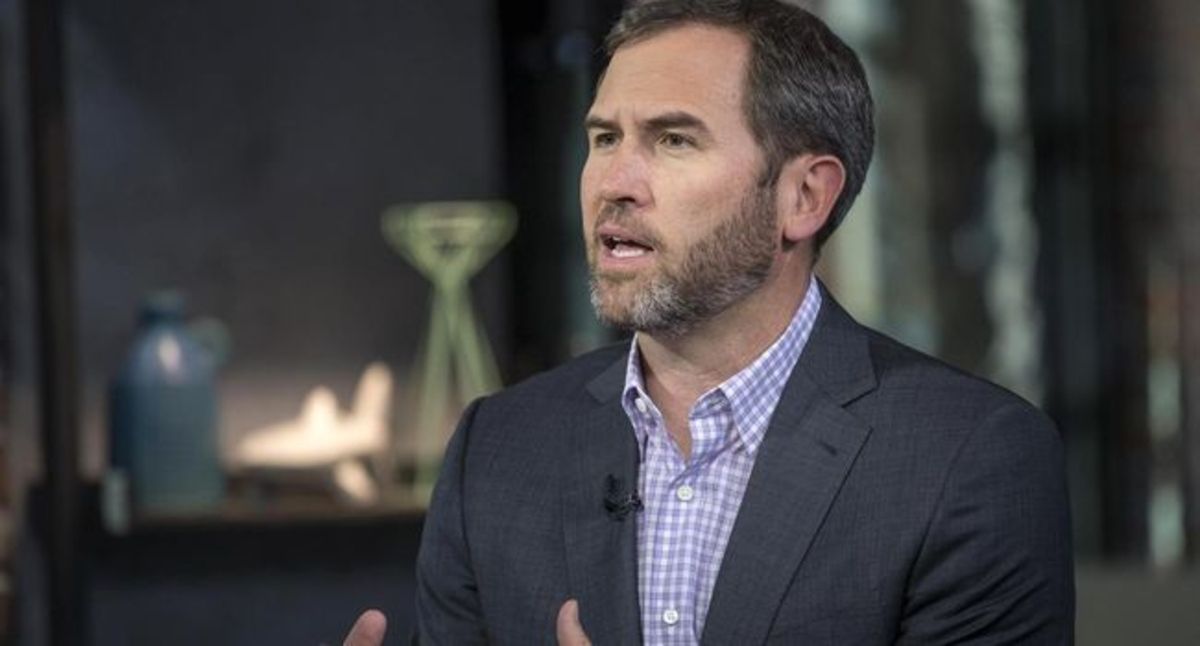
Speaking at the University of Kansas School of Business, Garlinghouse said he and co-founder Chris Larsen seriously considered winding Ripple down and distributing its XRP holdings to shareholders after the SEC sued the company in 2020. The mechanics were surprisingly simple: Ripple holds a large treasury of XRP, so the founders could have distributed those tokens to shareholders on a pro rata basis and wound the business down — a maneuver not unlike an airdrop to equity holders. Doing so would have ended the case outright, since Ripple could then tell the regulator it no longer held the asset the SEC claimed was a security.
Why Did Ripple Decide to Fight Instead?
According to Garlinghouse, the deciding factor was not confidence in winning — it was people. A shutdown would have put hundreds of employees out of work, while litigating kept the company operational. He was candid about how difficult the call was, saying he was glad in retrospect, but that it was not obvious at the time. Former CTO David Schwartz reinforced how dire things looked: the company received advice from lawyers that it was done, unsavable, and that leadership should cut a deal to save themselves.
How Much Did the SEC Fight Cost Ripple?
The price of standing its ground was steep. Garlinghouse put Ripple's four-year legal bill at roughly $150 million and confirmed the SEC named him and Chris Larsen personally. He argued the personal charges were a pressure tactic — Schwartz suggested the SEC named Garlinghouse and Larsen personally as a deliberate maneuver to weaken their resolve and force a quick capitulation. Garlinghouse also said he met SEC officials four times between 2017 and 2019 without a lawyer and was never warned that XRP might be treated as a security, feeding a long-standing industry complaint about regulation-by-enforcement.
How Did the XRP Lawsuit End?
Ripple ultimately won on the central question. Judge Analisa Torres ruled that XRP in itself is not a security, and the case was settled last year after a change in SEC leadership that took a more accommodating stance toward crypto. That outcome preserved XRP's primary corporate backer and kept development of its cross-border settlement rails alive — a very different ending from the one Ripple's own lawyers had predicted.
What Does This Mean for the XRP Price Today?
The revelation is a look back, not a new catalyst, so the immediate xrp price impact is muted — $XRP trades near $1.09, down around 1.4% on the day amid a broader market pullback. But there is a quieter bullish read underneath. On-chain data points to accumulation beneath the surface, with roughly 64.9 million XRP flowing into Binance against 49.2 million flowing out on July 7 — a net spot-buying imbalance of about 15.7 million XRP.
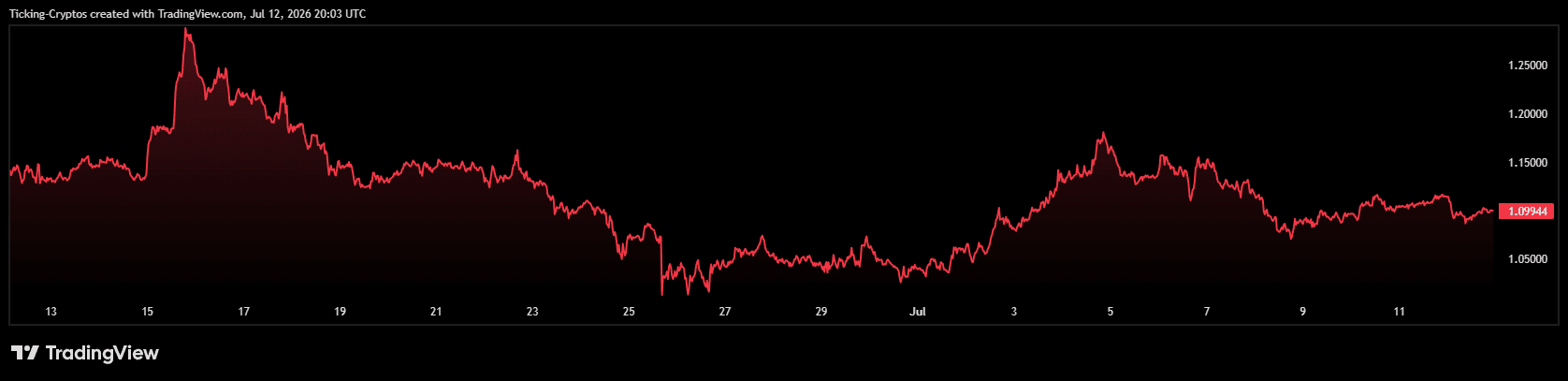
XRP Price in USD today
One important caveat: Schwartz later pushed back on the more dramatic headlines, saying his earlier comments were taken out of context and that he never claimed Garlinghouse seriously considered shutting the company down. Either way, the story is a reminder of just how existential the regulatory fight was — and how much of XRP's survival came down to a single decision.