Ripple CEO Brad Garlinghouse has declared that the “anti-crypto front” in the United States has effectively ended, citing a marked shift in political and legal attitudes towards digital asset
Ripple CEO Brad Garlinghouse has declared that the “anti-crypto front” in the United States has effectively ended, citing a marked shift in political and legal attitudes towards digital assets. Garlinghouse pointed to significant court rulings, evolving voter preferences, and an increasingly pro-crypto stance among politicians as evidence of this transformation.
Political support for crypto accelerates
In a recent post on X (formerly Twitter), Garlinghouse argued that resistance to cryptocurrencies has faded within both the courts and public sentiment, amplified by former President Donald Trump’s explicit support for digital assets. He stated that the longstanding regulatory pressure facing the U.S. crypto industry has become increasingly inconsistent with court judgments and the realities of the marketplace.
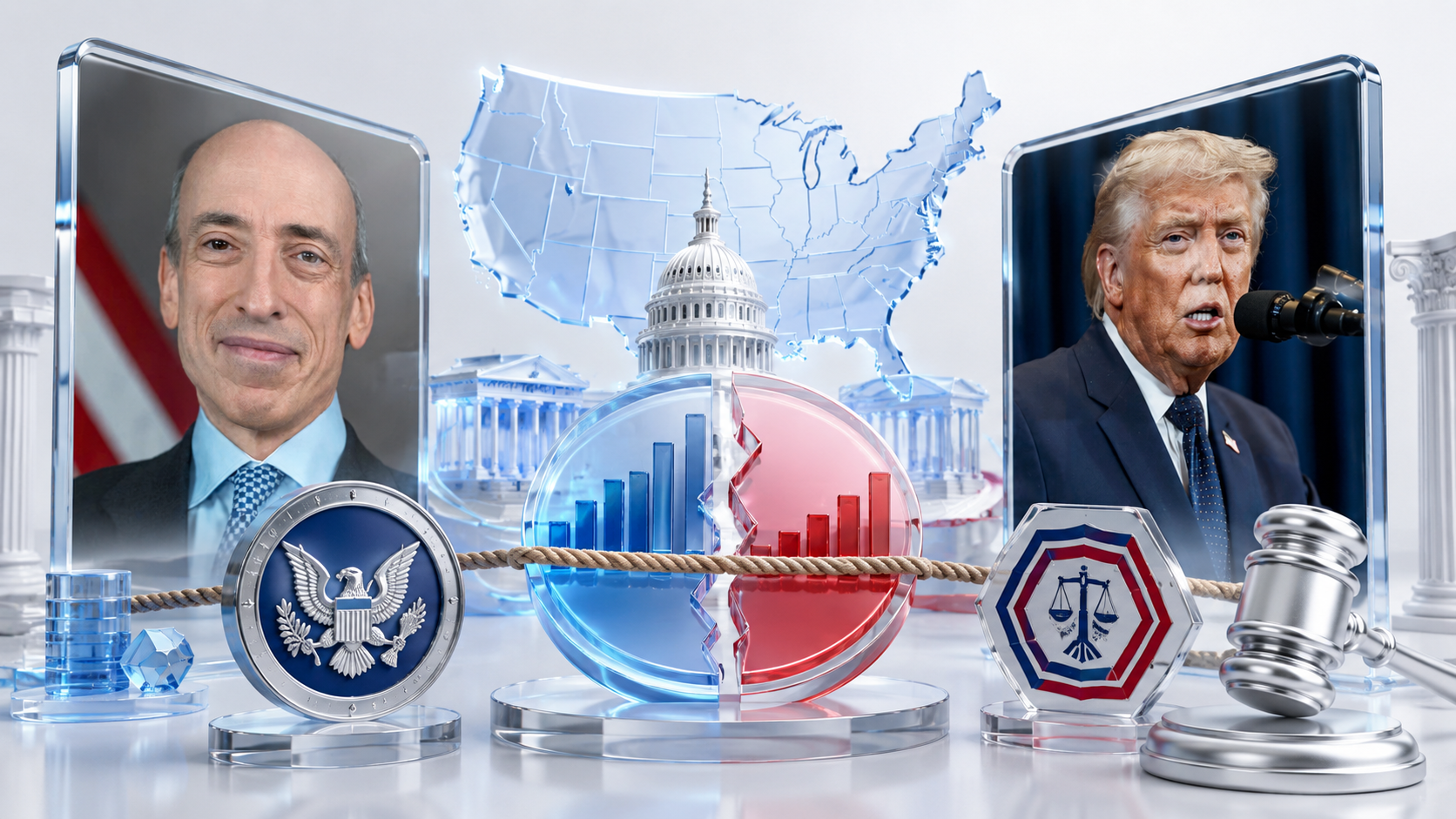
Garlinghouse’s remarks followed Donald Trump’s earlier pledge to support a forward-looking regulatory framework designed to shield digital assets from political swings. Trump criticized the strict regulatory approach taken by former SEC Chair Gary Gensler, asserting that such measures stifled innovation on U.S. soil and drove the crypto industry abroad.
Former President Trump stressed the need to create a regulatory environment that encourages innovation and paves the way for more inclusive legal frameworks to reintegrate the crypto sector and nurture growth.
How the Ripple-SEC lawsuit shaped the market
Garlinghouse’s latest statements arrive in the wake of Ripple’s long-running legal battle with the U.S. Securities and Exchange Commission (SEC)—a case watched closely by the entire crypto industry. A pivotal court decision last year found that certain secondary market sales of XRP did not constitute securities transactions, setting a landmark precedent for similar digital asset cases.
While this ruling did not resolve every contentious issue in the ongoing lawsuit, it did contribute to optimism as broader U.S. regulatory debates now edge closer to a more flexible framework. This evolving definition allows crypto assets—valued for their network utility—to be treated increasingly as “digital commodities,” generating fresh positivity in the market.
Mini glossary: The SEC (U.S. Securities and Exchange Commission) is the main body overseeing securities markets in the U.S. It holds the authority to classify crypto assets as securities—a question brought into focus in the landmark Ripple case.
New era for Ripple and XRP
Shifting legal interpretations, a political focus on digital assets, and growing demand for clear regulatory pathways are now transforming Ripple’s long-term vision for both itself and XRP. The company is particularly focused on adapting to the new regulatory climate, especially in areas such as tokenization.
Ripple continues to invest in tokenization—the use of blockchain to digitally represent real-world and financial products—believing that regulatory clarity will propel further growth of the crypto sector.
FeatureXRPOther cryptocurrenciesSecurities Status in LawsuitsNot considered a security in secondary market salesUncertainty remains for many coinsMarket ImpactXRP trading volume increased after the decisionUncertainty persists for some coinsRegulatory ClarityHigher (especially in the U.S.)Generally low
Outlook and Ripple’s evolving position
According to Garlinghouse, Ripple is emerging as more than just a company prevailing in a high-stakes lawsuit: it is now a key player shaping a new era of U.S. crypto policy and regulation. The company aims to prioritize solutions compliant with upcoming legal frameworks, remaining agile as regulatory decisions continue to reshape the market.
Industry representatives agree that, with recent court decisions, both legal uncertainty and political risk have eased across the crypto ecosystem.
The post Ripple CEO declares anti-crypto era over as XRP surges appeared first on COINTURK NEWS.