On Aug. 18, Ripple CEO Brad Garlinghouse sat for an interview with CNBC's Tanaya Macheel at the Wyoming Blockchain Symposium. During the conversation, he dropped a new hint on his crypto comp
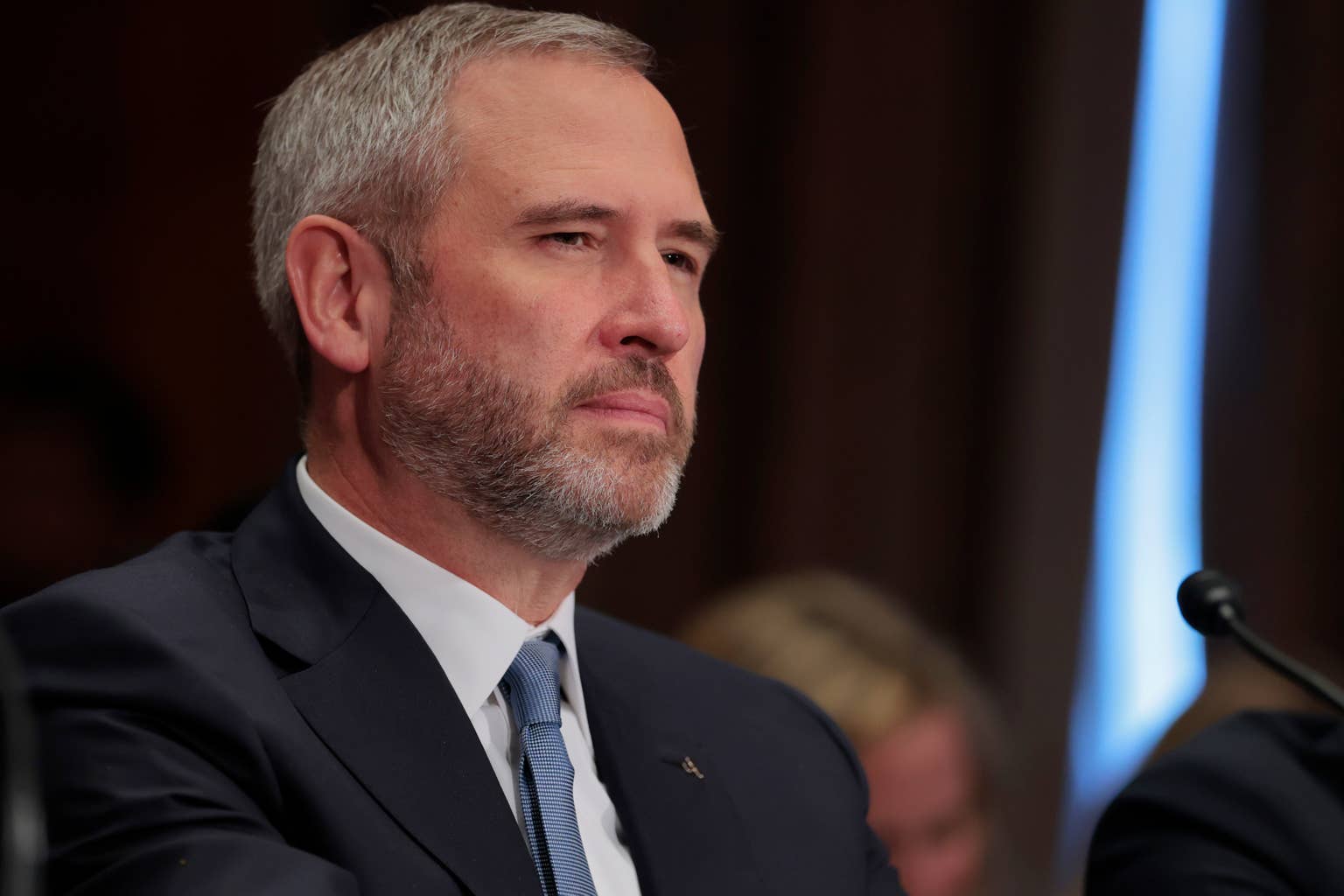
On Aug. 18, Ripple CEO Brad Garlinghouse sat for an interview with CNBC's Tanaya Macheel at the Wyoming Blockchain Symposium.
During the conversation, he dropped a new hint on his crypto company's plan or lack thereof for an initial public offering (IPO).
Related: Ripple minted $30 million in RLUSD in a single day, here is what the supply data actually tells you
Political donation
Macheel asked Garlinghouse whether Ripple’s huge donation during the 2024 U.S. presidential election had paid off, given the crypto industry’s growing support from Washington and major institutions.
Garlinghouse said the crypto industry was forced to spend money during the election because the previous government went after the industry and was engaged in regulation through enforcement instead of making rules.
Note that the Securities and Exchange Commission (SEC) during the Joe Biden era sued Ripple and several other crypto firms for offering unregistered crypto securities.
Ripple and other crypto firms then donated millions of dollars to Donald Trump during the 2024 campaign, the industry emerging as one of the most prominent donors during the election.
The Trump era saw the SEC settling or dropping those cases and laws like the GENIUS Act getting enacted. The CLARITY Act, considered the most comprehensive legislation to regulate crypto, is, however, still stuck due to opposition from the banking industry over stablecoin rewards.
Trending on TheStreet Roundtable:
CLARITY Act
Garlinghouse said the idea of crypto being anti-regulation isn't true, it's not the Wild West, and it has instead sought out regulation. The crypto industry needs the CLARITY Act to succeed in the U.S., and he is optimistic about its passage, he added.
Regarding the demand of the Democrats to include an ethics provision to the bill to restrict the Trump family from profiting off crypto, he said it's a larger debate and the ethics provisions shouldn't be limited to crypto only, they should be extended to other areas like stock trading, he added.
"I really do think we have to not let perfection be the enemy of good."
Related: Why Ripple CEO is urging Congress to pass Clarity Act
Bridge between TradFi and DeFi
Macheel asked Garlinghouse what he thought of the institutional interest in technologies like tokenization.
He said that Ripple has been acting as the bridge between decentralized finance (DeFi) and traditional finance (TradFi) for a long time, and while it was once viewed negatively by crypto purists, the world has a set of rules and regulations to follow, and the TradFi infrastructure matters.
During the current bear cycle, the crypto companies have seen their revenues decline due to lower prices, and there are shutdowns and layoffs as well, Garlinghouse said.
But companies like Kraken reported a growth in revenue despite a slowdown in the crypto market because they have diversified beyond retail trading, he underlined.
AI
When Macheel asked Garlinghouse about the integration of artificial intelligence (AI), he said Ripple has aggressively adopted AI in its operations.
He criticized companies like Block (NYSE: XYZ) for attributing the layoffs to AI integration, claiming these organizations were already bloated. Ripple has 1,500 employees and 150 open positions right now because it's growing at a fast pace, he added.
Regarding agentic payments, he acknowledged their growing role but doubted whether large corporations would let agents access their treasuries.
Ripple IPO
When Macheel inquired if Ripple has any plans to go public, Garlinghouse said the company has been "very happily private for a long time."
Despite being private, it executed multiple acquisitions—the non-bank prime broker Hidden Road and enterprise treasury management provider GTreasury—worth $2.5 billion last year and deployed tender offers worth roughly $3 billion to provide liquidity to shareholders over the last two years, he added.
The crypto industry is going to see more consequential acquisitions partly due to the ongoing winter, he predicted.
"I'd say we are more neutral on the topic than maybe we used to be. We'll see how it plays out."
The less than enthusiastic reception to BitGo Holdings (NYSE: BTGO) and Securitize (NYSE: SECZ) IPOs has been a deterrent, but Circle Internet Group (NYSE: CRCL) has done well since going public a year ago, Garlinghouse remarked.
Related: Strategy, Coinbase, Circle, Robinhood stocks rally after Treasury news