Ripple Spotlights Türkiye as a Rising Digital Assets Hub
Ripple published an insights post on October 5, 2026 describing how Türkiye has emerged as a growing hub for digital assets adoption The post highlights Turkish regulatory progress and local
A
AnonymousCryptoCompass newsroom
October 7, 2026
3 min read
NEWS
CryptoCompass editorial visual for policy coverage.
Ripple published an insights post on October 5, 2026 describing how Türkiye has emerged as a growing hub for digital assets adoption
The post highlights Turkish regulatory progress and local market dynamics that Ripple says have positioned the country as a notable crypto adoption market
The publication follows Ripple’s broader pattern of expanding its RLUSD stablecoin and payments infrastructure presence across emerging and fast-growing crypto markets
The piece points to Türkiye’s combination of high retail crypto usage, a young and digitally engaged population, and incremental progress on formal digital asset regulation as key factors behind the country’s rise. Turkish regulators have moved over the past several years to bring crypto exchanges and service providers under clearer licensing and compliance obligations, a shift Ripple frames as critical groundwork for larger institutional and payments-focused crypto activity to take hold locally.
Ripple has steadily built out its presence across markets it identifies as high-growth digital asset hubs, often pairing content like this insights post with concrete business moves, including expanding its RLUSD stablecoin’s reach and deepening partnerships with local banks and payment providers. Türkiye’s large remittance corridors and historically volatile local currency have made crypto and stablecoins particularly attractive to everyday users seeking a store of value and efficient cross-border payment options, dynamics Ripple’s payments business is built to serve.
The company’s continued focus on Türkiye follows a broader pattern across Ripple’s content strategy of publishing country- and region-specific analyses that double as groundwork for its own commercial expansion, since highlighting a market’s adoption trends and regulatory trajectory often precedes or accompanies new partnership announcements in that same market. Ripple has pursued similar public positioning in other high-adoption markets across Latin America, Southeast Asia, and the Middle East as it expands XRP Ledger-based payments and RLUSD stablecoin usage globally.
For a company whose core business depends on cross-border payment corridors with real transaction volume, identifying and publicly validating markets like Türkiye as rising digital asset hubs serves both a marketing and a strategic purpose, signaling to partners, regulators, and competitors alike where Ripple sees its next phase of geographic growth concentrated. The timing of the piece, arriving the same week as several other major regulatory and corporate crypto disclosures, underscores how central payments-focused crypto infrastructure has become to the broader industry narrative heading into the final quarter of 2026.
XRP Ledger account numbers keep climbing, and that growth is quietly reshaping who qualifies as a top holder. The XRP Rich List has shifted again. Data from October 2, 2026 shows the minimum
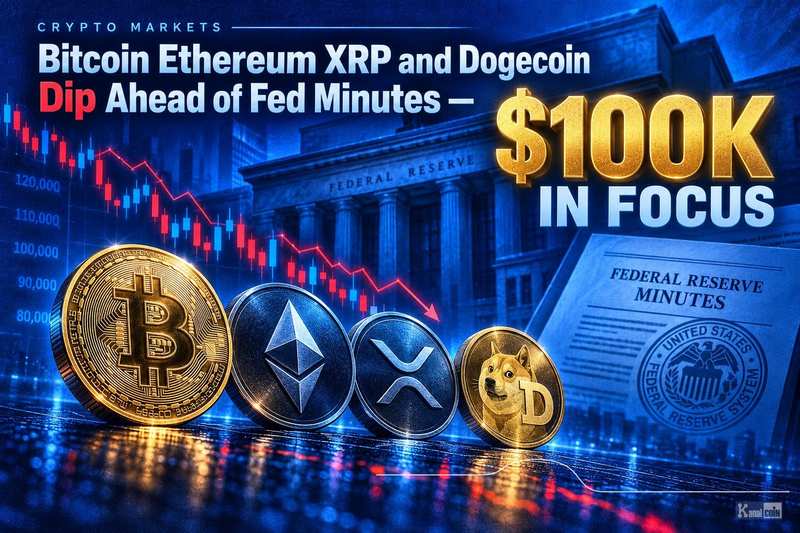
Bitcoin, Ethereum, XRP, and Dogecoin each pulled back as traders across Asia and global markets positioned cautiously ahead of the release of the latest Federal Reserve meeting minutes, with
Meritz Securities has signed a strategic partnership with Ripple to explore bringing institutional digital asset custody and tokenization infrastructure into South Korea’s capital markets. Su