Ripple wins final US approval for national trust bank
Ripple announced Monday that its national trust bank has secured final approval from the Office of the Comptroller of the Currency (OCC). The approval completes the chartering process for Rip
A
AnonymousCryptoCompass newsroom
October 27, 2026
2 min read
NEWS
CryptoCompass editorial visual for policy coverage.
Ripple announced Monday that its national trust bank has secured final approval from the Office of the Comptroller of the Currency (OCC).
The approval completes the chartering process for Ripple National Trust Bank (RNTB), which received conditional approval from the OCC in December 2025.
The federally supervised trust bank is authorized to manage reserves backing Ripple USD (RLUSD), act as collateral trustee for the benefit of RLUSD holders and provide digital asset custody services, according to Ripple.
RLUSD will continue to be issued by Standard Custody & Trust Company, Ripple’s limited purpose trust company regulated by the New York Department of Financial Services.
“We’ve always said crypto and banks work better together — this is what that looks like. Real innovation, real accountability, federal oversight,” Ripple CEO Brad Garlinghouse said on X on Monday.
A national trust bank is a federally chartered institution focused on holding and managing assets on behalf of clients. Unlike a typical commercial bank, most national trust banks do not accept deposits or make loans and do not carry Federal Deposit Insurance Corporation insurance, according to the OCC.
Venture capitalist and prominent Bitcoin supporter Tim Draper has praised Satoshi Nakamoto, the creator of Bitcoin, for embracing an optimistic mindset capable of challenging established prin
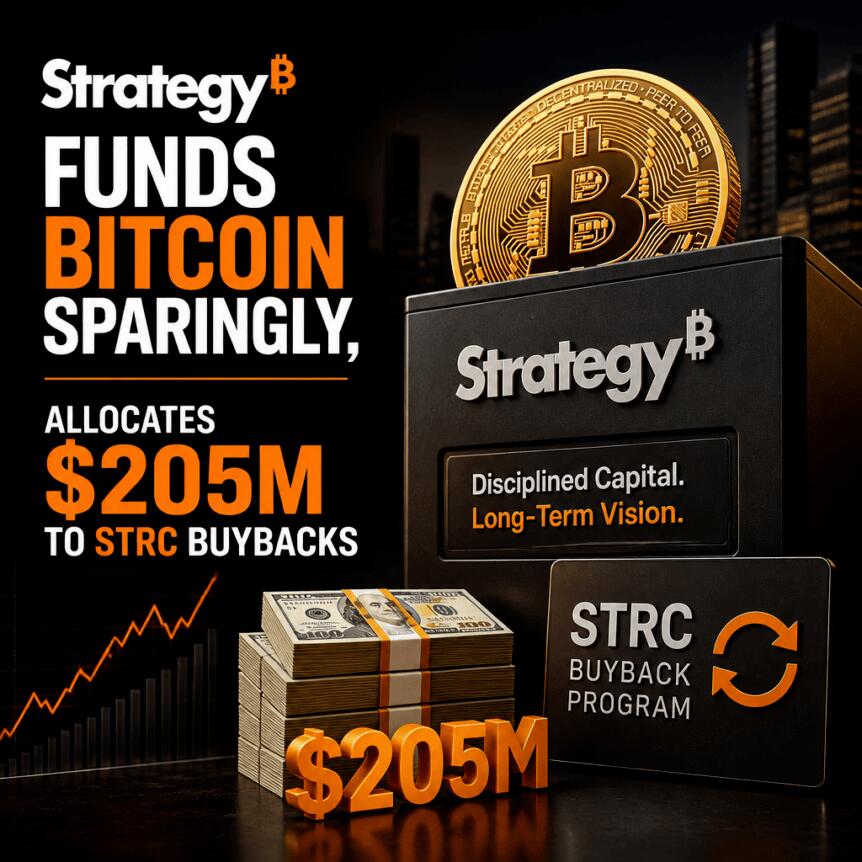
Michael Saylor’s Strategy reported a quiet week for Bitcoin activity, opting instead to deploy cash into its own equity. In a Monday filing with the U.S. Securities and Exchange Commission, t
US stock futures advanced on Monday, October 26, led by gains in semiconductor shares as Nvidia, AMD, and Intel each climbed more than 1% in early trading. Despite the bounce, concerns linger