BitcoinWorld Robinhood CEO Vladimir Tenev: Crypto’s Future Lies in Real-World Assets, Not Meme Coins Robinhood CEO Vladimir Tenev has drawn a clear line between what he sees as the productive
BitcoinWorld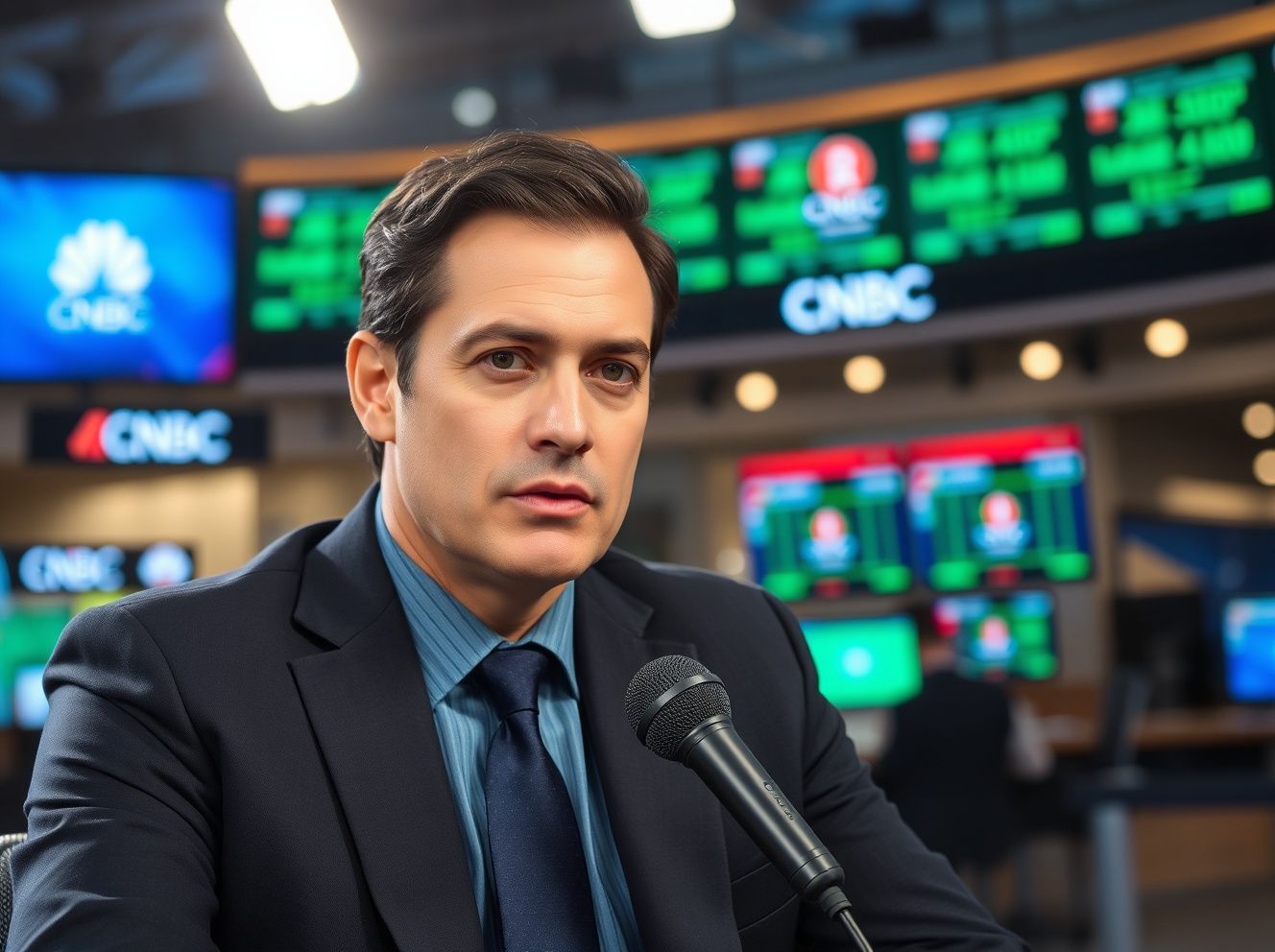 Robinhood CEO Vladimir Tenev: Crypto’s Future Lies in Real-World Assets, Not Meme Coins
Robinhood CEO Vladimir Tenev has drawn a clear line between what he sees as the productive future of cryptocurrency and the speculative noise of meme coins. In a recent interview with CNBC, Tenev argued that the tokenization of real-world assets (RWA) represents the next meaningful phase for digital assets, while meme coins, in his view, offer little to no utility.
Convergence of Traditional Finance and Crypto
Tenev described a growing convergence between traditional finance and the crypto industry. He stated that bringing already-proven real-world assets onto blockchain networks is where the sector’s long-term value lies. This includes assets like real estate, bonds, commodities, and other financial instruments that already have established markets and regulatory frameworks.
According to Tenev, creating tokens without any underlying utility is not productive. He emphasized that hundreds of meme coins circulating today lack meaningful purpose and do not contribute to the broader financial ecosystem. His remarks align with a growing sentiment among some industry leaders that the speculative frenzy around meme coins distracts from more substantive blockchain applications.
Robinhood’s Strategic Pivot
The comments come as Robinhood itself moves deeper into the RWA space. The company recently launched its own Layer 2 blockchain, the Robinhood Chain, built on Arbitrum technology. This infrastructure is designed to support tokenization and decentralized finance applications, signaling the company’s commitment to utility-focused crypto products rather than hype-driven tokens.
Robinhood’s expansion into RWA tokenization positions the trading platform to compete with other financial institutions exploring similar technologies. The move also reflects a broader industry trend where established fintech and traditional finance players are seeking to integrate blockchain technology into regulated financial services.
Why This Matters for Crypto Investors
Tenev’s perspective carries weight given Robinhood’s significant role in retail crypto trading. The platform has millions of users who actively trade digital assets, and its CEO’s public stance could influence how retail investors view the value proposition of different crypto sectors. For investors, the distinction between utility-driven assets and speculative tokens is becoming increasingly relevant as regulatory scrutiny intensifies globally.
The RWA tokenization market is still in its early stages, but projections suggest it could grow substantially in the coming years. By positioning itself early, Robinhood aims to capture a share of this emerging market while potentially distancing itself from the volatility and reputational risks associated with meme coins.
Conclusion
Vladimir Tenev’s CNBC interview highlights a pivotal moment for the crypto industry as it matures beyond its speculative origins. While meme coins continue to attract attention and trading volume, the Robinhood CEO’s focus on real-world asset tokenization underscores a shift toward practical, regulated blockchain applications. Whether this vision gains widespread adoption remains to be seen, but it reflects a growing consensus among industry leaders that sustainable growth requires tangible value creation.
FAQs
Q1: What did Robinhood CEO Vladimir Tenev say about meme coins?A: Tenev stated that meme coins lack utility and are not productive for the crypto ecosystem. He described creating hundreds of such tokens as meaningless, arguing that the future of digital assets lies in tokenizing real-world assets that already have proven value.
Q2: What is the Robinhood Chain?A: The Robinhood Chain is a Layer 2 blockchain built on Arbitrum technology. It is designed to support tokenization of real-world assets and decentralized finance applications, representing Robinhood’s expansion into utility-focused crypto infrastructure.
Q3: Why is RWA tokenization considered important?A: Real-world asset tokenization allows traditional assets like real estate, bonds, and commodities to be represented on blockchain networks. This can improve liquidity, transparency, and accessibility while operating within existing regulatory frameworks, making it a more sustainable application of blockchain technology compared to speculative tokens.
This post Robinhood CEO Vladimir Tenev: Crypto’s Future Lies in Real-World Assets, Not Meme Coins first appeared on BitcoinWorld.