Russia is reportedly planning to ban direct peer-to-peer (P2P) crypto trading, with the restriction set to take effect in July 2027. The proposal would make it illegal for individuals to buy
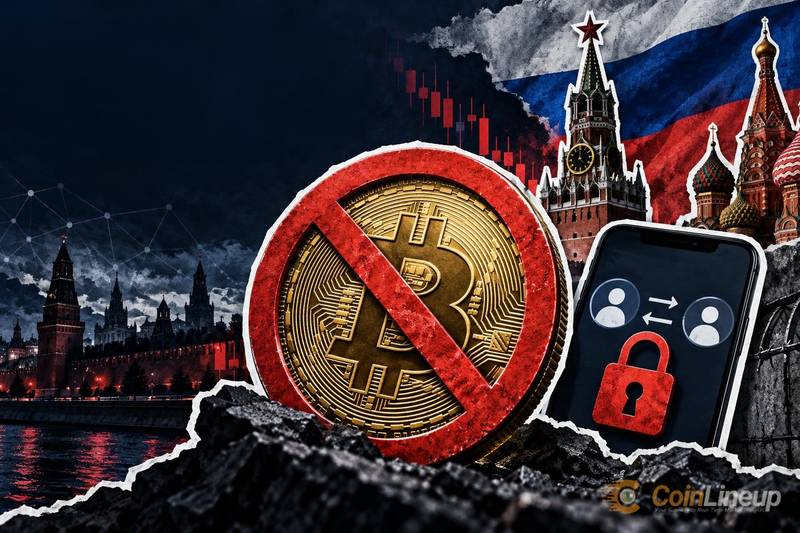
Russia is reportedly planning to ban direct peer-to-peer (P2P) crypto trading, with the restriction set to take effect in July 2027. The proposal would make it illegal for individuals to buy and sell cryptocurrency directly with each other, without going through a regulated platform or intermediary.
What the Proposed Ban Would Cover
Direct P2P trading means two people exchanging cryptocurrency between themselves, person-to-person, without using an exchange or broker in the middle. Think of it like selling your car privately to a neighbor instead of going through a dealership. For related coverage, see Sberbank Approved to Offer Crypto Exchange Services.
The reported proposal specifically targets this kind of direct transaction. Based on the headline details available, the ban is described as covering "direct" P2P activity, which suggests trades routed through a licensed exchange or regulated service may not fall under the restriction. However, the final legislative text has not been published, so the exact scope, exemptions, and penalties remain unconfirmed. For related coverage, see Alex Mashinsky Accepts Lifetime New York Crypto Ban.
Russia has been steadily building out its formal crypto regulatory framework. Russia's State Duma passed a crypto bill that laid groundwork for regulated digital asset activity in the country, and the Russian central bank added Sberbank to its crypto exchange register, signaling a preference for institutional, supervised crypto channels over informal ones.
Why This Matters for Crypto Users in Russia
If the ban takes effect as reported, Russian crypto holders who currently use P2P platforms or informal trading networks would need to shift to regulated exchanges. P2P trading has historically been popular in countries with currency controls or limited banking access, because it offers flexibility and privacy that centralized platforms do not.
A restriction on direct P2P transactions would push more activity onto state-registered platforms, where transactions are recorded and potentially subject to tax reporting and identity verification requirements. What happens to users who continue trading directly after July 2027 is not yet clear, as enforcement rules depend on the final legislation.
Russia is not alone in tightening oversight of crypto trading channels. The UK sanctioned three crypto exchanges over Russia-linked activity, reflecting wider international pressure on unmonitored crypto flows connected to Russian users.
What to Watch Before July 2027
The July 2027 date gives regulators, exchanges, and users roughly nine months to prepare, assuming the proposal moves forward unchanged. Key developments to follow include the publication of the formal legislative text, any definitions of what counts as "direct" versus platform-mediated trading, and whether exemptions apply to small transactions or specific asset types.
Users holding crypto in Russia should monitor official announcements from Russian financial regulators for the final rules before drawing conclusions about how the ban will affect them in practice.
Additional source references: source document 1, source document 2.
Disclaimer: This article is for informational purposes only and does not constitute financial or investment advice. Cryptocurrency and digital asset markets carry significant risk. Always do your own research before making decisions.
Read original article on coinlineup.com