Russia's largest bank, Sberbank, is reportedly preparing to launch a cryptocurrency wallet by December 2026, a move that would mark a significant step in the country's evolving approach to di
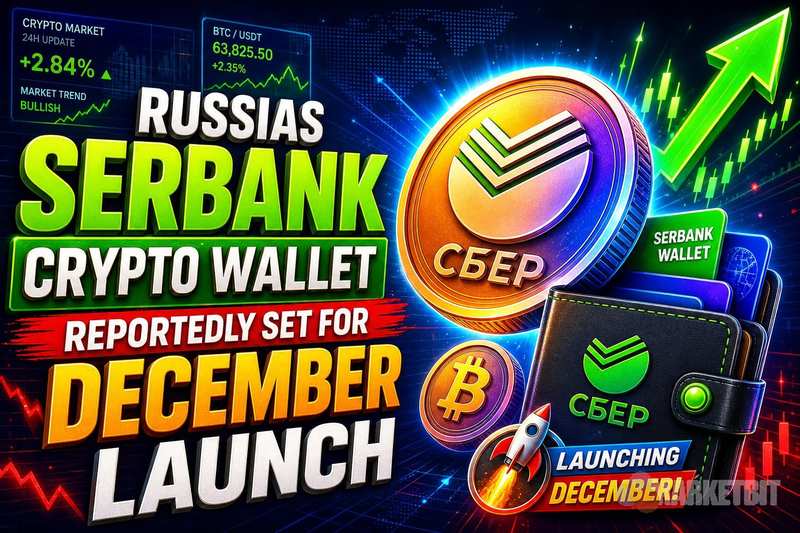
Russia's largest bank, Sberbank, is reportedly preparing to launch a cryptocurrency wallet by December 2026, a move that would mark a significant step in the country's evolving approach to digital assets.
The reported timeline comes from Russian business outlet RBC, which cited plans for Sberbank to roll out wallet functionality for crypto users before year-end. The development would position the state-backed institution as a direct participant in Russia's growing digital asset infrastructure. For related coverage, see Russia Introduces Comprehensive Crypto Regulation Bill: What to Know.
What to Know
- Sberbank is reportedly planning a crypto wallet launch by December 2026.
- The launch is reported, not independently confirmed, and details on supported assets and features remain unclear.
- A bank-backed wallet would give Russian users a regulated on-ramp to hold and manage digital assets through a familiar financial institution.
A crypto wallet from Sberbank would allow users to store, send, and receive digital currencies through the bank's existing platform. Unlike standalone crypto wallets, a bank-integrated product typically offers identity verification, customer support, and direct links to fiat accounts. For related coverage, see Kalshi Polymarket Crypto Perpetual Futures in U.S..
Sberbank would not be the first Russian bank to move into crypto-adjacent services. Earlier this year, Sovcombank announced it was offering Bitcoin-backed loans to the public, positioning itself as the first Russian bank to do so. Sberbank's reported wallet launch would represent a different product category, focused on custody and access rather than lending. For related coverage, see Elizabeth Warren: U.S. Adversaries Use Crypto to Move Billions.
Why a Sberbank Crypto Wallet Would Matter
Sberbank serves tens of millions of customers across Russia. A crypto wallet integrated into that network would instantly lower the barrier to entry for users who have avoided standalone exchanges or self-custody solutions.
Bank-backed wallets carry implicit trust for retail users. For customers already managing savings, payments, and loans through Sberbank, adding crypto access to the same interface removes friction that has historically kept mainstream users away from digital assets.
The move also signals growing institutional competition in Russia's crypto market. As banks begin offering wallet and lending products, the landscape shifts from unregulated peer-to-peer activity toward structured financial services. Russia has been actively shaping its crypto regulation framework, and Sberbank's entry would align with that broader trajectory.
It is worth distinguishing wallet infrastructure from full trading or investment services. A wallet allows users to hold and transfer crypto, but it does not necessarily mean Sberbank would offer exchange functionality, margin trading, or asset management. The scope of the reported product remains unclear.
What to Watch Before December
Several open questions remain ahead of the reported launch window. Among them: which cryptocurrencies the wallet would support, whether it would allow transfers to external wallets, and how Sberbank would handle compliance with Russia's digital asset regulations.
The December target gives the market a concrete milestone, but launch plans at this stage are not guarantees. Regulatory shifts, technical delays, or changes in institutional strategy could push the timeline. Similar financial institution crypto launches have faced last-minute adjustments in other markets.
Readers should watch for official statements from Sberbank confirming product details, supported assets, and rollout scope. Any update to the reported December deadline would materially change the outlook. As governments across the region take increasingly active roles in managing digital assets, Sberbank's next move will serve as a signal of how deeply Russian financial institutions intend to integrate crypto into mainstream banking.
This story is developing and will be updated as additional details emerge.
Disclaimer: This article is for informational purposes only and does not constitute financial or investment advice. Cryptocurrency and digital asset markets carry significant risk. Always do your own research before making decisions.
Read original article on marketbit.net