Hardware wallet maker SafePal is at the center of a data breach that has exposed customer records and stirred fears that leaked personal information could be used to target crypto holders wit
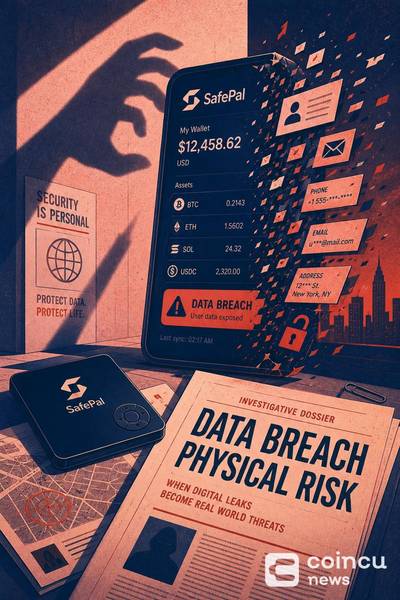
Hardware wallet maker SafePal is at the center of a data breach that has exposed customer records and stirred fears that leaked personal information could be used to target crypto holders with real-world attacks, extortion, or robbery. The SafePal wallet data breach has moved the conversation beyond digital security into physical safety, as users worry that identity and order details tied to crypto ownership could make them targets offline.
What Happened in the SafePal Wallet Data Breach?
Reporting on the incident has centered on exposed customer information rather than a compromise of the wallet's core infrastructure, according to Decrypt. The concern is data exposure, not a direct theft of on-chain funds. For related coverage, see Bitcoin Slips After U.S. Inflation Data as ETFs See Drawdown.
The breach reportedly affected order and customer records rather than private keys or seed phrases. Coverage of the incident indicates that nearly 40,000 customers' order information was exposed, a scope that ties personal and purchase details to individual users. For related coverage, see Bitcoin Eyes New August Lows as Binance Longs Face Cleanout.
That distinction matters. A leak of order records, contact details, or shipping information does not necessarily move a user's crypto, but it can link a real-world identity to someone known to own a hardware wallet, which is the trigger for the safety fears now circulating.
Why a Crypto Data Leak Can Lead to Physical Attack Fears
The central worry is that exposed personal data can be used to identify and locate people known to hold crypto. When a name, address, or contact detail is linked to hardware wallet ownership, it can enable doxxing and target selection for offline crime.
Self-custody users are particularly sensitive to this kind of exposure. The entire premise of a hardware wallet like those SafePal sells, including its limited-edition hardware devices built with 1inch, is that the owner personally controls their keys, which also means there is no bank or exchange to reverse a coerced transfer.
The offline risks tied to this scenario include robbery, extortion, and intimidation, sometimes referred to in the industry as "wrench attacks," where a holder is physically pressured into surrendering funds.
It is important to separate fear from confirmed events. The available reporting frames this as elevated risk and user concern rather than a documented wave of physical attacks, and no such incidents have been verified in the research at hand.
How SafePal and Affected Users Are Responding
SafePal maintains guidance for users facing impersonation and fraud through its official scam protection resources, which outline how the company communicates and what legitimate outreach looks like.
Independent crypto commentator WuBlockchain has also circulated details of the incident on X, contributing to the public attention around the breach and the user reaction to it.
Much about the incident remains unconfirmed. Beyond the reported exposure of order data, the full scope, cause, and remediation timeline are not established in the current reporting, and users should treat unverified specifics with caution.
What SafePal Users Should Do Right Now
For potentially affected users, the immediate priority is protecting the channels tied to their identity. That means scrutinizing emails, messages, and calls that reference SafePal, since exposed contact and order data makes convincing phishing and impersonation attempts more likely.
- Guard against social engineering: Treat unexpected outreach claiming to be from SafePal as suspect, and never share seed phrases or approve transactions based on inbound messages.
- Harden personal privacy: Limit publicly linking your identity to crypto holdings, and be mindful of information that could confirm you own a hardware wallet.
- Verify through official channels: Confirm any breach updates or instructions only through SafePal's own verified guidance, not through links delivered in unsolicited messages.
SafePal has continued to expand its product lineup, including a Telegram wallet tied to Swiss bank accounts, which underscores how much personal and financial information can be associated with a single provider and why identity exposure is a meaningful concern.
FAQ About the SafePal Wallet Data Breach
Was SafePal wallet infrastructure itself compromised? Available reporting points to exposed customer and order data rather than a compromise of the wallet's key management or core infrastructure.
Were user funds reportedly at risk? The reported exposure concerns personal and order information, not private keys or seed phrases, so the primary risk described is targeting and fraud rather than direct on-chain theft.
What personal data may have been exposed? Coverage indicates order information for a large number of customers was affected, the kind of data that can tie an identity to hardware wallet ownership.
Why are people worried about physical attacks after the breach? Because linking a real-world identity to confirmed crypto ownership can enable doxxing, extortion, and robbery, raising offline safety fears even where no physical incidents have been verified.
Disclaimer: This article is for informational purposes only and does not constitute financial or investment advice. Cryptocurrency and digital asset markets carry significant risk. Always do your own research before making decisions.
The post SafePal Wallet Data Breach Sparks Physical Attack Fears was initially published on Coincu.