Samsung Electronics and SK Hynix, two of the world’s leading chip companies, are set to distribute more than $100 billion to their shareholders. This move is driven by both investor anxiety a
Samsung Electronics and SK Hynix, two of the world’s leading chip companies, are set to distribute more than $100 billion to their shareholders. This move is driven by both investor anxiety and their strong financial positions.
Samsung Electronics plans to announce a shareholder return program worth over 100 trillion Korean won, which is approximately $72 billion, according to a report by South Korea’s MoneyToday, citing industry officials. Meanwhile, SK Hynix revealed its own plan to buy back 40 trillion won worth of stock, about $29 billion.
JPMorgan has suggested that SK Hynix may follow up with additional returns totalling at least $130 billion.
These announcements have significantly boosted both companies’ stock prices, with Samsung gaining as much as 10.3% and SK Hynix jumping by 14.7%.
Together, these two companies are signalling a strong commitment to returning cash to investors, more than many entire countries spend on infrastructure in a year. However, the timing of these announcements reflects a more complex narrative than just financial strength.

Why Samsung and SK Hynix are paying out billions, and what it says about the AI boom
Samsung and SK Hynix have both seen huge profits from the boom in AI hardware. Their success is largely due to the rising demand for high-bandwidth memory chips, which are essential in AI data centers for quickly accessing and transferring large amounts of data. In fact, Samsung reported that its operating profit soared more than eight times in the first quarter of 2026, while SK Hynix also shared outstanding financial results.
However, instead of reinvesting all this money into growth, both companies have decided to return some of it to investors. This might seem puzzling at first. The reason lies in growing investor concerns. The AI infrastructure boom has been driven by major players like Nvidia, Microsoft, Google, and Meta, who are spending vast sums, hundreds of billions of dollars, on data centers and chips. Recently, investors have started to question how long this level of spending can continue and whether the demand for AI chips will remain as strong.
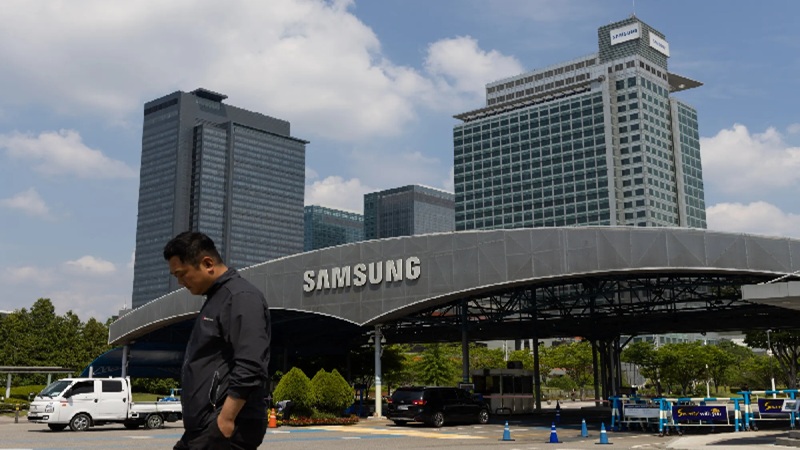
Samsung HQ
As a result of this uncertainty, the stock prices of both Samsung and SK Hynix have dropped, despite their strong performance. When investors begin to doubt the sustainability of a boom, companies often respond by returning cash to their shareholders. This is a way of saying, “We’re doing so well that we can afford to give some money back to you while still investing in growth.”
Similar read: Samsung launches new foldable phones, hikes prices as chip costs continue to rise
Think of it like a business owner who has had an incredible year. Instead of putting all the profits back into the business and gambling that next year will be just as good, they might take some money out. This strategy acts as a safeguard against uncertainty, even if it looks generous on the surface.
For Samsung, the decision to return money to shareholders comes at a critical time as the company strives to catch up to SK Hynix in the AI chip market. Currently, SK Hynix holds a significant lead with about 55% market share compared to Samsung’s roughly 25%. Samsung has announced that it is the first to start mass production of HBM4, the newest version of high-bandwidth memory chips, which are crucial for Nvidia’s upcoming AI architecture.

Samsung Chairman Lee Jae-yong
The combined shareholder return programs from both companies could potentially exceed $100 billion, making it one of the most significant coordinated payouts in the tech industry’s history. For investors who have stayed loyal to Korean chip stocks during a volatile period, these announcements are a positive sign that both companies are generating enough cash to reward shareholders, all while continuing to invest in the AI infrastructure that has driven their success.
Also read: Samsung crosses $1 trillion valuation as AI chip demands surge
