SEC’s Tokenized Stock Approach Targets the Register, Not the Token
SEC statements on tokenized securities focus on how legal ownership is recorded, not on the blockchain used to represent it. The Commission’s Crypto Task Force has collected written input on
A
AnonymousCryptoCompass newsroom
September 13, 2026
3 min read
NEWS
CryptoCompass editorial visual for policy coverage.
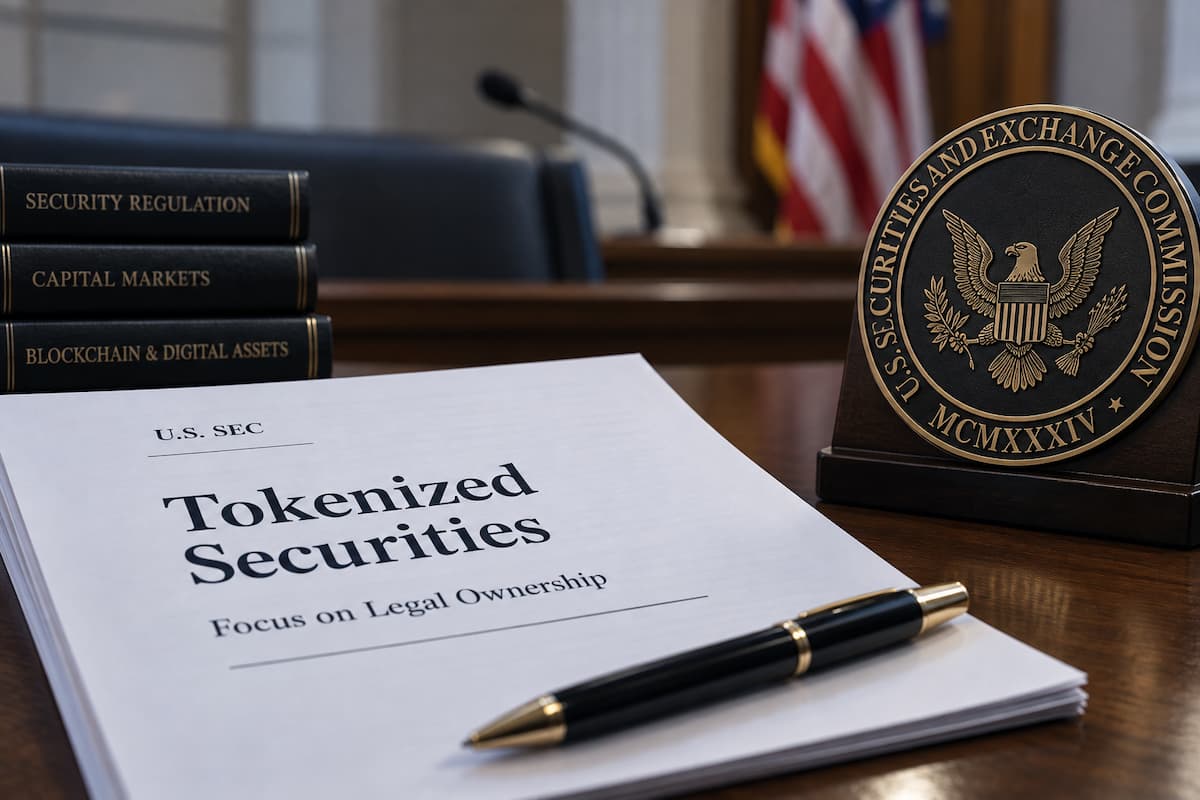
SEC statements on tokenized securities focus on how legal ownership is recorded, not on the blockchain used to represent it.
The Commission’s Crypto Task Force has collected written input on how existing securities law maps onto tokenized equities.
The framing shifts the hardest legal question from “is a token a security” to “who is actually listed as the owner of record.”
The SEC’s public statements on tokenized securities, including its Division of Corporation Finance statement on tokenized securities, converge on a framing that is easy to miss if you assume the regulatory fight is about the blockchain itself: the Commission’s actual focus is on the shareholder register, the legal record of who owns a share, not on the token that represents that ownership to a wallet holder.
Why the Register Matters More Than the Token
A share of stock is not, legally, the paper certificate or the line of code that represents it. It is an entry in a company’s official register of shareholders, maintained by the company or its transfer agent, that determines who gets dividends, who can vote, and who has a legal claim if something goes wrong. A tokenized share is only meaningful if the token is actually linked to that underlying register entry, so that owning the token is legally equivalent to being the registered owner. If a platform issues tokens that merely track a stock’s price without any registered ownership behind them, a synthetic exposure rather than real tokenized equity, buyers are exposed to a fundamentally different and far less protected legal position, whatever the marketing around the product calls it.
This is the distinction the SEC’s Investor Advisory Committee raised directly in its own recommendation on the tokenization of equity securities, and it is why regulators keep returning to register mechanics rather than engaging primarily with blockchain architecture questions. The technology question, which chain, which token standard, is comparatively simple. The legal question, whether the token-holder is actually the registered owner with enforceable rights, is what determines whether tokenized equity is a genuine innovation in settlement or a product that looks like stock ownership without carrying its protections.
What Comes Next in the Commission’s Process
The SEC’s Crypto Task Force has been gathering public input on exactly this question, including detailed written submissions like the one on tokenized U.S. equities and the Commission’s exemptive authority, which argues for specific relief that would let tokenized trading operate under modified rules rather than requiring wholesale exemption from securities law. That process has not concluded, and the practical effect for now is that any platform advertising tokenized stock trading in the U.S. sits in a gray zone where the underlying legal protections depend entirely on how carefully that specific platform actually structured the link to the real shareholder register, a detail most retail users have no easy way to verify themselves.
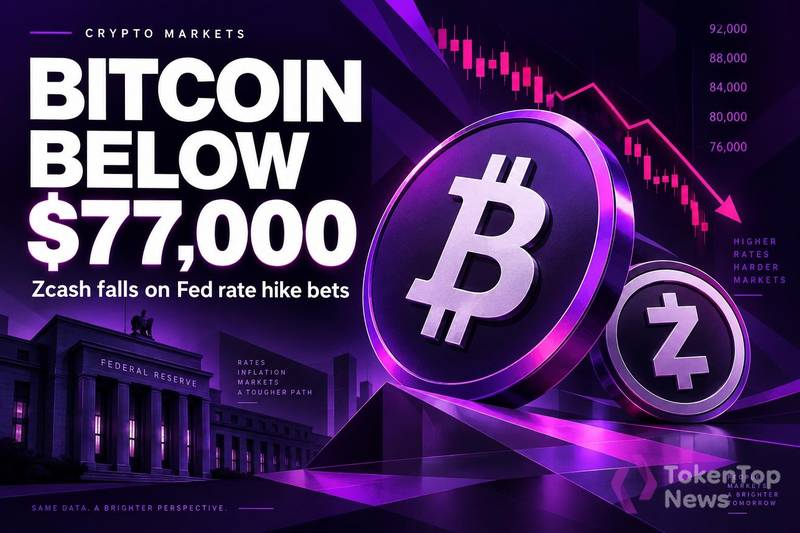
Bitcoin slipped below $77,000 and Zcash was reported to lead broader crypto losses as traders positioned for a possible Federal Reserve interest rate hike, though the underlying market report
Key Takeaways XRPL lending remains inactive on mainnet. Validator support remains far below activation. Version 3.4.0 has no confirmed release. Clearpool plans products using XRP and RLUSD. C
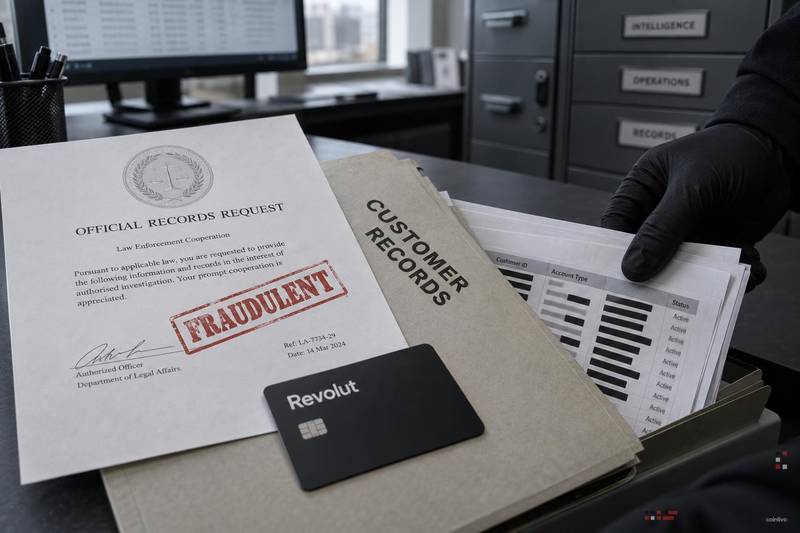
Revolut reportedly handed customer records to hackers after accepting a fraudulent government data request, according to a single published report that remains unconfirmed. The available mate