The U.S. Securities and Exchange Commission has signaled a major shift in its approach to digital assets, with Chairman Paul Atkins outlining three crypto-focused rule proposals as part of a
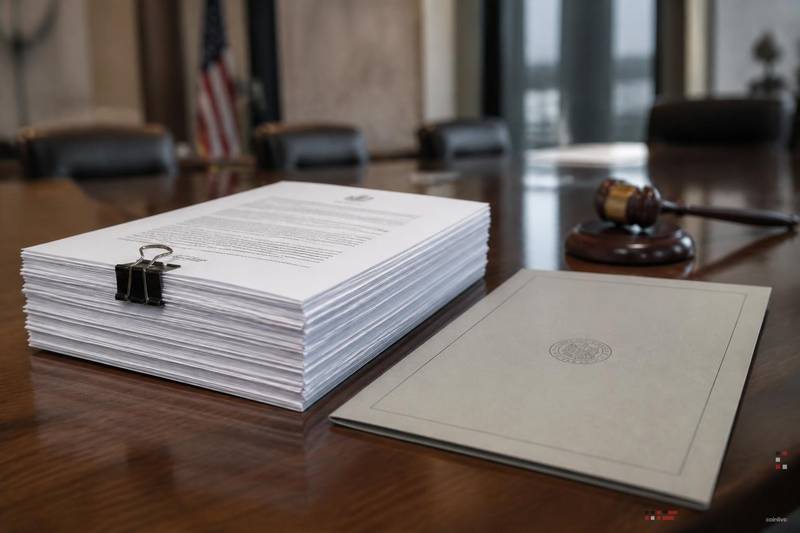
The U.S. Securities and Exchange Commission has signaled a major shift in its approach to digital assets, with Chairman Paul Atkins outlining three crypto-focused rule proposals as part of a broader initiative the agency is calling "Project Crypto."
What the SEC's Three Crypto Proposals Target
Chairman Atkins laid out the agency's new direction in a speech on the digital finance revolution, describing three distinct rulemaking efforts aimed at bringing regulatory clarity to the crypto sector. The proposals represent the SEC's most comprehensive attempt to create tailored frameworks for digital assets rather than relying on enforcement-driven regulation. For related coverage, see Crypto.com Adds $1M CRO Bonus for UFC Freedom 250.
The first proposal targets the issuance and registration process for crypto tokens. It seeks to create a workable path for token projects to register with the SEC or qualify for exemptions, addressing longstanding industry complaints that existing securities registration was designed for traditional equities and fails to accommodate token economics. For related coverage, see World Unveils New Toolkit, Expands Developer Program at World Build 3.
The second proposal focuses on crypto trading platforms. It aims to establish a regulatory framework for exchanges and alternative trading systems that handle digital asset securities, potentially streamlining how these platforms register and operate under SEC oversight. For related coverage, see World Mobile Unveils Atmosphere Grid, Extending EarthNodes Into Sovereign AI Infrastructure.
The third proposal deals with custody of digital assets. It would update existing custody rules to account for the unique characteristics of blockchain-based assets, providing clearer guidelines for broker-dealers and custodians holding crypto on behalf of clients.
Why the Proposals Matter for Crypto Markets and Firms
The shift is notable because it moves the SEC from an enforcement-first posture to a rulemaking-first approach. Chairman Atkins has said the agency is pursuing Project Crypto to "elevate" the industry, signaling a cooperative rather than adversarial stance toward digital asset firms.
Crypto exchanges and broker-dealers face the most immediate compliance implications. A dedicated trading platform framework could reduce legal uncertainty for firms that have operated without clear SEC guidance, while updated custody rules would directly affect how banks and financial institutions handle crypto and stablecoins.
Token issuers stand to benefit if the registration proposal creates a viable path to compliance. Many projects have avoided U.S. markets entirely due to the cost and complexity of traditional securities registration. A crypto-specific framework could reopen the U.S. to token launches that currently debut offshore.
It is important to distinguish between proposals and final rules. These are proposed rulemaking actions, not enforceable regulations. No compliance obligations change until final rules are adopted, which typically takes months to over a year after the proposal stage.
Broader Policy Context
The SEC's proposals arrive alongside a broader push from the executive branch. The White House's Working Group on Digital Asset Markets has released recommendations to strengthen American leadership in digital financial technology, suggesting coordination between the SEC's rulemaking and wider administration goals.
This aligns with a pattern of accelerating crypto policy activity across multiple agencies. The UK's FCA has similarly opened crypto consultations, reflecting a global push among regulators to formalize digital asset oversight rather than rely on ad hoc enforcement.
What Comes Next in the SEC Rulemaking Process
Each proposal will enter a public comment period, typically lasting 60 to 90 days. During this window, industry participants, advocacy groups like Coin Center, and the public can submit feedback that the SEC must consider before finalizing any rule.
After the comment period closes, the SEC staff will review submissions and may revise the proposals before presenting final rules for a commission vote. This process introduces significant timeline uncertainty; some rulemakings conclude within months, while others stall for years.
Industry participants should monitor the Federal Register for official publication dates, which will set the comment deadlines. The SEC's willingness to propose all three rules in close succession suggests an intent to move quickly, but final adoption will depend on the volume and substance of public comments received.
Disclaimer: This article is for informational purposes only and does not constitute financial or investment advice. Cryptocurrency and digital asset markets carry significant risk. Always do your own research before making decisions.
Read original article on nftenex.com