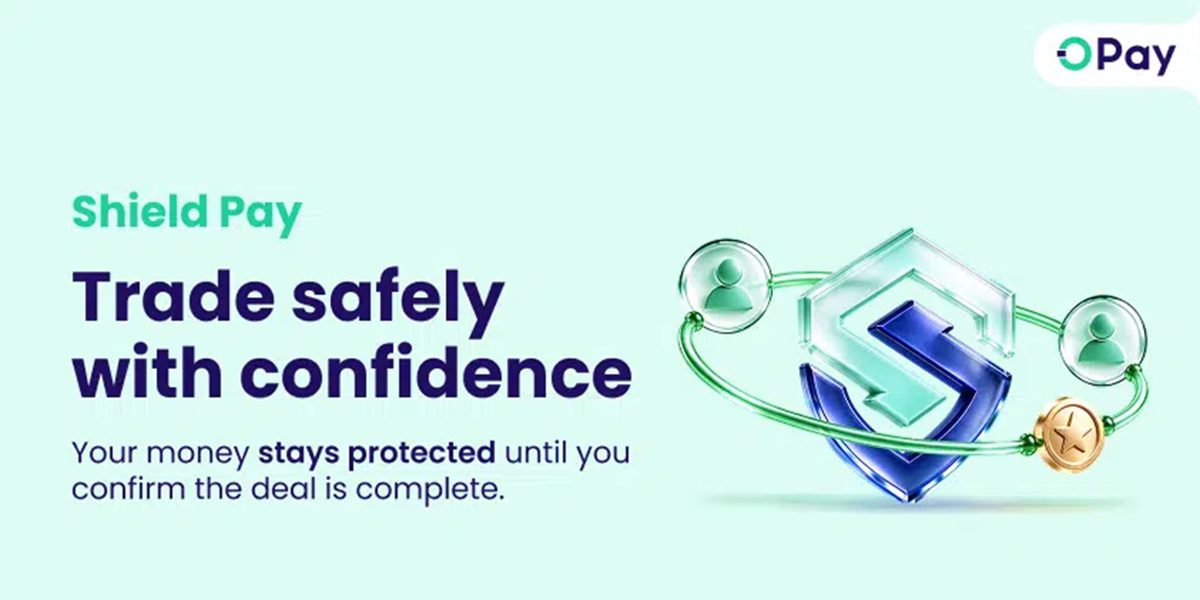
This week, OPay launched Shield Pay, a new feature that could significantly change the way Nigerians shop online, especially on platforms like Instagram and WhatsApp. It is an escrow service.
This week, OPay launched Shield Pay, a new feature that could significantly change the way Nigerians shop online, especially on platforms like Instagram and WhatsApp.
It is an escrow service. It holds the sender’s payment until the receiver meets the agreed conditions and the sender confirms. Instead of sending money directly to the seller, customers can use this service to safeguard their payments during the transaction process.
This tackles a common issue in Nigeria’s online shopping scene. Many buyers feel uneasy paying unfamiliar sellers upfront, often finding themselves at risk if the seller does not deliver.
And there is an existing demand gap. A study by Visa in June 2026 found that 83% of Nigerian consumers had bought products directly through social media, but 57% said they had experienced scams while shopping online.
Note: While Shield Pay has the potential to improve safety in online shopping, its effectiveness may vary for different users.
Who benefits?
Independent online vendors may find a new opportunity with Shield Pay.
For example, imagine a fashion brand on Instagram selling a ₦75,000 outfit. A potential buyer might love the item but hesitate to pay because they worry about whether it will be delivered. Now, both the buyer and seller can agree on the transaction. This could encourage more customers to buy from unfamiliar vendors, knowing that their payment is secure.
This can apply to electronics, furniture, used phones, and small retailers on platforms like WhatsApp. Buyers can feel more confident buying online.
For instance, if someone buys a laptop, they can discuss the specifications and payment terms before handing over any money. If the seller does not deliver or the item does not match what was agreed upon, the buyer has the option to raise a dispute.
Freelancers and independent service providers can also use this feature. A client hiring a graphic designer or photographer can agree on fees and expected delivery before making a payment. However, OPay need to clearly define what “completed work” means, as Shield Pay doesn’t evaluate the quality of the service automatically.
One downside for sellers is that buyers have seven days to review the order before the seller receives their money. They can even get an additional week for complex disputes. This delay might cause cash-flow issues for small businesses that rely on quick sales to restock or pay suppliers.
Similar read:OPay Introduces Shield Pay, Helping Nigerians Trade with Confidence
How OPay’s Shield Pay works
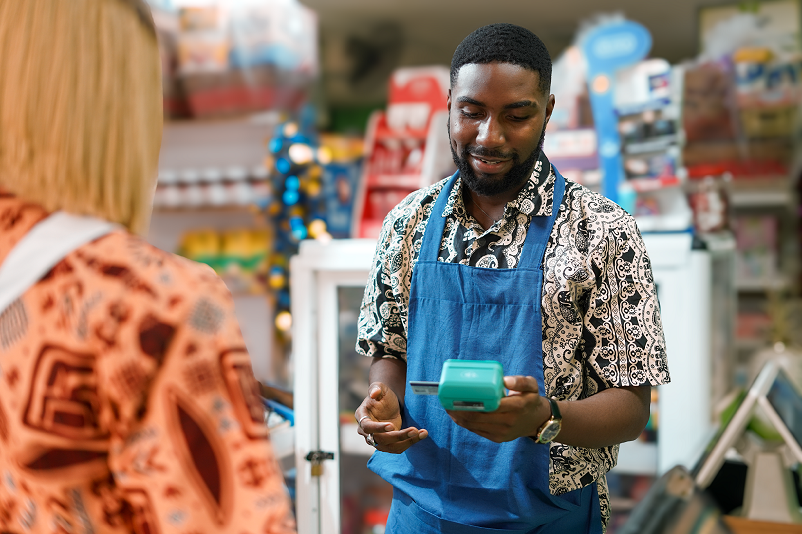
Both parties need to have OPay accounts to use this feature. Before the seller sends a payment request, they agree on the payment amount, purpose, and expected completion time. The buyer then has 24 hours to make the payment; if they don’t, the funds are held by OPay.
Once the seller fulfils their side of the deal, they submit proof to the buyer. The buyer reviews this information and confirms completion before OPay releases the funds to the seller’s wallet.
If any issues arise, buyers can dispute non-delivery, late delivery, misleading information, or products/services that do not meet the agreed conditions. Both parties have 48 hours to provide evidence for OPay to review.
Additionally, buyers can raise a dispute within 15 days of confirming a transaction if they find out later that the agreement was not fulfilled.
However, this feature has its limitations.
Both parties must use OPay, which means transactions with sellers that only accept other payment methods cannot take advantage of this service. It is also important to note that Shield Pay does not verify product quality or manage delivery. The main advantage of it is that it brings escrow-style payments into a financial app many users already have, rather than requiring them to switch to a new platform.
Yet, this is not the first escrow-style service in Nigeria. Jiji offers a similar service called Safe Deal for its marketplace.
Read also:55% of African digital payment users still rely on cash for about half their transactions