A new Solana governance vote proposes lifting daily SOL burns toward a target of roughly $800,000 while slowing the pace of new token creation, a supply-side change that would make SOL less i
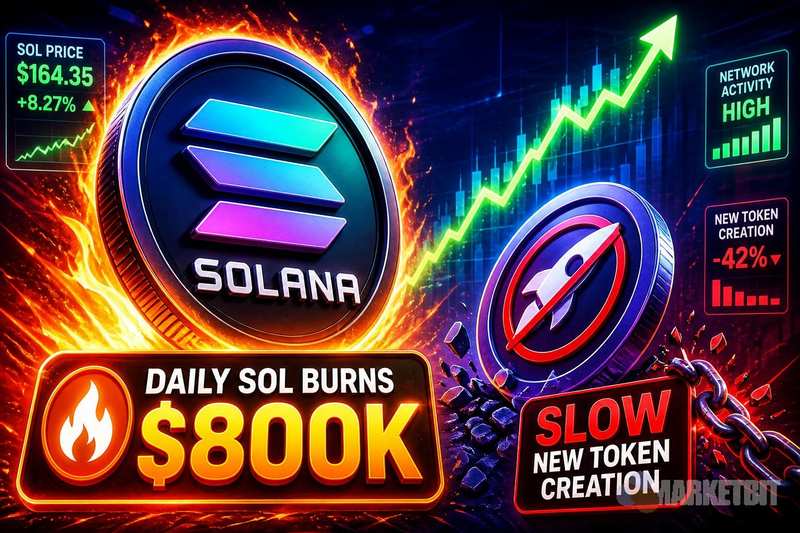
A new Solana governance vote proposes lifting daily SOL burns toward a target of roughly $800,000 while slowing the pace of new token creation, a supply-side change that would make SOL less inflationary if approved by validators.
What the new Solana vote would change
The proposal centers on Solana network economics, pairing a higher dollar-denominated daily burn target with a reduction in token issuance, as first reported by CoinDesk. For related coverage, see Mantra Token Falls 18% to Record Low After Exploit Halts Blockchain.
The burn side of the vote is framed around ramping daily SOL destruction to about $800,000, redirecting value that would otherwise circulate back out of supply. For related coverage, see Bitcoin, Ether and Solana Rise as Short Liquidations Top $1 Billion.
The issuance side would slow, not eliminate, new token creation, tightening the rate at which fresh SOL enters circulation through network inflation. For related coverage, see SEC Token Securities Lifecycle Policy Could Reshape Crypto Projects.
This remains a proposal under consideration rather than a finalized network change. The disinflation mechanics are laid out in SIMD-0550 on the Solana forum, with related fee-burn logic detailed in SIMD-0553.
Why higher burns and lower issuance matter for SOL supply
Burns and issuance move SOL supply in opposite directions. Burning permanently removes tokens from circulation, while issuance mints new SOL as network inflation.
Raising the burn target and cutting issuance together shifts the balance toward fewer net new tokens, making the asset more deflationary or less inflationary over time, per Helius's breakdown of the disinflation proposal.
The actual effect depends on implementation details and network conditions, including transaction volume that feeds the burn mechanism and the final issuance schedule validators approve.
The context matters for a chain where activity is concentrated in high-throughput DeFi and trading, the same environment shaping efforts to restructure Solana block building around competitive MEV auctions.
What the proposal could mean for Solana holders and the broader market
Governance proposals often move sentiment before any on-chain change is enacted, and supply-focused votes tend to reshape how traders discuss scarcity and long-term valuation.
Reduced issuance and higher burns are read differently by different stakeholders; holders weigh scarcity, while validators weigh the inflation rewards that issuance funds.
Community approval and execution details still matter, and the vote's outcome will be tracked through Solana's governance portal before any code ships.
The distinction to hold onto is between proposal impact, expected narrative impact, and confirmed network impact, which only materializes if validators pass the measure and it is implemented. Institutional interest in the asset has been building alongside these debates, visible in the Bitwise Solana staking ETF drawing fresh inflows.
Disclaimer: This article is for informational purposes only and does not constitute financial or investment advice. Cryptocurrency and digital asset markets carry significant risk. Always do your own research before making decisions.
Read original article on marketbit.net