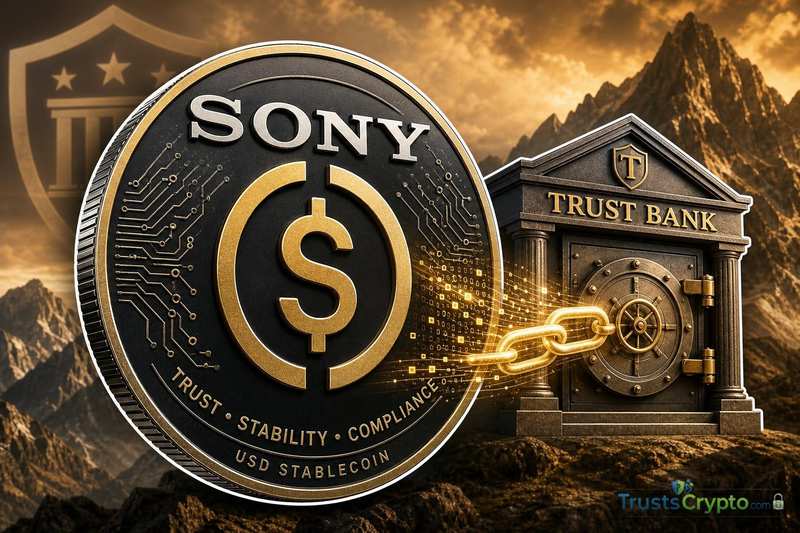
Sony has reportedly secured conditional approval from the U.S. Office of the Comptroller of the Currency to establish a trust bank focused on stablecoin operations, marking the electronics an
Sony has reportedly secured conditional approval from the U.S. Office of the Comptroller of the Currency to establish a trust bank focused on stablecoin operations, marking the electronics and entertainment giant's entry into the regulated U.S. digital-dollar market.
The development, first reported by CoinDesk, positions Sony among a growing number of large corporations pursuing federally regulated stablecoin infrastructure in the United States. The conditional approval applies to an entity referred to as Trust Bank. For related coverage, see Aave Stable Vaults Launch: Predictable Yield.
Conditional approval is not a green light
The word "conditional" carries significant weight. A conditional OCC charter means the agency has found the applicant's proposal viable enough to move forward, but the institution must meet specific requirements before it can begin full operations. These conditions typically involve capital adequacy, risk management frameworks, and compliance systems. For related coverage, see Bybit LBTC Delisting: Earn Exit Explained.
The OCC maintains a public record of its chartering decisions, which serves as the authoritative reference for tracking the status of applications like this one. Until the conditions are satisfied, Trust Bank cannot operate as a fully chartered national trust bank.
This distinction matters because it separates Sony's current position from companies that have already launched stablecoin products. The approval signals regulatory willingness to engage, not a finished product ready for market.
Why a trust bank structure matters for stablecoins
The use of a trust bank framework suggests Sony is pursuing a custody-oriented model rather than a traditional commercial banking approach. Trust banks in the U.S. operate under federal or state charters and are typically authorized to hold and manage assets on behalf of clients.
For stablecoin issuance, a trust structure could allow the entity to hold reserve assets backing the stablecoin, manage redemptions, and operate within a clear regulatory perimeter. This approach has precedent in the digital asset space, where other companies have similarly pursued regulated stablecoin remittance and custody operations, as seen with Hyundai Card's recent stablecoin remittance tests for businesses.
It is important to note that the specific services Trust Bank would offer, whether stablecoin issuance, custody, or reserve management, have not been confirmed in detail at this stage.
What Sony's entry signals for the U.S. stablecoin landscape
Sony is one of the largest consumer technology and entertainment companies in the world. Its move into U.S. stablecoin infrastructure represents a different category of entrant compared to crypto-native firms that have historically dominated the space.
The timing aligns with a broader wave of regulatory engagement in the U.S., where the OCC and other agencies have been processing applications from firms seeking to operate within clear federal guidelines. Other major companies have also been pursuing regulatory approvals across jurisdictions to expand their digital asset offerings.
Whether Sony's conditional approval translates into a competitive stablecoin product depends on execution, final regulatory clearance, and the specific market segment the company targets. The conditional nature of the approval means there is no confirmed timeline for launch.
FAQ: Sony, Trust Bank, and the OCC approval
What does Sony's entry into the U.S. stablecoin market mean?
Sony has received conditional OCC approval to establish Trust Bank, a federally regulated entity that would operate in the stablecoin sector. This is a regulatory milestone, not a product launch.
What does conditional OCC approval typically imply?
It means the OCC has reviewed the application and found it viable, but the applicant must meet outstanding conditions, often related to capital, governance, and compliance, before receiving full authorization to operate.
Has Sony launched a stablecoin?
No. The headline confirms a conditional approval for a trust bank structure. No stablecoin product has been announced or launched as of this reporting.
When will Trust Bank begin operations?
No timeline has been confirmed. The conditional approval process requires the applicant to satisfy the OCC's requirements before receiving a final, unconditional charter.
Disclaimer: This article is for informational purposes only and does not constitute financial or investment advice. Cryptocurrency and digital asset markets carry significant risk. Always do your own research before making any investment decisions.
Read original article on trustscrypto.com