South Africa’s Department of Home Affairs has issued a tender to procure handheld mobile devices equipped with biometric readers that will allow officials to verify a person’s immigration sta
South Africa’s Department of Home Affairs has issued a tender to procure handheld mobile devices equipped with biometric readers that will allow officials to verify a person’s immigration status on the spot, without relying on physical documents.
The devices, part of a new Biometric Case Management System, will enable Home Affairs inspectors to capture a person’s fingerprints and photograph their face in the field and instantly check whether they are in South Africa legally. The department is initially procuring 600 of these devices, with the tender closing on July 24.
The initiative builds on a direction Home Affairs Minister Leon Schreiber signalled in May, when he said handheld devices would allow officials to access the department’s systems remotely and get an immediate response on a person’s immigration status.
“This will increase the arrests on those found to be illegal in the country, as there will be an immediate response on status for contravention with the departmental legislation,” Schreiber said.
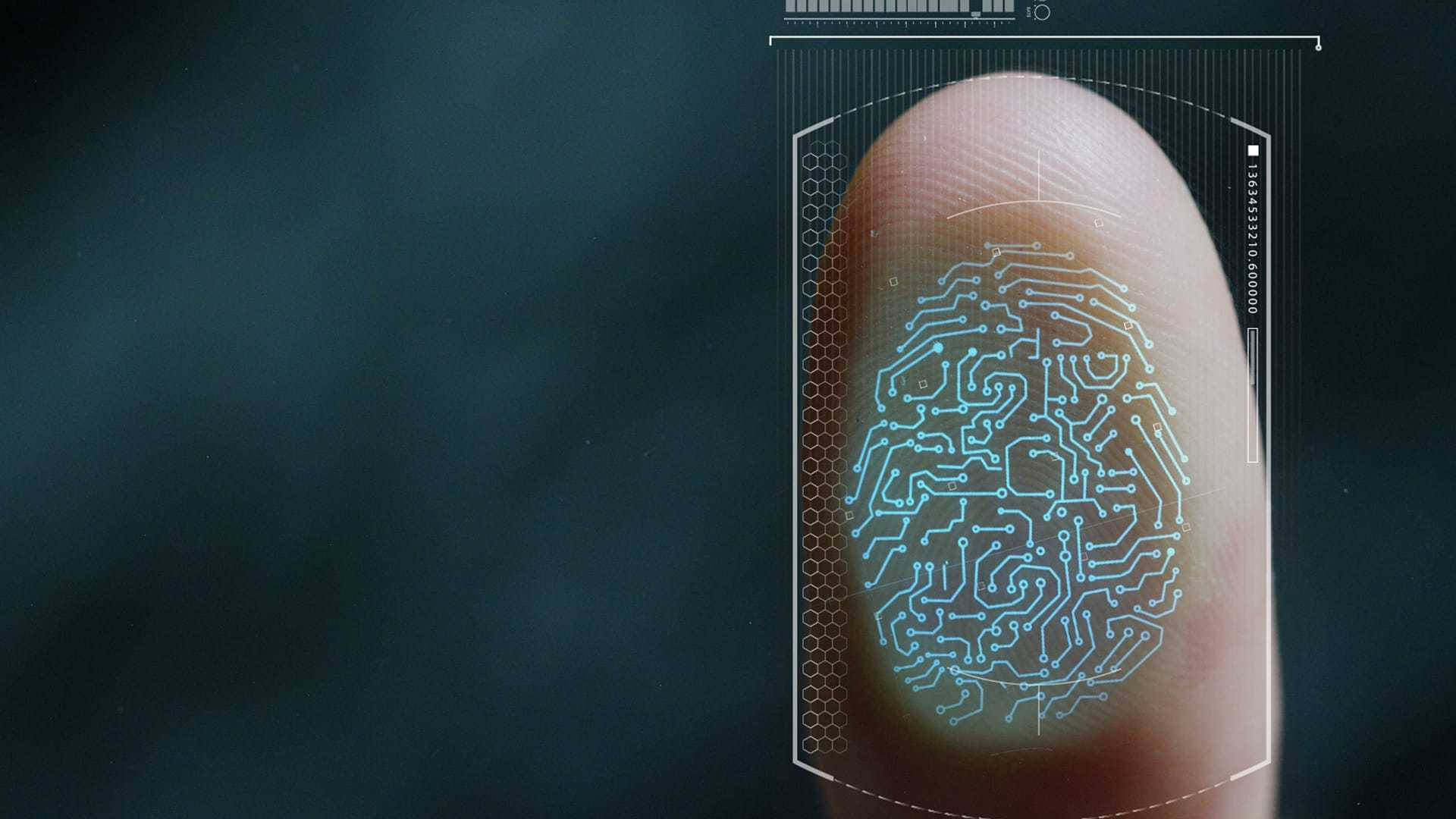
The move comes as the department reports a 46% increase in inland deportations at the start of July, which it attributed to enhanced technological capabilities at the Border Management Authority. South Africa has faced sustained political pressure from anti-immigration groups, and the government has intensified enforcement operations in recent years.
Similar read: FG approves biometric ID system at airports to improve efficiency and security
A pilot of the biometric approach was demonstrated in 2025, when 25 suspected undocumented foreign nationals were arrested in District 6, Cape Town, after officials used biometric scanners to match suspects against Home Affairs records, bypassing the risk of fraudulent documents entirely.
What the biometric verification devices must be able to do
The tender document outlines detailed technical requirements for the devices, giving a clear picture of what Home Affairs expects them to deliver in the field.
Each device must be capable of capturing all ten fingerprints and matching them against the department’s database in real time. Built-in front and rear cameras must produce photographs that meet International Civil Aviation Organisation quality standards, the same standard used for passports. The devices must also be able to scan physical documents and QR codes.
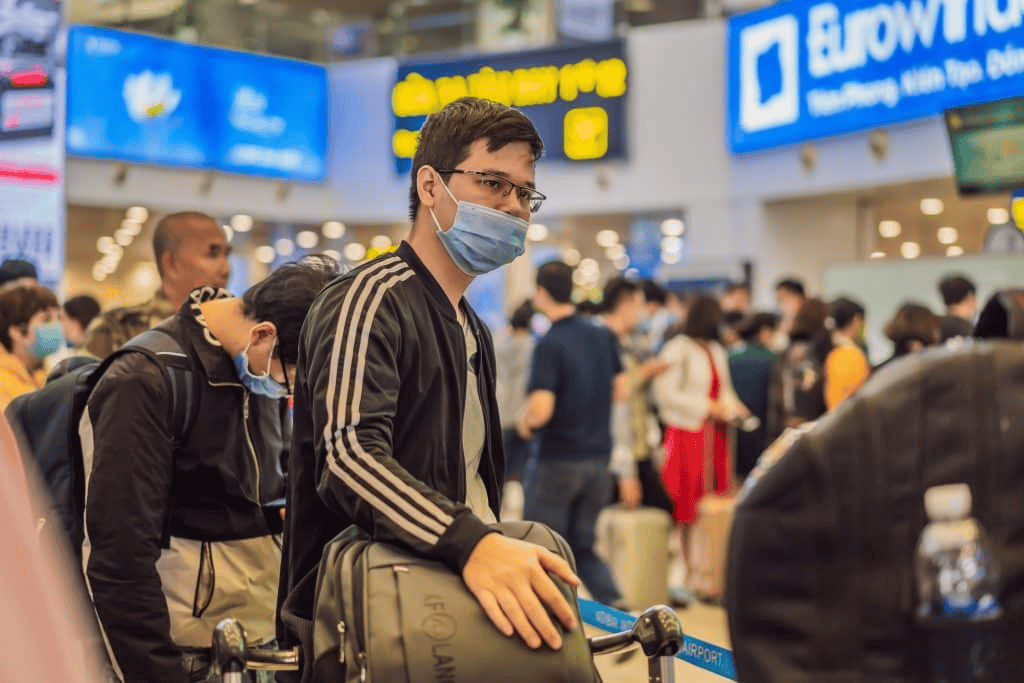
For practical fieldwork, each unit must run on Android 10 or higher, have a minimum display size of 5.5 inches, carry at least 128GB of expandable storage and 8GB of RAM, and maintain a minimum battery life of eight hours. They must be fully rugged and waterproof, built to survive the conditions of outdoor enforcement operations rather than office use.
SIM card and SD card slots are required, with the department responsible for provisioning those cards. Biometrics of newly detected suspects will also be stored in the system, meaning each encounter builds the database for future verification operations.
Also read: OIS Services denies exit from Nigerian visa processing in the US
The contract will run for 36 months with the potential for a two-year extension. Formal appointment and rollout are expected in late 2026.
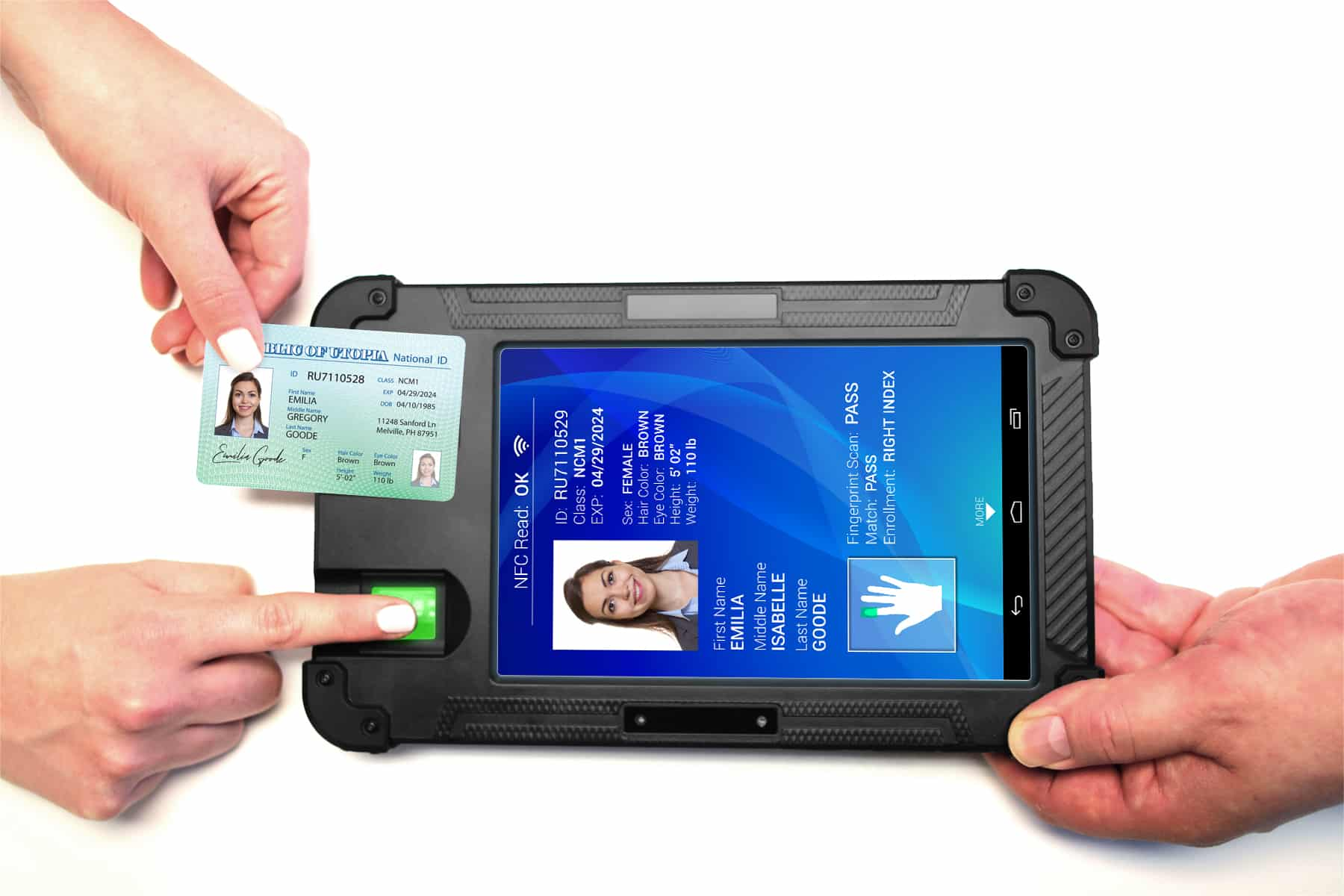
The system addresses a longstanding vulnerability in document-based immigration enforcement, fraudulent paperwork. By matching a person’s biometrics directly against Home Affairs records rather than relying on a card or passport that could be forged, the department removes one of the most commonly exploited gaps in the current process.