South Korea's Financial Intelligence Unit has moved to block access to 27 websites linked to unregistered cryptocurrency exchanges, the latest enforcement step by Seoul regulators targeting p
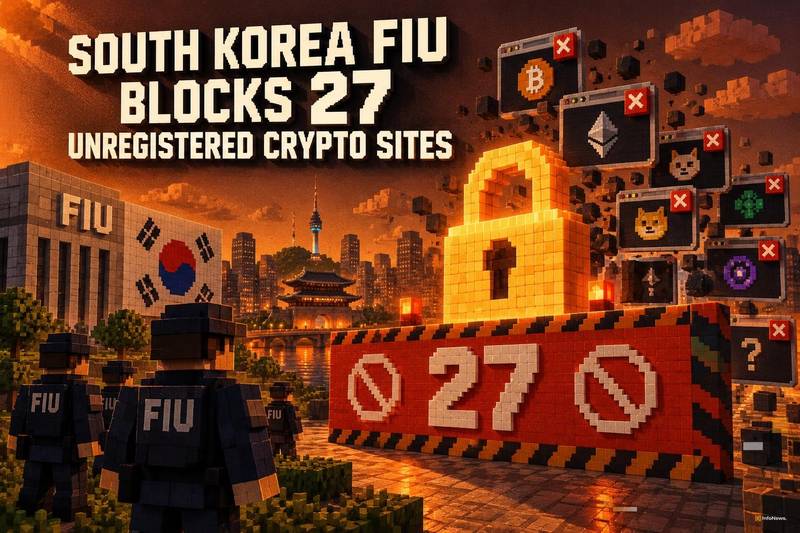
South Korea's Financial Intelligence Unit has moved to block access to 27 websites linked to unregistered cryptocurrency exchanges, the latest enforcement step by Seoul regulators targeting platforms that operate outside the country's mandatory registration framework for virtual asset service providers.
FIU Orders 27 Exchange Websites Blocked
The Financial Intelligence Unit, the anti-money-laundering body operating under South Korea's Financial Services Commission, identified 27 websites associated with crypto exchanges that have not completed the registration process required under the Act on Reporting and Using Specified Financial Transaction Information. The website blocks restrict public access to those exchange domains within South Korea. For related coverage, see South Korea Blocks 14 Crypto Exchange Apps on Apple Store.
This action follows a broader pattern of pressure on unregistered platforms. Earlier this year, South Korea blocked 14 crypto exchange apps on the Apple Store as part of similar enforcement against non-compliant operators. The FIU's authority to target these platforms at the distribution and access layer, rather than waiting for criminal referrals, has been a key feature of Seoul's compliance strategy. For related coverage, see Jeonbuk Bank Accepts Bitcoin as Loan Collateral in South Korea.
South Korean lawmakers have also been working to expand the FIU's investigative reach. A bill filed in the National Assembly would allow the FIU to directly probe unregistered crypto firms, signaling legislative intent to close enforcement gaps that website blocking alone cannot address.
What Registration Requires and Why It Matters
Under South Korea's framework, crypto exchanges must register with the FIU, meet real-name account requirements through a partnership with a licensed bank, and maintain information security certifications. Platforms that skip this process fall outside anti-money-laundering supervision, leaving users without the protections that come with regulated status.
A website block is an access restriction, not a criminal finding. It prevents users from reaching the exchange's domain through standard internet connections in South Korea, but it does not confirm that accounts, assets, or withdrawal functions on those platforms have been frozen. Users with existing positions on any affected platform should seek confirmed information directly from the exchange rather than inferring enforcement details from the block alone.
For context on how the registered exchange sector is performing, South Korean crypto exchange profits fell 78% in H1 2026, a contraction that puts further competitive pressure on compliant operators while unregistered competitors continue to attract volume outside regulatory oversight.
What Users Should Know
Anyone using or considering an exchange accessible in South Korea should verify the platform's registration status with the FIU before depositing funds. The FIU maintains a public list of registered virtual asset service providers. Unregistered status does not automatically mean fraud, but it does mean the platform operates without anti-money-laundering supervision and without the bank partnership required for Korea's real-name account system.
Account access, withdrawal processing, and any follow-on enforcement actions against the 27 blocked platforms have not been confirmed in the available reporting. Those details require verified official communications from the FIU or the affected exchanges.
South Korea's crypto market remains one of the most active in Asia. A 2026 profile of Korea's crypto market details the structural factors, including retail participation rates and the premium pricing often seen on Korean exchanges, that make registration enforcement consequential for global operators seeking access to Korean liquidity.
For Bitcoin specifically, regulatory tightening in high-volume retail markets historically compresses trading volumes on affected platforms in the short term while pushing activity toward compliant venues. Whether the 27 blocked sites represent meaningful Bitcoin liquidity or are primarily altcoin-focused platforms has not been confirmed in available reporting.
Additional source references: source document 1, source document 2.
Disclaimer: This article is for informational purposes only and does not constitute financial or investment advice. Cryptocurrency and digital asset markets carry significant risk. Always do your own research before making decisions.
Bitcoininfonews first published the article titled South Korea FIU Blocks 27 Unregistered Crypto Sites.