A long-delayed levy gets a firm start date South Korea's cryptocurrency investors are facing a firm deadline. After three postponements since its original 2022 start date, the government has
A long-delayed levy gets a firm start date
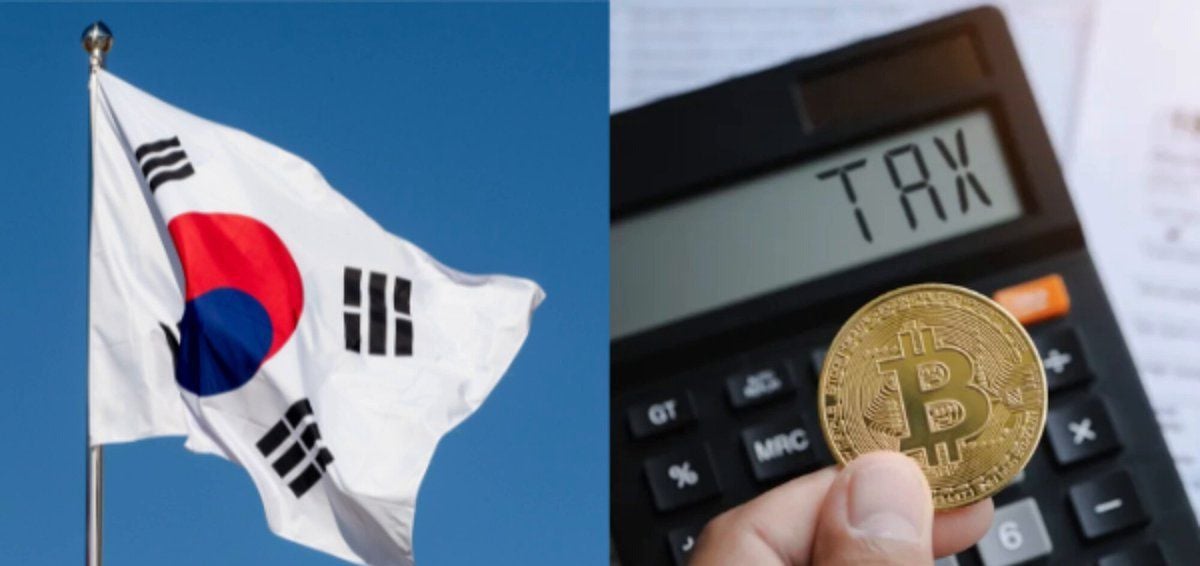
South Korea's cryptocurrency investors are facing a firm deadline. After three postponements since its original 2022 start date, the government has confirmed it will begin taxing crypto gains on January 1, 2027, with no intention of another delay.
Deputy Prime Minister and Finance Minister Koo Yun-cheol made the commitment during a plenary session of the National Assembly's Strategy and Finance Committee on July 29. CoinDesk and the Seoul Economic Daily both reported his remarks directly.
Under the framework, crypto income from transferring or lending digital assets will be classified as "other income" rather than capital gains. Investors receive an annual deduction of 2.5 million won (roughly $1,740), with any gains above that threshold subject to a 20% national tax rate, rising to 22% when local income tax is included. First tax filings are due in May 2028, covering the 2027 tax year. The measure was first scheduled for January 2022, pushed to 2025, and then pushed again to 2027 through a December 2024 legislative amendment.
Loss carryforwards and capital flight risks
The framework has drawn sharp criticism from lawmakers and industry participants. A central complaint is that investors cannot carry forward losses from one year to offset taxable gains in a later year, a provision standard in most capital-gains regimes. Opposition People Power Party lawmaker Kim Sang-hoon warned the design could encourage traders to move activity away from domestic exchanges such as @Official_Upbit and @BithumbOfficial toward offshore centralized platforms and DeFi markets.
Koo acknowledged the concern, saying any shift to a capital-gains model that allows loss offsets would require a comprehensive review of South Korea's entire capital market tax structure, not just its digital asset rules. He indicated any such reform would come after the system is live and operational data is available.
A further complication is a repeal bill introduced in March 2026, which would remove crypto income from the Income Tax Act entirely. That bill was referred to a subcommittee on the same day Koo reaffirmed the January 2027 launch, leaving open the possibility that lawmakers could yet block or further delay the measure before year-end. Koo's position, however, is clear: another delay is not the plan.
SourcesCoinDesk: South Korea's long-delayed crypto tax set to start in 2027Seoul Economic Daily: Korea to tax crypto assets next year, Deputy PM Koo saysCrypto Times: South Korea confirms 22% crypto gains tax will take effect in 2027