South Korea’s GOPAX Suspends Trading and Withdrawals…
South Korean cryptocurrency exchange GOPAX suspended deposits, standard withdrawals and trading on November 6 after receiving an email threatening a potential hacking attack. The exchange sai
A
AnonymousCryptoCompass newsroom
November 6, 2026
4 min read
NEWS
Hero article visual / chart / editorial image
CryptoCompass editorial visual for policy coverage.
South Korean cryptocurrency exchange GOPAX suspended deposits, standard withdrawals and trading on November 6 after receiving an email threatening a potential hacking attack. The exchange said no intrusion or attempted theft had been identified, describing the shutdown as a precautionary measure to protect customer assets while it transfers cryptocurrency holdings into offline storage. GOPAX halted cryptocurrency deposits and standard withdrawals at 2:55 p.m. South Korean time (05:55 UTC), according to its official notices. Trading services were suspended at 3:53 p.m. (06:53 UTC), with all outstanding unfilled orders canceled. The decision followed a threatening email from an individual claiming to be a hacker. A GOPAX representative told local media that no actual hacking incident or attempted theft had occurred at the time of the suspension.
Why Did GOPAX Suspend Its Services?
The exchange received an email threatening a hacking incident, although it had not verified the authenticity of the sender's claims. GOPAX nevertheless decided to restrict normal operations and prioritize customer asset protection rather than wait for evidence of an attack. The exchange said it would transfer its cryptocurrency holdings into cold wallets, which are disconnected from the internet. Assets previously held in online hot wallets are also being moved as part of the security response. The suspension comes during a period of heightened cybersecurity scrutiny across South Korea's financial sector. In October, the Financial Services Commission identified GOPAX operator Streami and crypto exchange Prabang among 16 financial companies involved in security incidents. The regulator's broader review of 555 financial companies also identified cybersecurity deficiencies at 130 institutions. GOPAX's latest measures therefore come against a background of increasing regulatory pressure on financial institutions to strengthen access controls, monitoring systems and customer asset protection. The exchange has not established any connection between the threatening email and the earlier incidents.
Investor Takeaway
No customer asset theft has been confirmed, but the shutdown demonstrates how an unverified security threat can interrupt exchange operations and restrict access to funds.
Can GOPAX Customers Still Withdraw Their Assets?
Although standard withdrawals through the GOPAX website and mobile application have been suspended, customers can still submit withdrawal requests through the exchange's customer support center. However, these requests require separate verification and approval procedures, potentially delaying access to funds. GOPAX has not announced a timetable for restoring normal deposits, withdrawals or trading. The suspension also affects transfers from other domestic exchanges. Coinone issued a warning on November 6 advising customers against sending cryptocurrency to GOPAX because incoming transfers might not be credited normally. The exchange said it would continue monitoring the situation and could adjust its withdrawal support depending on developments. The distinction between suspended standard withdrawals and completely inaccessible customer assets is important. GOPAX has maintained an alternative withdrawal-request channel, but customers remain dependent on manual processing while normal services are unavailable.
Investor Takeaway
Manual withdrawal requests provide an alternative route for customers, but the absence of a restoration schedule creates uncertainty around liquidity and access to funds.
Why Is South Korea Increasing Cold-Wallet Requirements?
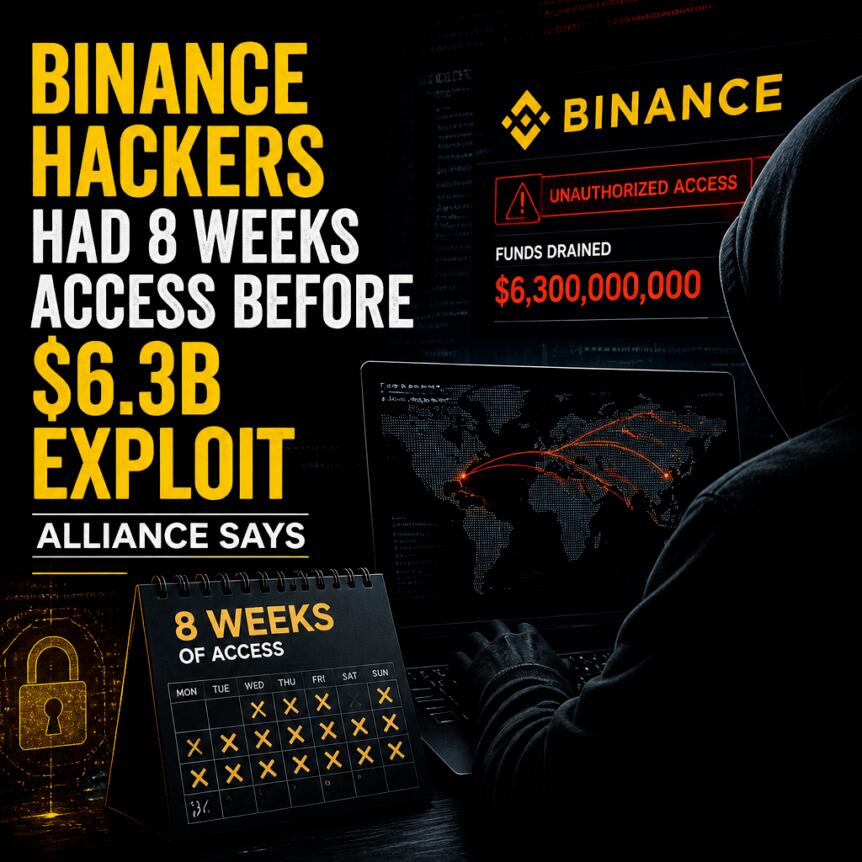
GOPAX's decision follows a November 2 meeting in which South Korea's Financial Services Commission urged domestic cryptocurrency exchanges to increase the proportion of customer assets held in cold storage following the $6.3 billion Binance hot-wallet theft. The regulator also requested continuous monitoring of deposits and withdrawals, additional incident-response personnel, faster reporting of unusual access attempts and increased reserves to address potential security incidents. South Korean exchanges are already required to maintain at least 80% of customer cryptocurrency assets in offline storage under the Virtual Asset User Protection Act. However, Financial Supervisory Service figures for the end of September showed that GOPAX held 80.54% of customer assets in cold wallets, only slightly above the regulatory minimum. That figure places GOPAX closer to the statutory floor than its larger domestic competitors. Upbit reported a 99.17% cold-wallet ratio, Bithumb 94.76% and Coinone 85% during the same reporting period. The latest shutdown could therefore result in a more conservative custody arrangement, although GOPAX has not disclosed its intended final cold-wallet ratio or how long the migration will take. Other South Korean exchanges have also faced security problems. Prabang suspended services after detecting abnormal withdrawals from its hot wallet on October 24, reporting estimated losses of 100 million won, approximately $70,000. The company said it would compensate affected customers using its own funds. For GOPAX, the immediate priority is completing the asset migration and establishing that its wallets and security infrastructure are safe before reopening normal services. The incident has not yet produced evidence of a successful attack, but the length of the suspension and the exchange's ability to restore ordinary withdrawals will determine its immediate operational and customer impact.
Summary A federal judge barred Kalshi from offering sports prediction contracts on two California tribal lands following a major legal dispute. The Ninth Circuit supported tribal gaming claim
Security Alliance (SEAL), a non-profit cybersecurity organization, says the North Korea-linked threat actor TraderTraitor likely obtained access to Binance’s systems in September—roughly eigh
The Central Bank of Nigeria (CBN) has introduced a stringent requirement for peer-to-peer (P2P) cryptocurrency transactions on platform-based services. According to Section 10.3.3 of its Nove