African electric mobility company Spiro has raised $215 million in a new equity round backed by Impact Fund Denmark and Equitane, in what is one of the largest single raises for an electric v
African electric mobility company Spiro has raised $215 million in a new equity round backed by Impact Fund Denmark and Equitane, in what is one of the largest single raises for an electric vehicle infrastructure company on the continent.
The funding will be used to expand Spiro’s battery-swapping network, strengthen its manufacturing and assembly footprint, accelerate technology development, and push into new markets. The company has identified the Democratic Republic of Congo and Ethiopia as its next targets, adding to its current operations across seven African markets: Kenya, Rwanda, Uganda, Togo, Benin, Nigeria, and Cameroon.
The raise comes just months after Spiro closed a $50 million round led by Afreximbank and a $100 million round last October. This brings its total funding to over $365 million across the three rounds. Each injection has been followed by measurable expansion, and this latest raise is its largest yet.
Spiro currently has more than 100,000 electric motorcycles on the road, over 2,500 battery-swapping stations, and has completed more than 30 million battery swaps to date. Its industrial footprint includes manufacturing plants in Kenya, Rwanda, and Uganda, alongside a battery recycling facility in Nigeria.
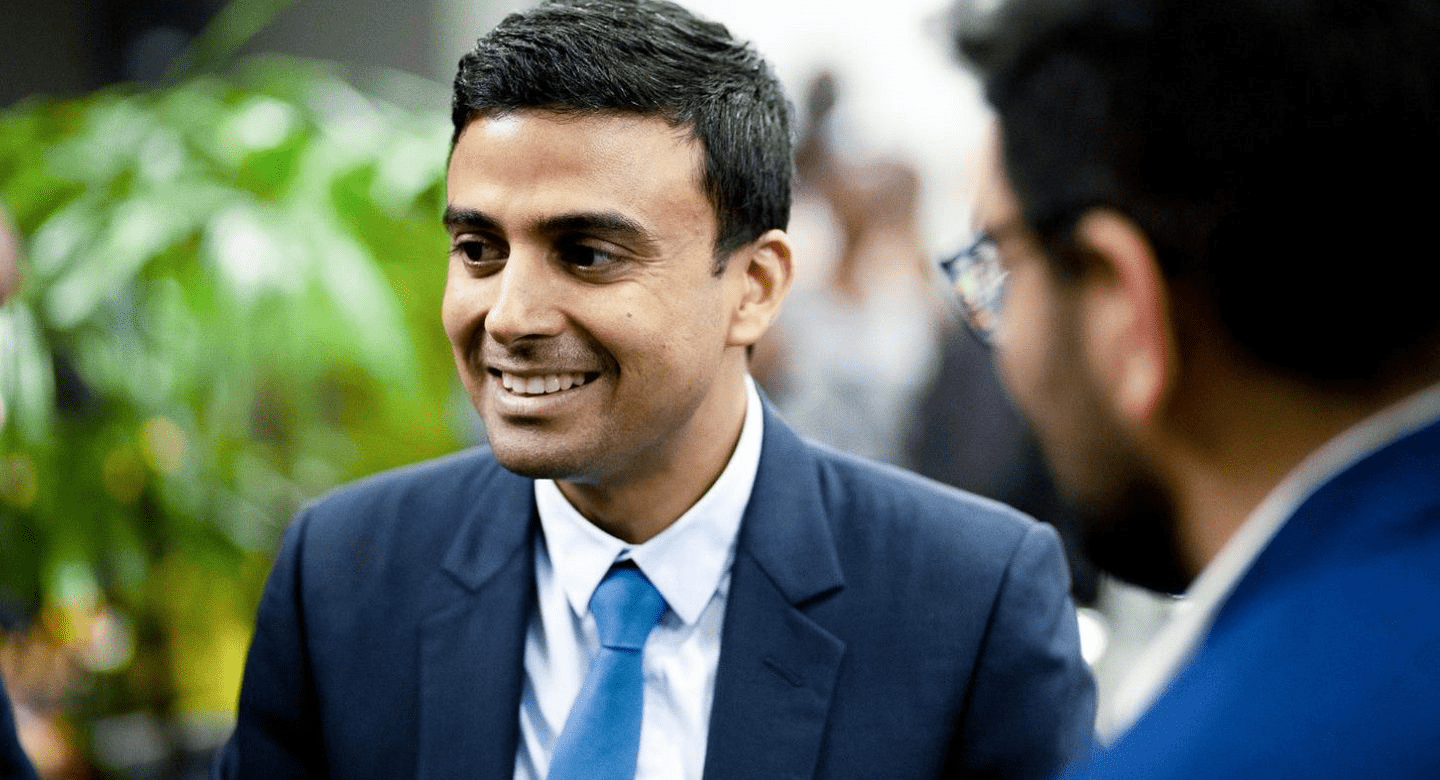
Gagan Gupta, Spiro’s founder and chairman of Equitane
The company employs 6,000 people directly and indirectly across its markets.
For the motorcycle taxi operators and delivery workers who use the platform and rely on their bikes for income, the financial benefits are significant. Spiro reports that using one of its electric vehicles can cut daily transportation costs by up to 40%. This translates to a saving of as much as $2 per day compared to gasoline-powered motorcycles. While this might seem like a small amount, for individuals earning $5 to $10 daily, it makes a huge difference.
Gagan Gupta, Spiro’s founder and chairman of Equitane, said the company has moved past the demonstration phase.
“Our deployment of 100,000 electric vehicles and 2,500 smart-swap stations has turned sustainable mobility into an affordable, everyday reality,” he said. “We are entering our next growth chapter to deliver clean, cost-effective energy and transport alternatives to millions of riders across the continent.”
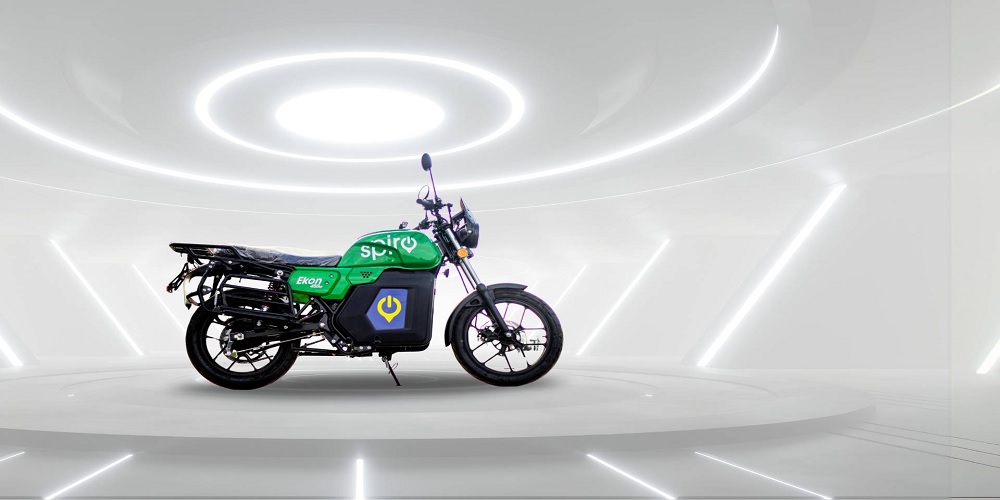
Spiro motorbike
Lars Bo Bertram, CEO of Impact Fund Denmark, said the investment reflects both commercial and climate conviction. “We see potential for significant commercial growth in Spiro and electric mobility across Africa, as well as measurable climate impact. That is exactly the type of investment we want to make.”
The environmental numbers back the investment case for Spiro
A third-party lifecycle assessment of Spiro’s Kenya operations found that its electric bikes deliver a 72% reduction in climate impact compared to fossil-fuel motorcycles, equivalent to approximately 19 tonnes of CO₂ avoided over each vehicle’s lifespan.
The study also found an 80% reduction in ozone depletion potential and a 20% reduction in particulate matter, a meaningful public health benefit in cities already struggling with poor air quality.
Beyond mobility, Spiro is building toward becoming a distributed clean-energy utility. Its swap stations are IoT-enabled and solar-powered, and the company is developing secondary-life battery applications for stationary renewable energy storage.

A motorbike taxi driver with a Spiro Electric Bike in Kigali
With 150 engineers and over 30 proprietary patents, the infrastructure it is building has applications well beyond transporting people from one place to another.
The company’s R&D centre and growing patent portfolio suggest it is not simply deploying imported technology; it is building its own, designed for African conditions, with the ambition of eventually exporting to the world.
Similar read: Spiro hits 95,000 e-motorcycles in circulation, launches in Cameroon