The Strait of Hormuz risk premium is the extra price markets assign to oil, petroleum products, and LNG to reflect the probability and potential severity of disruption at the world’s most cri
The Strait of Hormuz risk premium is the extra price markets assign to oil, petroleum products, and LNG to reflect the probability and potential severity of disruption at the world’s most critical energy chokepoint. It shows up as higher spot and futures prices, wider time-spreads, pricier freight, and additional insurance costs relative to a no-risk baseline.
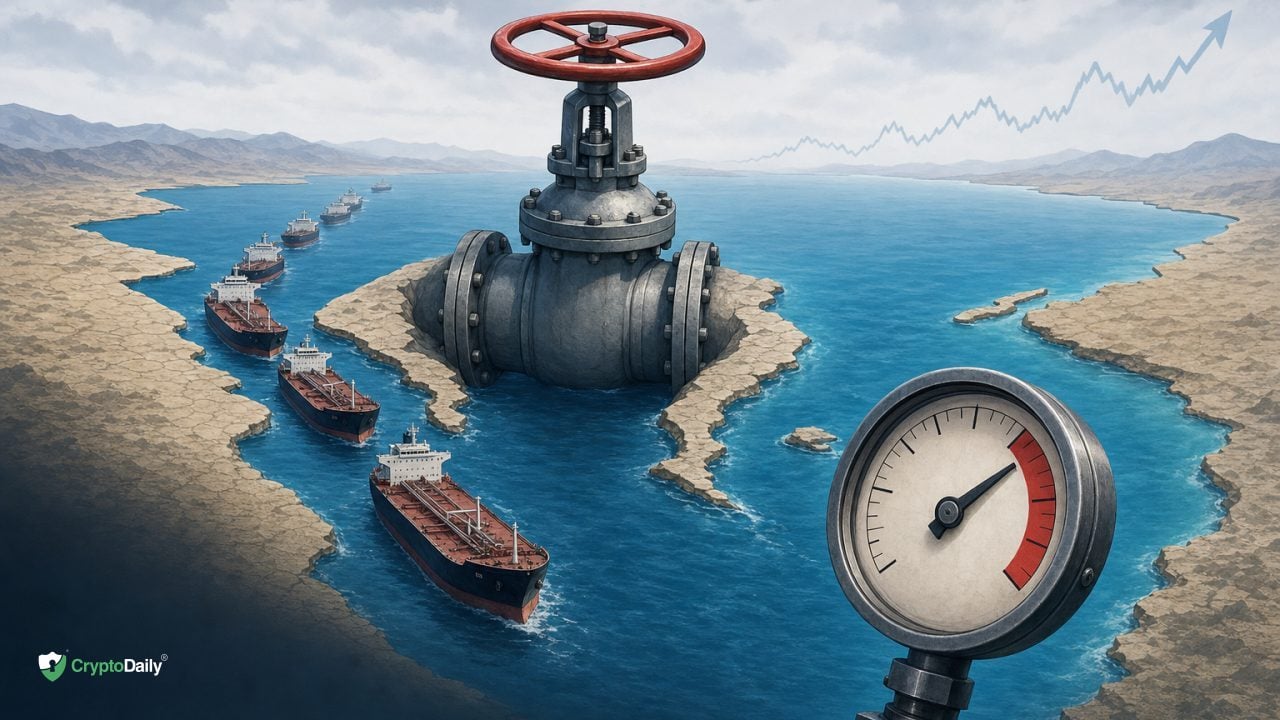
Its practical relevance is immediate. Roughly 20 million barrels per day of crude oil and petroleum products transited Hormuz in 2024, a material share of global seaborne flows. The waterway narrows to about 22 nautical miles at its tightest point, so even a partial slowdown can tighten supply quickly and reprice risk across energy and shipping markets, as documented by the Congressional Research Service.
Economists separate oil price moves into three drivers: supply shocks, global demand shocks, and precautionary demand tied to uncertainty. Chokepoint tensions primarily raise the precautionary component. Buyers and traders value physical barrels and delivery assurance more highly, pushing prices above levels implied by current supply and consumption. This framework traces back to Lutz Kilian’s decomposition of oil shocks, which shows how geopolitical uncertainty can lift prices even without an immediate loss of barrels (AER, 2009).
Modern policy research models this geopolitical component explicitly. The Federal Reserve Bank of Dallas finds that “geopolitical oil price risk” raises volatility and the oil risk premium through the uncertainty channel, with measurable macroeconomic costs (Dallas Fed, 2024). In practice, that premium appears in prompt crude benchmarks, refined product cracks, LNG swaps, freight rates, and insurance quotes.
Why bypassing Hormuz is hard
Most Gulf exports load inside the Persian Gulf, so they must pass Hormuz to reach the open ocean. Only a handful of pipelines and terminals can reroute volumes. Saudi Arabia’s East–West system and the United Arab Emirates’ connections to Fujairah offer partial bypass capacity, and some spare capacity exists, but it covers only a minority of flows and usually entails extra cost and delay. The U.S. Energy Information Administration describes Hormuz as the world’s most important oil transit chokepoint and details these constraints (EIA analysis).
Because rerouting options are narrow, any perceived increase in transit risk quickly feeds into delivered costs, schedule uncertainty, and inventory decisions. That scarcity of substitutes is central to the size and persistence of the Hormuz premium.
Shipping and insurance transmit fear into costs
Insurance is the first lever to move. After attacks or escalations near Hormuz, war-risk underwriters and P&I clubs expand listed risk areas and impose additional premiums. Industry reporting shows owners facing extra charges from tens of thousands to hundreds of thousands of dollars per transit, and in extreme cases quotes up to around 0.8% of a ship’s hull value for a single voyage (Lloyd’s List).
Those higher or withdrawn insurance terms change who will lift cargoes and at what rate. Charterers may switch to different flags, routes, or load programs; owners demand higher time charter equivalents; and some voyages are deferred. These adjustments lift the delivered cost of energy and embed a risk premium in freight markets and, by extension, in the commodity prices tied to delivered barrels and molecules.
How analysts measure and model the premium
Agencies and market shops monitor AIS ship-tracking data to quantify flows through Hormuz and test closure scenarios. The Oxford Institute for Energy Studies finds that a short interruption produces limited long-run price changes, while a prolonged closure lasting months can push LNG and gas benchmark prices far higher and materially damage global supply and inventories. Duration, not just the incident count, is pivotal for the premium’s size (Oxford Institute for Energy Studies).
For historical context and volumes, the EIA aggregates tanker tracking and analytics on flows through the strait, highlighting its centrality to seaborne crude, condensate, and products. The U.S. EIA’s materials support the scale context that underpins why markets price Hormuz risk notably even during calm periods (EIA Today in Energy).
Who prices this premium and where it shows up
Different market participants carry different slices of the premium:
- Producers and refiners adjust official selling prices and refinery runs to reflect delivery risk and replacement costs.
- Physical traders and hedgers reprice prompt barrels relative to future barrels, often visible in time-spreads.
- Freight markets re-rate tanker day rates and freight futures when insurance and routing risks shift.
- Underwriters set war-risk add-ons and coverage terms that directly affect voyage economics.
- LNG buyers and sellers adjust forward differentials and optionality value when shipping risk rises.
Cross-asset investors also translate higher energy and freight costs into macro expectations, which can influence currencies of importers and exporters, inflation breakevens, and risk appetite in broader markets.
A step-by-step repricing sequence after an incident
- Incident and headlines: A seizure, attack, or credible threat near Hormuz raises perceived transit risk. The chokepoint’s narrowness and traffic density increase concern (CRS).
- Insurance reset: Underwriters expand listed areas and raise war-risk premiums, in some cases to six-figure dollar amounts per transit or a fraction of hull value (Lloyd’s List).
- Freight repricing: Owners demand higher rates or decline stems; charterers adjust itineraries and seek alternative tonnage. Delivered costs rise.
- Commodity risk premium: Precautionary demand increases. Prompt crude and product prices, and sometimes LNG differentials, move higher relative to deferred deliveries, consistent with the precautionary channel identified in the literature (Kilian; Dallas Fed).
- Operational workarounds: Some flows reroute via pipelines to Fujairah or across Saudi Arabia’s East–West system, but bypass capacity is limited and costlier than the normal route (EIA).
- Scenario monitoring: Analysts watch AIS data for actual slowdowns. If the disruption proves short, models suggest limited long-run price impact; if prolonged, the premium grows, with LNG and gas benchmarks particularly exposed (Oxford Institute for Energy Studies).
Short versus prolonged disruption: how outcomes differ
Scenario Expected market response Short interruption (days to a few weeks) Premia widen, especially in prompt oil and freight. Inventory and scheduling buffers absorb much of the shock. Long-run price effects are limited, per scenario analysis (Oxford Institute for Energy Studies). Prolonged closure (months) Bypass capacity proves insufficient; premia persist and broaden. LNG and gas benchmarks face outsized pressure, with material impacts on global supply and inventories, according to modeling (Oxford Institute for Energy Studies).
In both cases, insurers and shippers act as shock transmitters. As highlighted by major shipping risk reviews, chokepoint incidents expose vulnerabilities that extend beyond direct damage: slower flows, rerouting, higher insurance, and inventory draws that filter through to energy prices and broader supply chains (Allianz Safety & Shipping Review).
EIA chart showing annual volumes of crude oil/condensate and products transiting the Strait of Hormuz (data source: EIA analysis based on Vortexa tanker tracking and FACTS Global Energy). — Source: U.S. Energy Information Administration — chart: Annual volumes of crude oil, condensate and petroleum products transported through the Strait of Hormuz (2018–1H23)
Limits, risks, and common misconceptions
- Not every headline is a supply shock. The premium often reflects precautionary demand and logistics risk rather than lost barrels. Kilian’s framework cautions against mislabeling uncertainty-driven moves as pure supply hits (AER, 2009).
- Bypass options exist but cannot replace most flows. Saudi and UAE pipelines help, yet capacity and routing constraints mean a minority of volumes can avoid Hormuz, usually at added cost and delay (EIA).
- Premiums can fade quickly. If incidents resolve and traffic normalizes, insurance terms and time-spreads can retrace as precautionary demand ebbs.
- Duration dominates magnitude. Short interruptions tend to have limited long-run effects, while months-long closures materially stress LNG and gas markets and deplete inventories (Oxford Institute for Energy Studies).
- Supply chain impacts extend beyond energy. Chokepoint disruptions ripple into freight availability, insurance capacity, and input costs across sectors, as highlighted by shipping risk assessments (Allianz).
When you will encounter a Hormuz premium
Expect a visible Hormuz premium when credible threats emerge near the strait, when insurers reclassify risk areas, or when AIS data indicate slower transits. You will see it first in war-risk insurance quotes and tanker freight, and then in prompt crude and product time-spreads. If tensions persist, LNG forwards and gas benchmarks tend to reflect the strain on shipping and inventories.
Energy buyers, treasury teams, and traders encounter this premium in contract negotiations, hedging programs, and delivery planning. Macro investors monitor it for its knock-on effects on inflation, importer currencies, and risk sentiment. Because bypass options are limited and the chokepoint is narrow and crowded, even modest disturbances can justify a measurable, if sometimes temporary, repricing.
Frequently Asked Questions
How important is the Strait of Hormuz to global oil flows?
In 2024, roughly 20 million barrels per day of crude oil and petroleum products transited Hormuz, a material share of global seaborne flows. The strait narrows to about 22 nautical miles, which makes it a critical transit point (CRS).
Can producers bypass Hormuz if tensions rise?
Only partially. Saudi Arabia’s East–West pipeline and the UAE’s connections to Fujairah offer alternatives, and limited unused capacity exists. But most Gulf exports still pass through Hormuz, and rerouting often adds cost and delay (EIA).
Why do prices rise even if no barrels are lost?
Markets pay for certainty. Geopolitical risk increases precautionary demand for secure, prompt delivery, lifting spot prices and time-spreads above levels implied by current supply and use. Research documents this uncertainty channel in oil pricing (Kilian; Dallas Fed).
How do war-risk insurance changes affect delivered costs?
When underwriters expand listed areas or increase premia, owners face extra charges that can run to tens of thousands or hundreds of thousands of dollars per transit, with extreme quotes near 0.8% of hull value for single voyages. Those costs flow into freight rates and delivered prices (Lloyd’s List).
Does the duration of disruption change the premium’s impact?
Yes. Scenario work indicates that brief interruptions have limited long-run effects, but a closure lasting months can drive LNG and gas prices far higher and strain global inventories, amplifying the premium (Oxford Institute for Energy Studies).
Disclaimer: This article is provided for informational purposes only. It is not offered or intended to be used as legal, tax, investment, financial, or other advice.