The Sui blockchain experienced a block production halt on May 28, 2026, bringing transactions across the network to a standstill and raising fresh questions about the Layer 1 chain's operatio
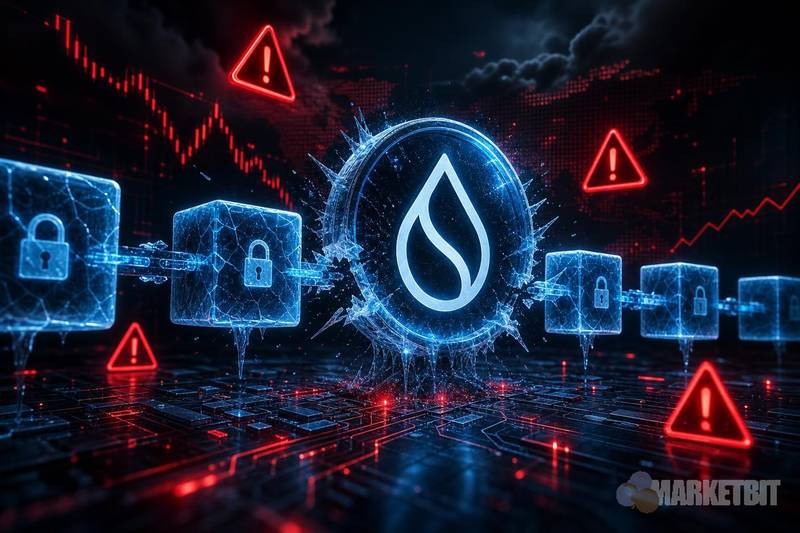
The Sui blockchain experienced a block production halt on May 28, 2026, bringing transactions across the network to a standstill and raising fresh questions about the Layer 1 chain's operational resilience.
The outage was confirmed through Sui's official status page, which logged the incident as a disruption to block production on mainnet. During the halt, users were unable to send transactions, and on-chain activity visible through Suiscan's mainnet explorer showed stalled block progression.
A block production halt means the network's validators stop agreeing on and finalizing new blocks. Unlike a single node going offline, a full halt indicates a breakdown in the consensus process itself, preventing any new transactions from being recorded or settled.
WHAT TO KNOW
- The halt: Sui mainnet stopped producing blocks on May 28, freezing all on-chain activity.
- User impact: Transfers, smart contract calls, and DeFi operations were unavailable during the outage.
- Status: The Sui team acknowledged the incident through official channels and the network's status page.
This is not the first time Sui has faced such a disruption. CoinDesk reported the event as "another network outage," indicating a pattern of reliability concerns for the chain.
It is important to distinguish this kind of consensus-level halt from exchange-specific issues. When a centralized exchange pauses SUI deposits or withdrawals, the blockchain itself may still be operational. In this case, the problem was at the protocol layer, affecting all users, wallets, and applications simultaneously.
What the Halt Means for Users, Validators, and Apps on Sui
During a block production halt, any pending transactions remain unconfirmed. For traders, this means transfers to and from exchanges cannot settle. For DeFi users, positions in lending protocols or liquidity pools cannot be adjusted, creating potential risk if market conditions shift while the chain is frozen.
Validators and node operators become the central actors during recovery. Restoring block production typically requires coordinated action among a sufficient number of validators to restart consensus. The speed of recovery depends on how quickly the root cause is identified and how effectively the validator set can coordinate a fix.
Projects building on Sui, including NFT marketplaces, decentralized exchanges, and gaming applications, face a complete operational pause during downtime. While the broader crypto market continues to evolve, with developments like VanEck's recent spot BNB ETF launch and Ripple's push into the tokenization market highlighting growing institutional interest in alternative Layer 1 ecosystems, repeated outages risk pushing developers and users toward competing chains.
Exchange operators typically pause SUI-related deposits and withdrawals independently when they detect on-chain issues. Users should verify both the network's status and their exchange's specific policies before assuming funds are accessible.
What Traders and the SUI Ecosystem Should Watch Next
The clearest signal of recovery is a return to consistent block production on Sui's status page and visible new blocks on the mainnet explorer. A brief resumption followed by another stall would indicate the underlying issue has not been fully resolved.
Repeated outages raise questions about network decentralization and validator infrastructure. As institutional capital increasingly flows into crypto, with firms like Strive Asset Management building significant digital asset treasuries, reliability becomes a baseline expectation for any chain seeking serious adoption.
The Sui team's next steps should include a detailed post-mortem explaining the root cause and what changes will prevent recurrence. Whether the incident triggers lasting damage to ecosystem confidence or is absorbed as a growing pain will depend on the transparency and speed of that response.
Disclaimer: This article is for informational purposes only and does not constitute financial or investment advice. Cryptocurrency and digital asset markets carry significant risk. Always do your own research before making decisions.
Read original article on marketbit.net